
Catadioptric telescopes
Not sure which telescope suits you? We are stargazers ourselves and happy to help.
Send us a WhatsApp messageWe reply on weekdays between 9:00 and 17:00.
Showing 41–60 of 71 resultsSorted by popularity
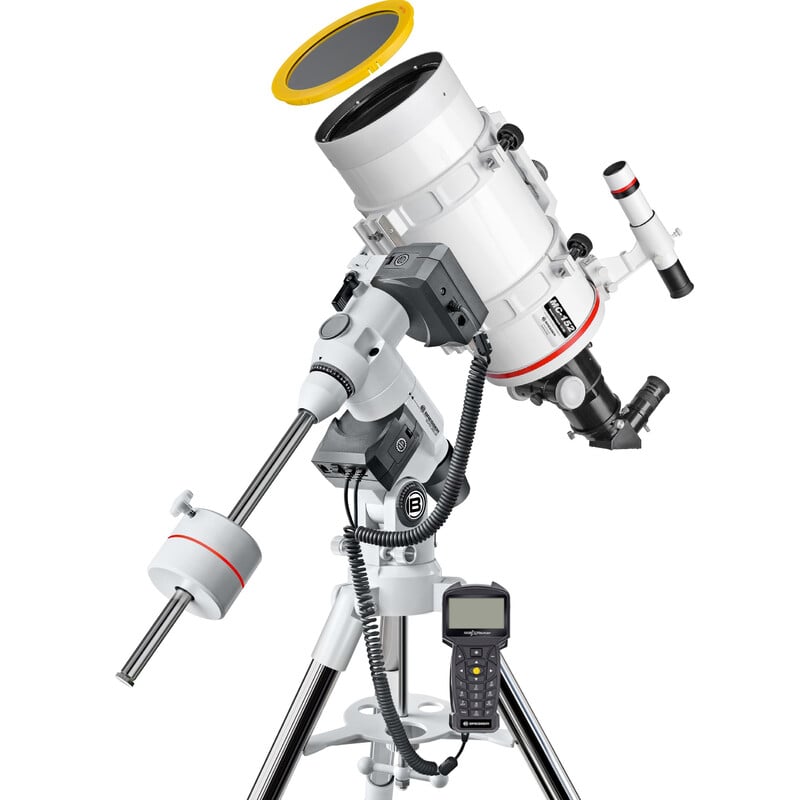
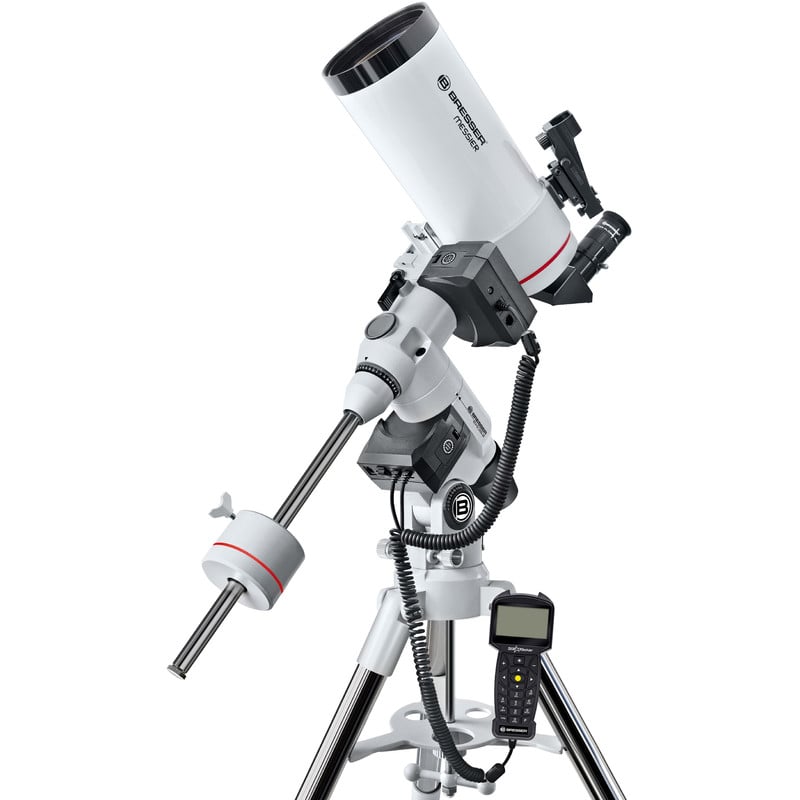
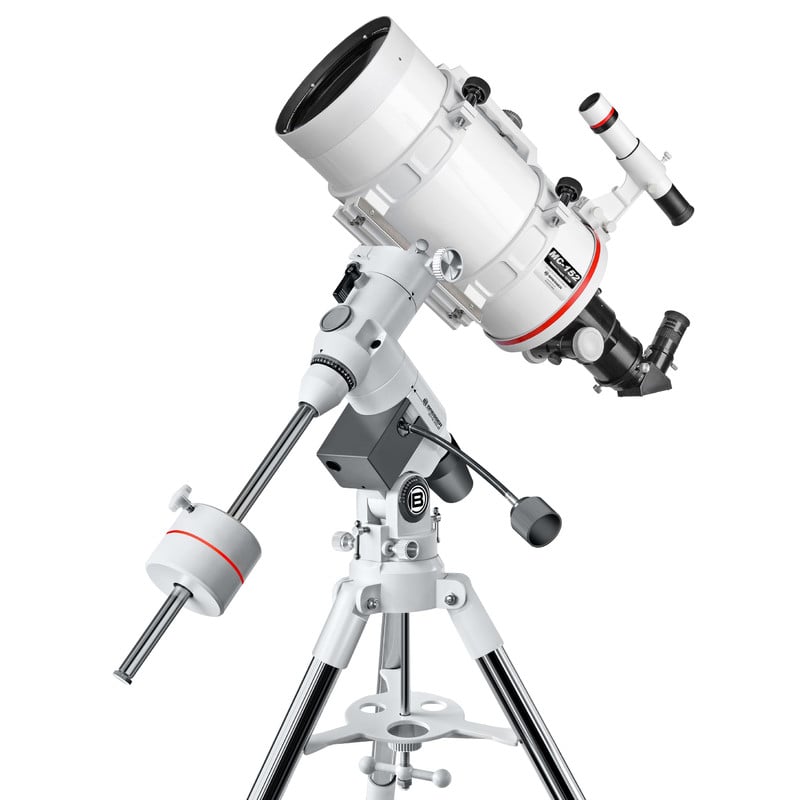
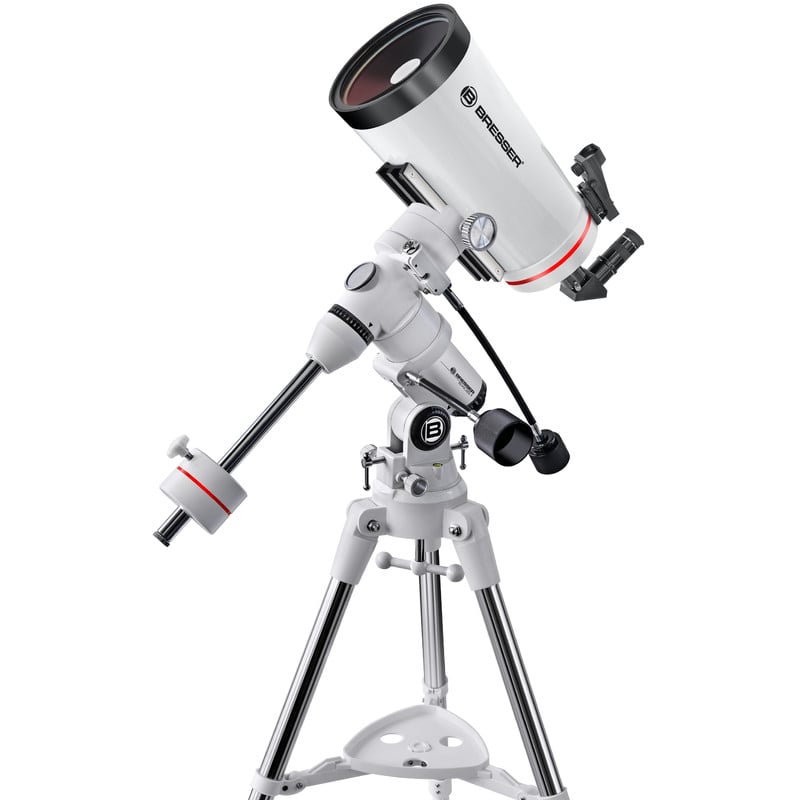


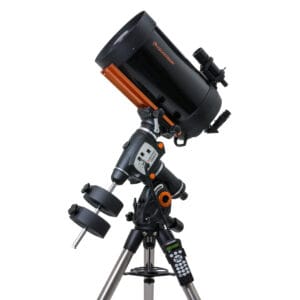
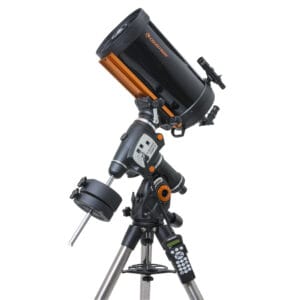
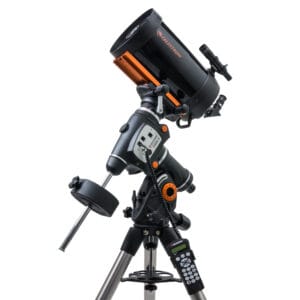
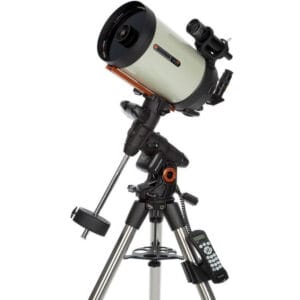
Showing 41–60 of 71 resultsSorted by popularity
Catadioptric telescope: long focal length in a short tube
A catadioptric telescope, also known as a mirror-lens telescope, uses both mirrors and a corrective lens. The light is reflected back and forth within the tube, allowing a focal length of 1,500 to 2,800 mm to fit into a tube measuring 30 to 60 cm. This makes it the most compact telescope per millimeter of aperture and the top choice for observing the Moon, planets, binary stars, and planetary nebulae. Two designs dominate: the Maksutov-Cassegrain and the Schmidt-Cassegrain.
Maksutov or Schmidt-Cassegrain?
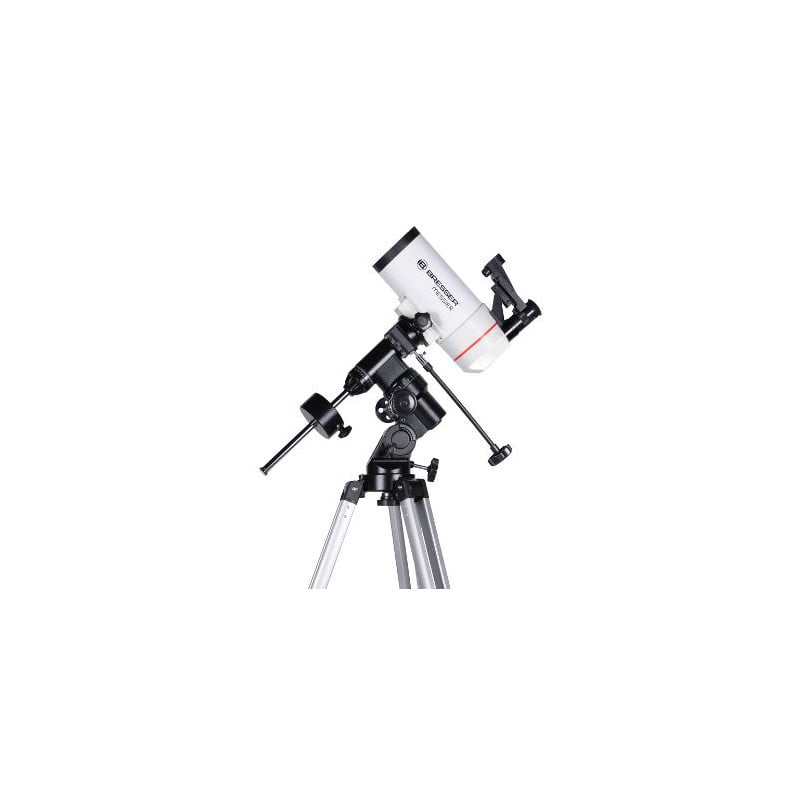
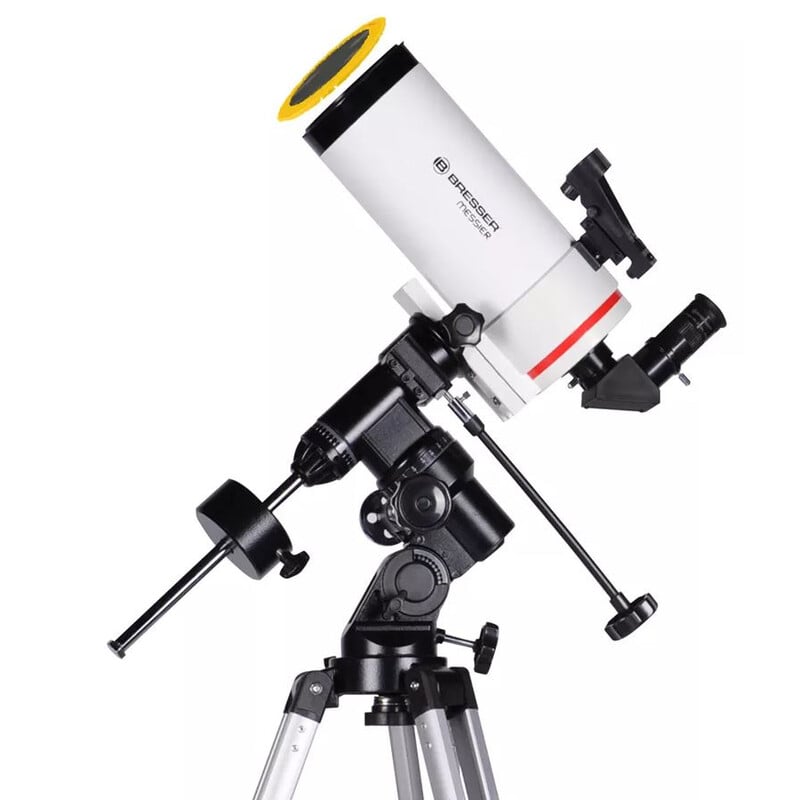
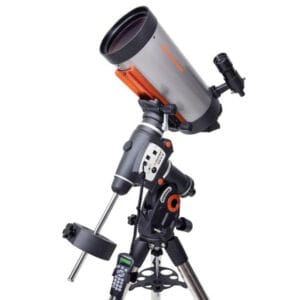
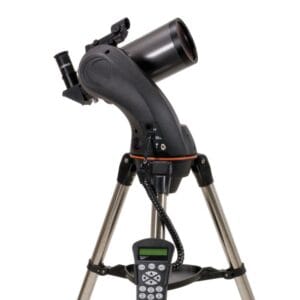
- Maksutov-Cassegrain. Thick meniscus lens, f/12 to f/15, closed tube that never needs collimation. The sharpest planetary image per euro. Available from 60 to 180 mm, mainly from Sky-Watcher (Skymax), Omegon (MightyMak), and Bresser. Disadvantage: long cool-down time and a narrow field of view.
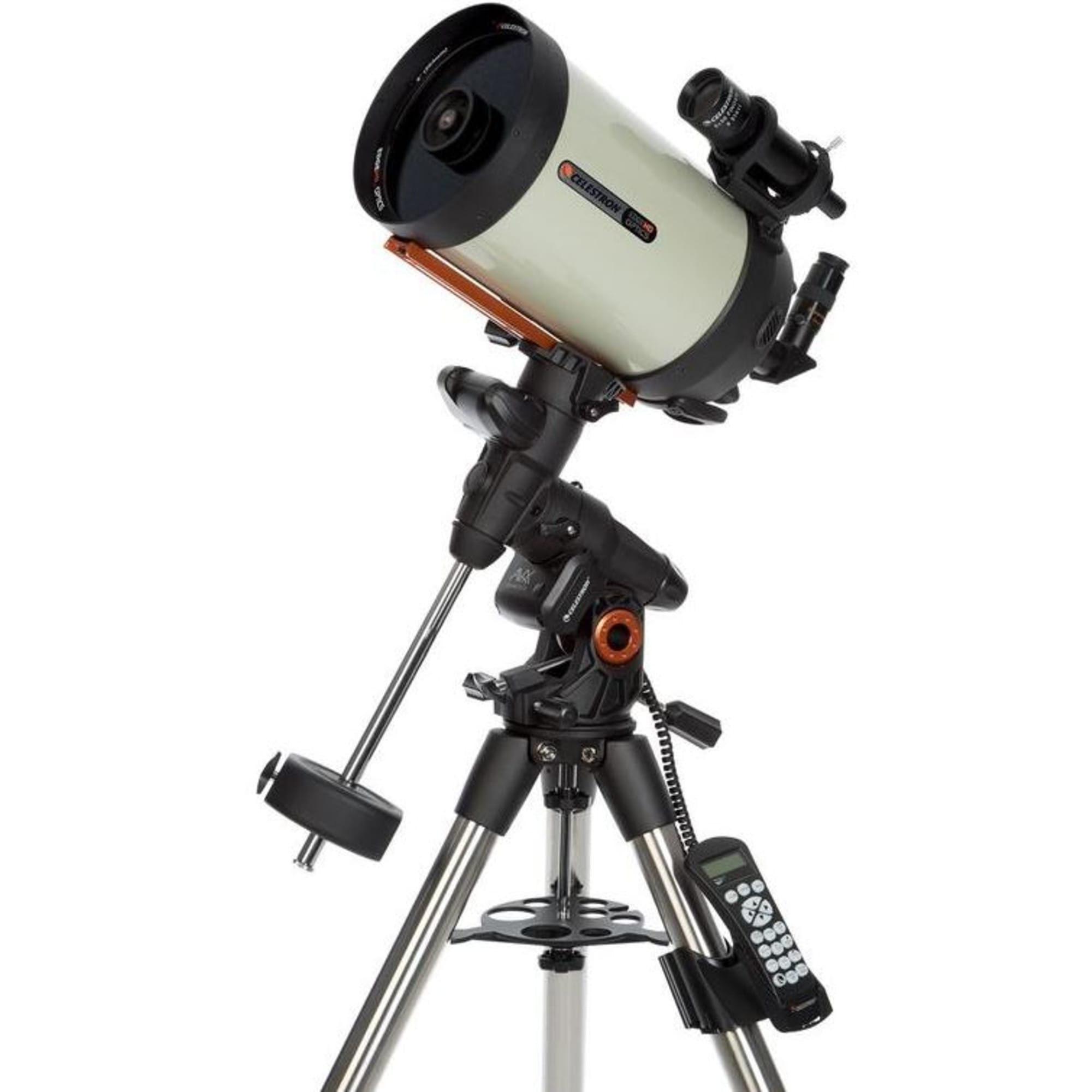
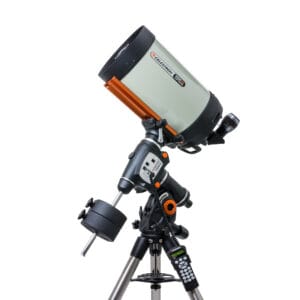
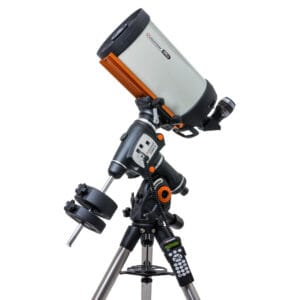
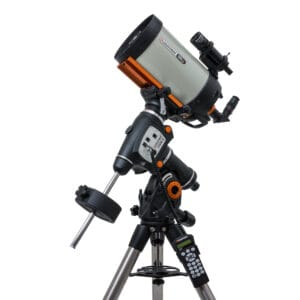
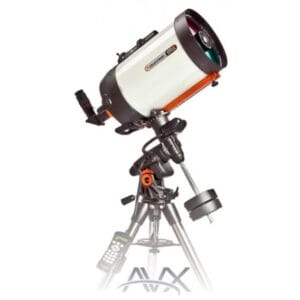
- Schmidt-Cassegrain. Thin correction plate, f/10, from 127 to 355 mm. More versatile: with a reducer suitable for deep-sky photography, visually strong on everything. Almost always from Celestron, usually on a GoTo mount. The EdgeHD-versions have a flat field of view for photography.
Our recommendations
- Compact and affordable: Sky-Watcher Skymax-102 AZ-GTi. 102 mm Maksutov on a WiFi GoTo mount. Fits in a backpack.
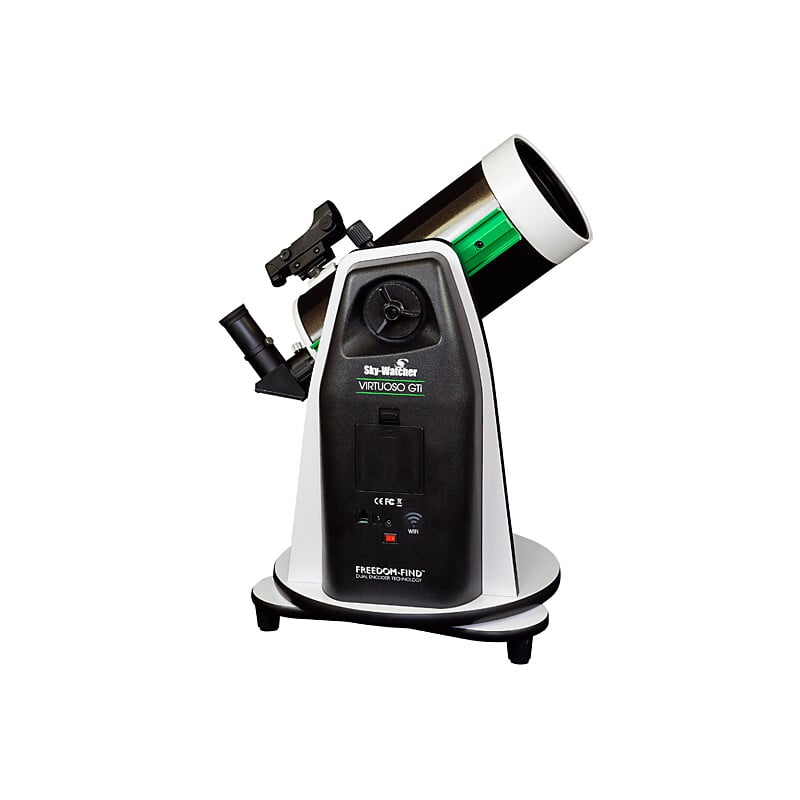
- Planets, best buy: Sky-Watcher Skymax-127 Virtuoso GTi. 127 mm Maksutov on a tabletop GoTo mount. Jupiter and Saturn in detail without a tripod.
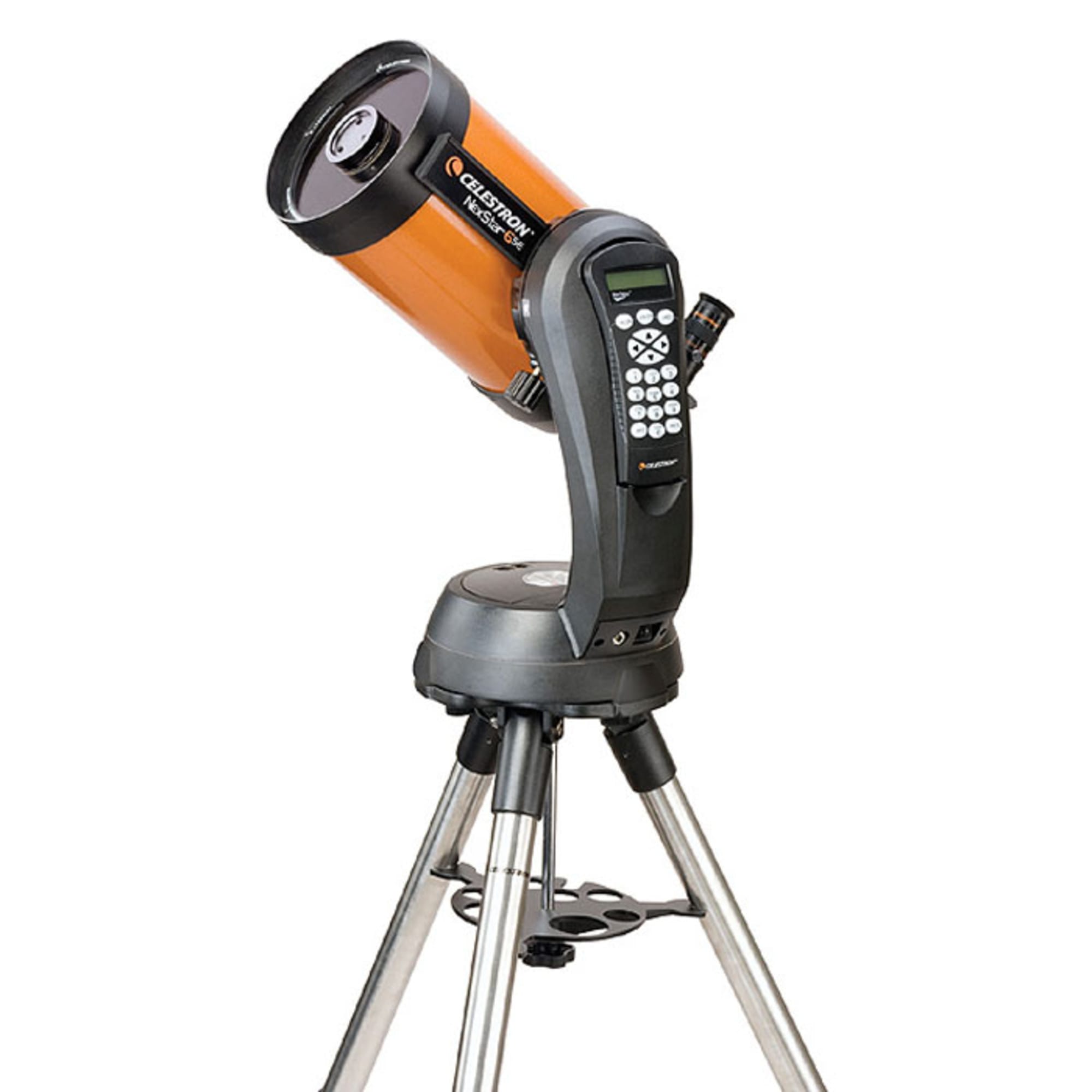
- All-rounder Celestron NexStar SE (5, 6 or 8 inch). The orange tube that has been the standard for a compact GoTo telescope for decades.
- Large and solidly built: Sky-Watcher Skymax-180 PRO or Celestron C8 on Advanced VX.
For whom yes and for whom no
Recommended for: planet observers, anyone who wants a telescope that fits in a car or on a balcony, anyone who wants a closed tube without collimation, and anyone who wants to take photos of the Moon and planets with a planetary camera. Not for: those who want to view or photograph large, faint nebulae. For that, the field of view is too narrow and the brand point ratio is too slow; in that case, choose a Dobson or a short one refractor.
What you keep in mind
Expect 30 to 60 minutes of cooling time for a sharp image; put the telescope outside an hour before use. A dew shield is not an option with this type, but a necessity: the front lens mists up first. Are you in doubt between a Maksutov and a Dobson? The Choice assistant asks for your goal and your storage space. Brand pages: Sky-Watcher, Celestron, Bresser, Omegon. Shipping throughout Europe.