
Ritchey-Chrétien telescopes (RC)
Ritchey-Chrétien telescopes are the ultimate instruments for serious astrophotography! The wide, perfectly flat field of view of a RC telescope perfectly matches modern, large CCD and CMOS sensors. The result? Sharp stars from edge to edge, without suffering from coma or spherical aberration. With mirror diameters ranging from compact 6-inch models to gigantic 16-inch observatory telescopes, we always have a high-quality RC telescope that perfectly suits your photographic ambitions.
Not sure which telescope suits you? We are stargazers ourselves and happy to help.
Send us a WhatsApp messageWe reply on weekdays between 9:00 and 17:00.
Showing all 7 resultsSorted by popularity


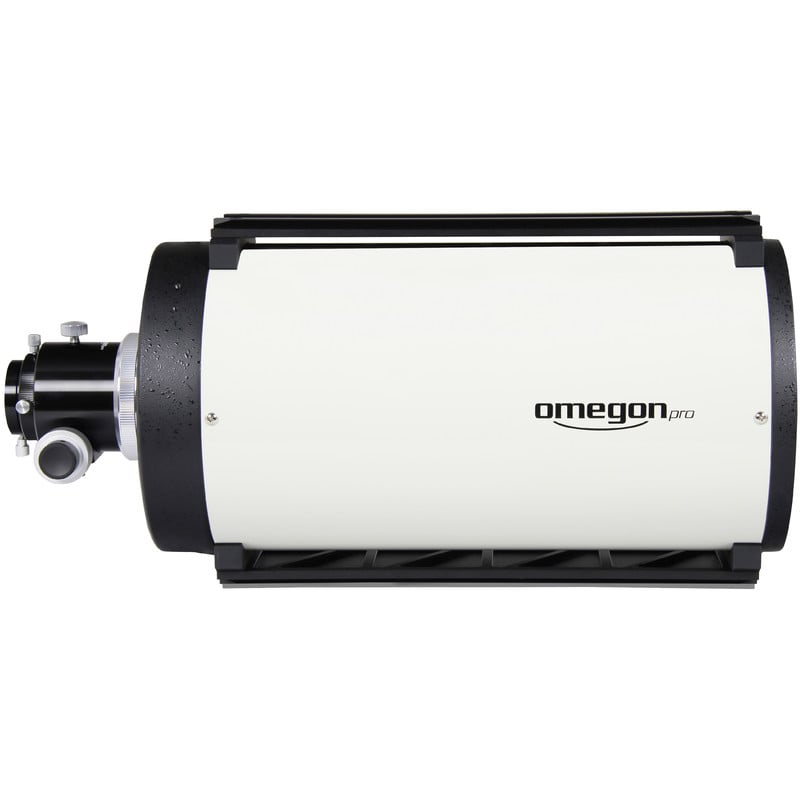
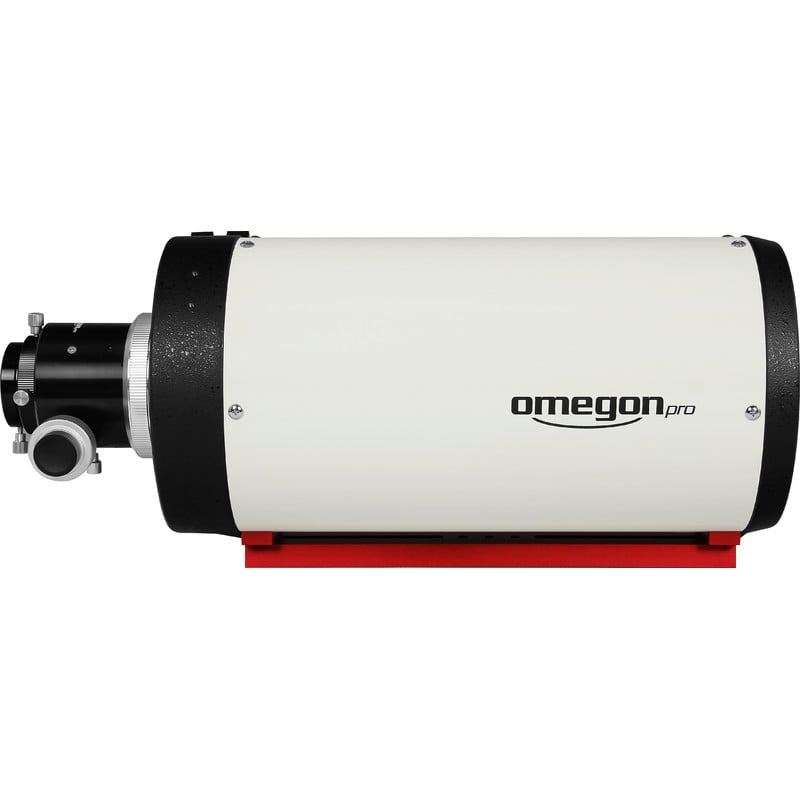

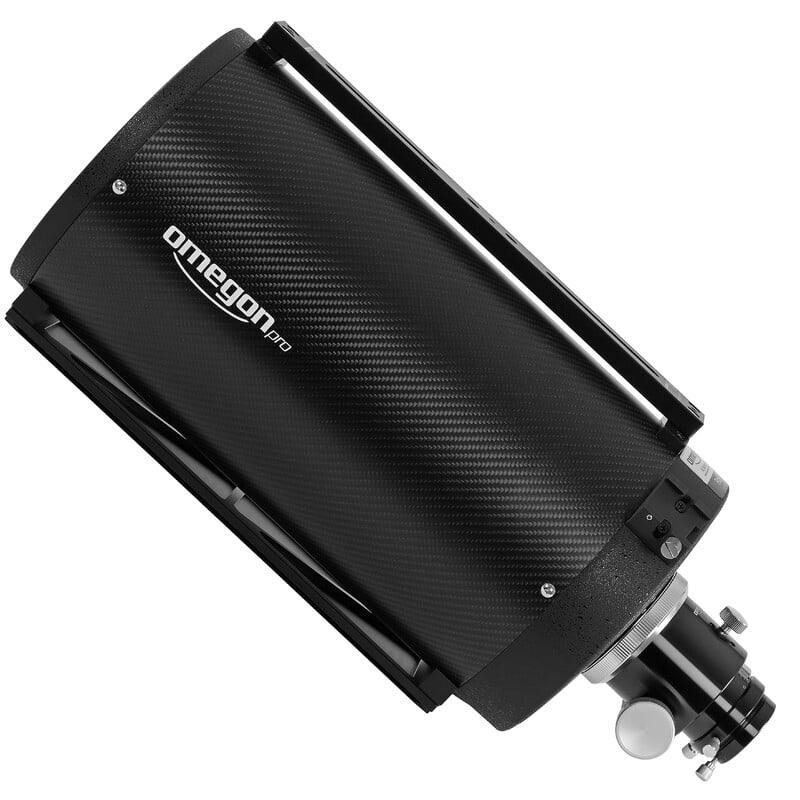
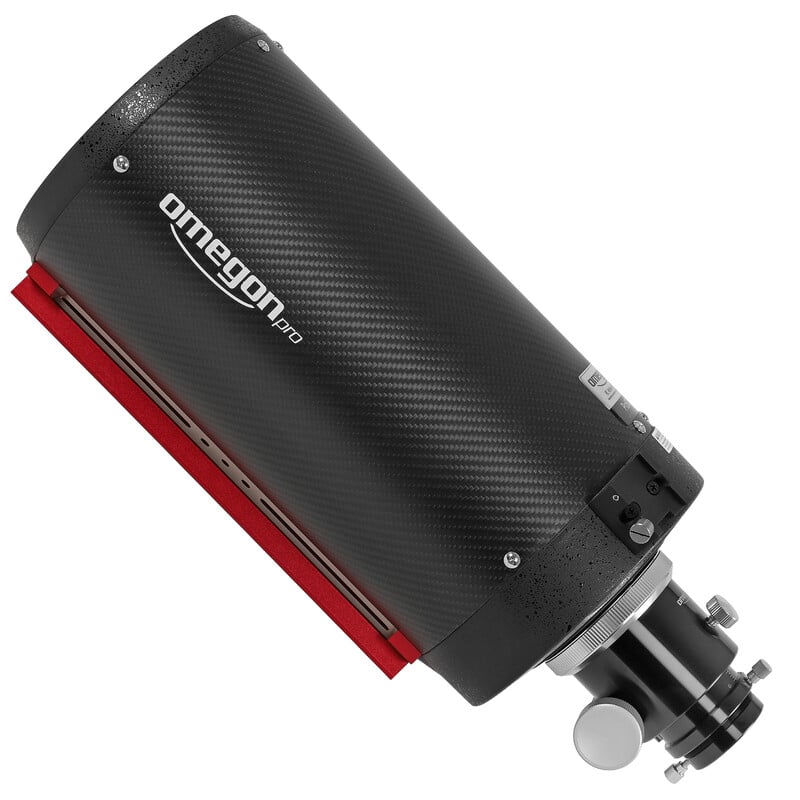
Showing all 7 resultsSorted by popularity
Ritchey-Chrétien telescope: the design of large observatories
A Ritchey-Chrétien (RC) telescope uses two hyperbolic mirrors instead of a lens. The result is a field of view free of coma and chromatic aberration, with a long focal ratio of f/8. The Hubble and most professional telescopes are RCs. For the amateur, this means the sharpest image of small objects such as galaxies, globular clusters, and planetary nebulae, in a tube that is much shorter than a Newtonian telescope with the same focal ratio.
Who is an RC for?
For astrophotographers making the transition from wide-angle imaging to small objects. A 203-mm RC with a 1,624-mm brand focal length allows a galaxy like M51 or M104 to fill the frame, whereas a short refractor would show it as just a blur. This does, however, require three things: a sturdy equatorial mount (HEQ5 Pro or heavier), autoguiding, and an evening’s worth of patience for collimation. An RC is not a visual telescope, nor is it a beginner’s instrument.
Our recommendations
- Omegon Pro RC 154/1370: 6 inch, the entry-level model. Fits on an EQ5 Pro or HEQ5 and introduces you to the RC design.
- Omegon Pro RC 203/16248 inch, the best-selling size. Enough aperture for most Messier galaxies, still fits on an HEQ5 Pro.
- Omegon Pro RC 250/2000: 10 inch for an EQ6-R or heavier. For those with a permanent setup.
- Omegon Pro RC 355/2845 Truss and 406/3250 Truss: 14 and 16 inch for observatories and associations.
What you keep in mind
- Collimation. Both mirrors are adjustable. Do it right once with a collimation eyepiece or a star and the RC holds it for months.
- Reducer. A 0.75x or 0.8x reducer makes an RC faster and provides a larger field of view. For the 8-inch, that is the most sensible expansion.
- Extension tubes. The focus position is far behind the tube. The included extension rings are necessary to get a camera in focus.
- Cooling. A closed tube with a thick mirror takes 30 to 60 minutes to reach outdoor temperature.
If you are hesitating between an RC and a fast Newtonian, check first at Newton OTAfor large nebulae the Newtonian is the better choice, for small galaxies the RC. Brand page: Omegon.