
Refracting Telescopes

Not sure which telescope suits you? We are stargazers ourselves and happy to help.
Send us a WhatsApp messageWe reply on weekdays between 9:00 and 17:00.
Showing 41–60 of 198 resultsSorted by popularity
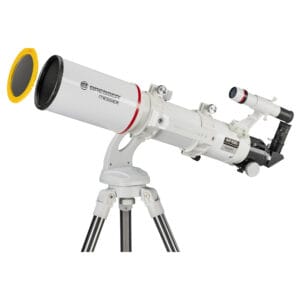
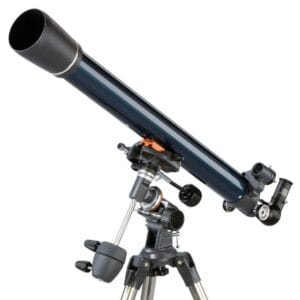
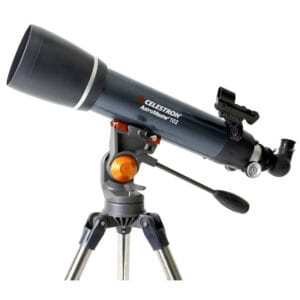
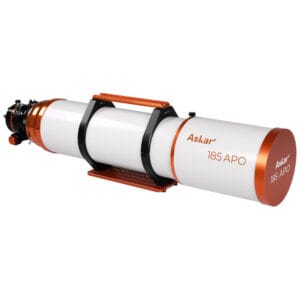
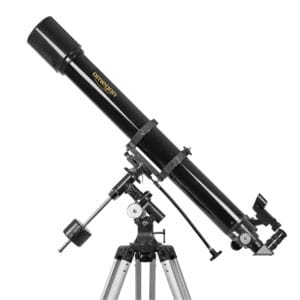
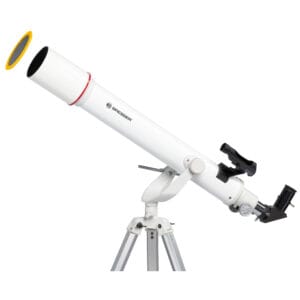

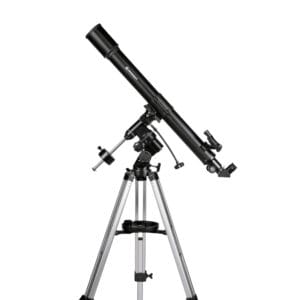
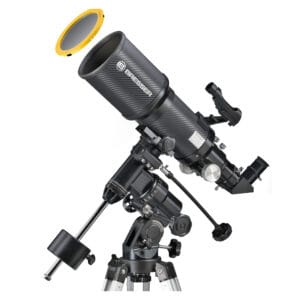
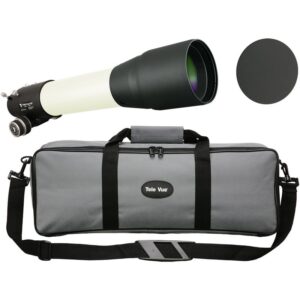
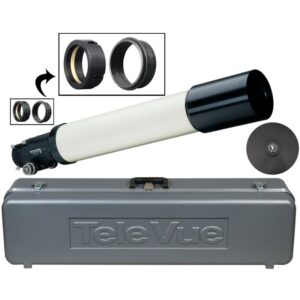


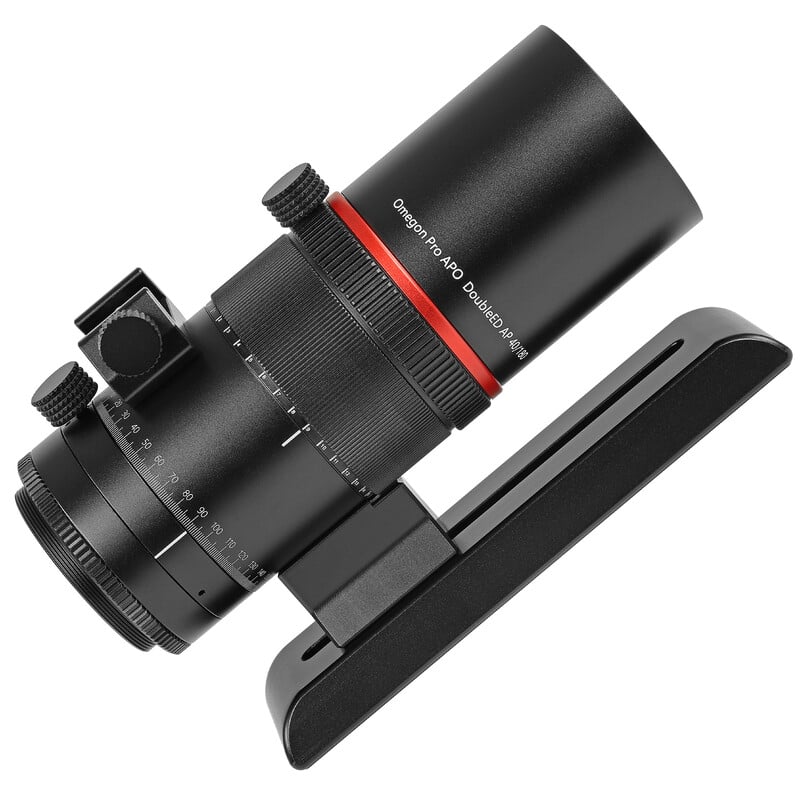
Showing 41–60 of 198 resultsSorted by popularity
Refractor telescope: maintenance-free, sharp, and compact
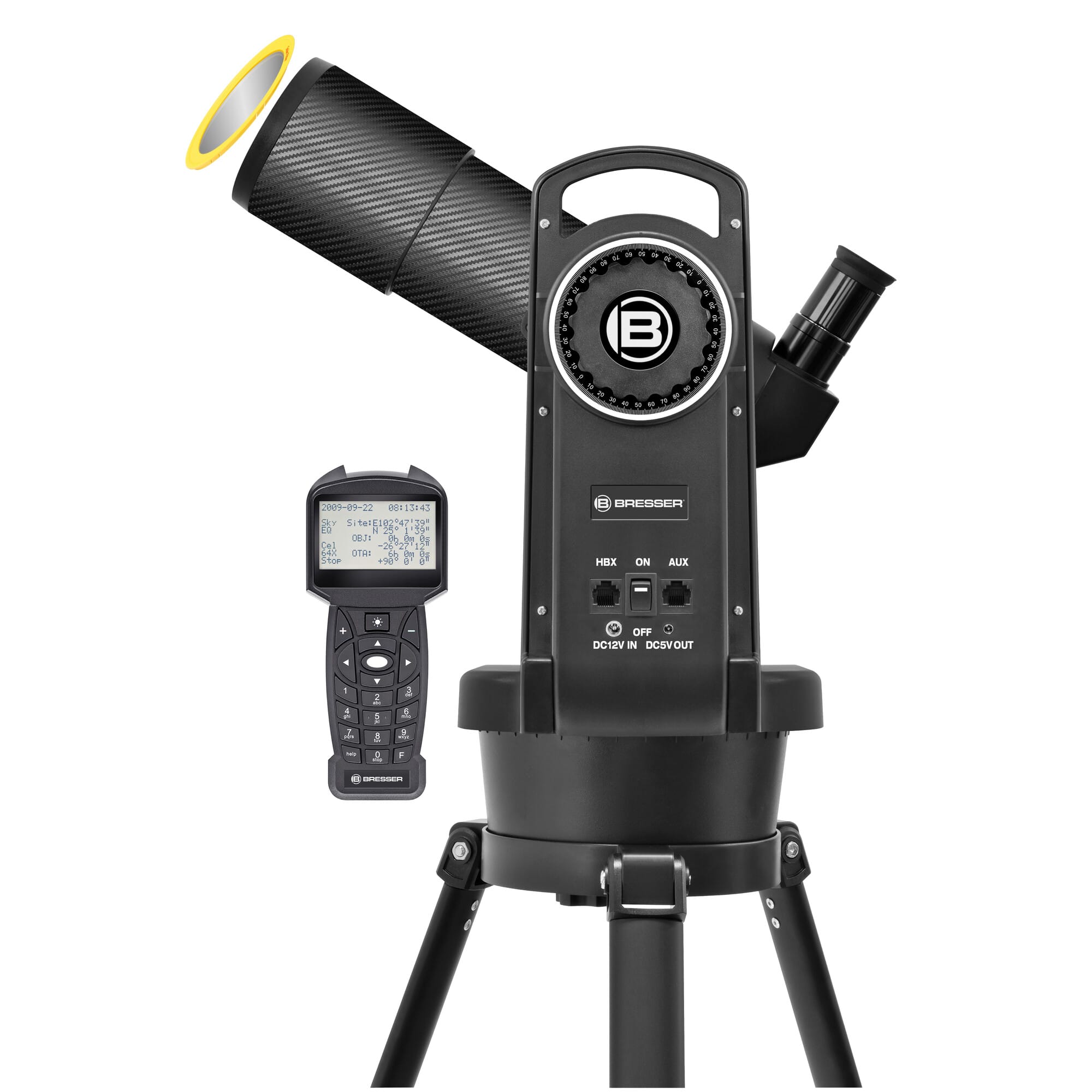
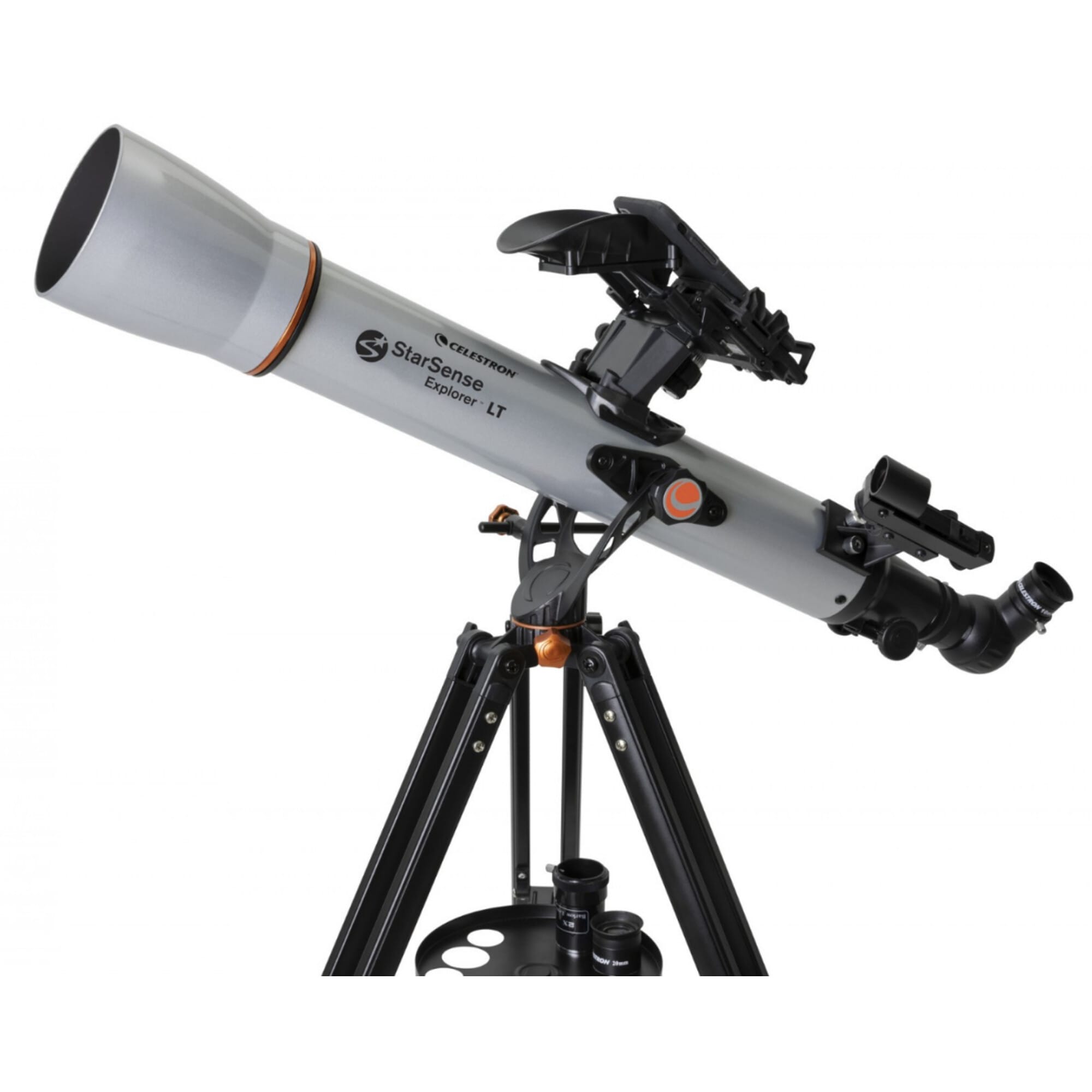
A refracting telescope, also called a lens telescope or refractor, collects light with an objective lens at the front of the tube. There are no mirrors to align, the tube is closed and the image is high-contrast. That makes the refractor the most user-friendly telescope available, and the first choice for the Moon, planets, double stars, and for astrophotography with a small, lightweight tube. The price per millimeter of aperture is higher than with a reflector; above 120 mm, a refractor quickly becomes expensive and heavy.
Achromat, ED or APO?
- Achromat. Two lens elements made of standard glass. Inexpensive, ideal for visual observation at long focal lengths (f/8 to f/10). Short achromats (f/5) exhibit a blue halo around bright objects; they are intended as wide-angle telescopes for star clusters.
- ED (Extra-low Dispersion). One special glass lens element largely suppresses chromatic aberration. The best price-performance ratio for those who want to do astrophotography. Examples: Sky-Watcher Evostar ED and Evolux ED.
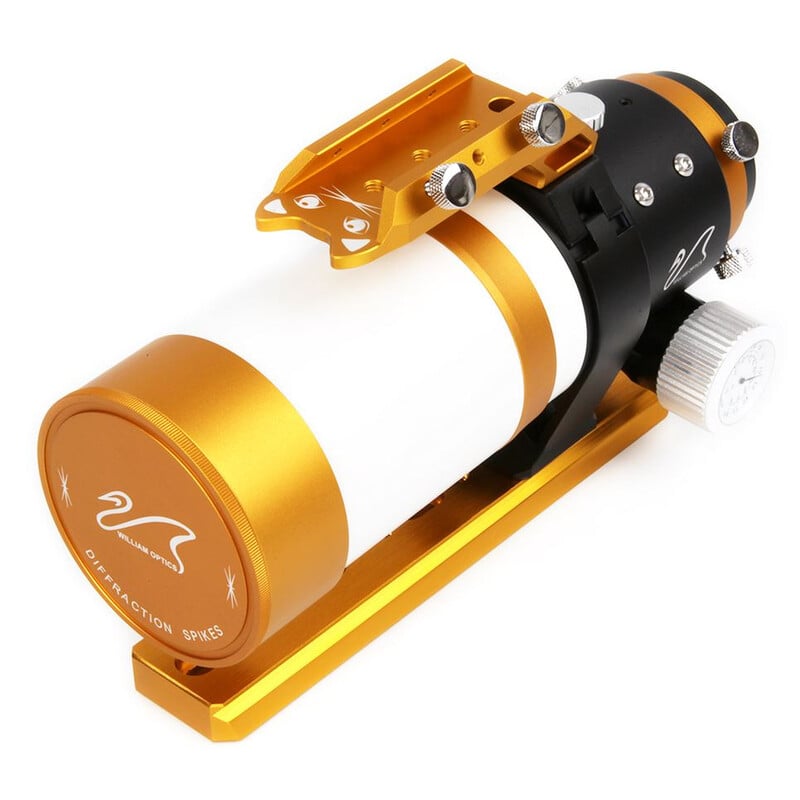
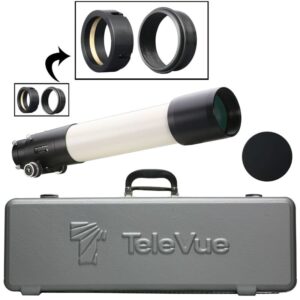
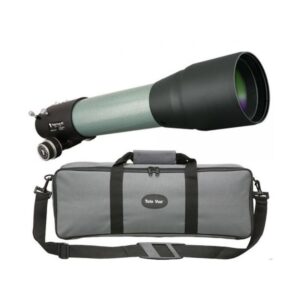
- APO (apochromatic). Three or more elements, virtually no color error. The standard for astrophotography, the sharpest planetary images for visual use. Brands like William Optics, Askar, TeleVue and Omegon Pro.
Four subcategories
- Manual refractors: complete sets of AZ or EQ mounts without electronics. The entry-level model.
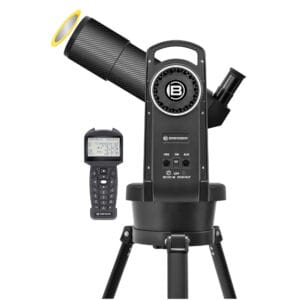
- GoTo refractors: complete sets on a computerized mount.
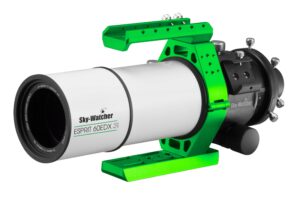
- Refractor OTAloose tubes, especially ED and APO for photography on a dedicated mount.
- Solar telescopesH-alpha refractors from Lunt and Acuter, described separately.
Our recommendations
- Visual, beginner: Sky-Watcher Startravel-102 AZ Pronto. 102 mm wide-angle achromat on a lightweight AZ mount. Star clusters, the Milky Way, and the moon in a single field of view.
- Visual, planets: Sky-Watcher Evostar-120 EQ5. 120 mm achromat at f/8.3. Sharp on Jupiter and Saturn, with an EQ5 that can get a motor later.
- Photography, entry-level: Sky-Watcher Evolux-62ED or William Optics ZenithStar 61. With a flattener on a star tracker or small EQ.
- Photography, advanced: William Optics RedCat 51 for wide-angle, Sky-Watcher Evostar 150ED For details.
For whom yes and for whom no
Well: who wants no maintenance, who mainly looks at the moon and planets, who is looking for a lightweight telescope for travel, and who wants to take pictures with their own camera. Not: who wants to visually see faint nebulae and galaxies. Aperture matters for that, and you can buy that cheaper as Dobson. Our Choice assistant weighs both options. Brand pages: Sky-Watcher, William Optics, Bresser, Omegon. Shipping throughout Europe, in Belgium with Bancontact.