
Telescopes
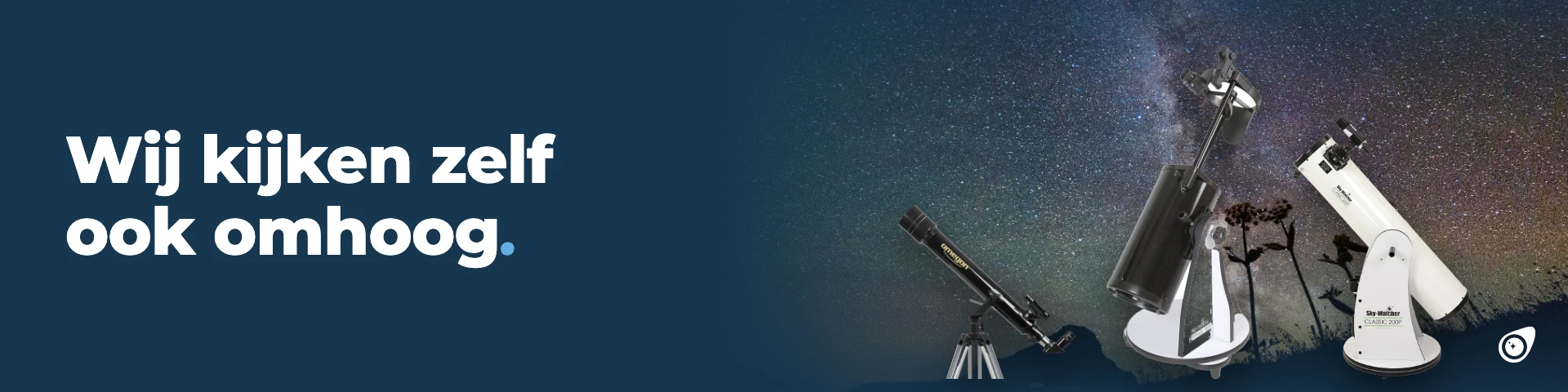






Not sure which telescope suits you? We are stargazers ourselves and happy to help.
Send us a WhatsApp messageWe reply on weekdays between 9:00 and 17:00.
Showing 381–400 of 499 resultsSorted by popularity






Showing 381–400 of 499 resultsSorted by popularity
Buying a telescope: how to choose the right stargazing telescope
A telescope and a stargazing scope are the same instrument. The choice isn't about magnification, but about three questions: what do you want to see, do you want to look or take photographs, and how much space and time do you have. Below is our advice per type. If you are still in doubt, use the telescope selection aid Or come by appointment in Sneek.
Smart telescope: viewing via your phone, even under a light sky
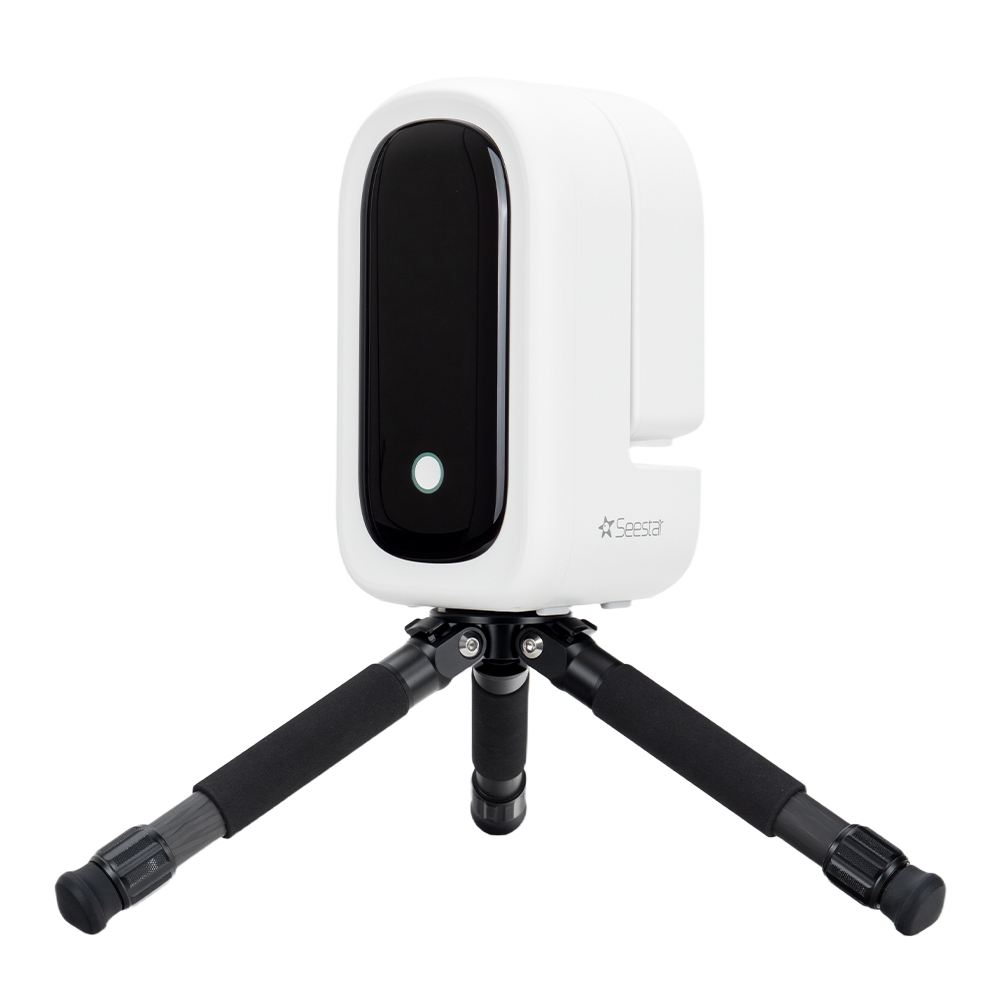
A smart telescope finds objects on its own and stacks photos into an image of nebulas and galaxies. You look at your phone, not through an eyepiece. This is the fastest-growing type in our store and the best answer to light pollution in a city. Our most chosen models are the ZWO Seestar S30 Pro, the Seestar S50 Pro and the DWARF 3. View all smart telescopes.
Dobson: the most light for your money, with your own eye
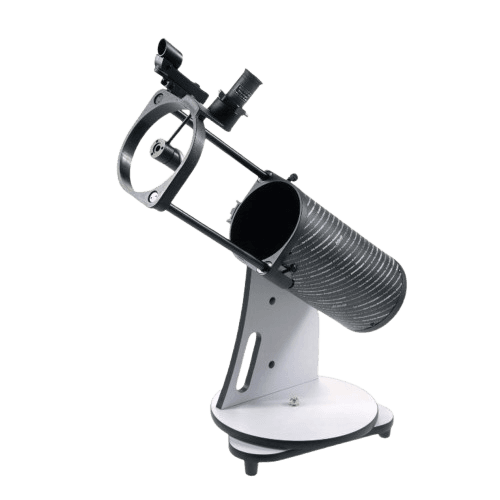
If you want to see Saturn, the moon, and bright nebulae through an eyepiece yourself, a Dobson delivers the largest mirror per euro. A Heritage 130P or Heritage 150P fits on the table and in a closet. A Skyliner 200P is the step up to 8 inches and has been the standard choice for amateur astronomy clubs for years. View all Dobson telescopes.
Refractor or catadioptric: compact, sharp on planets
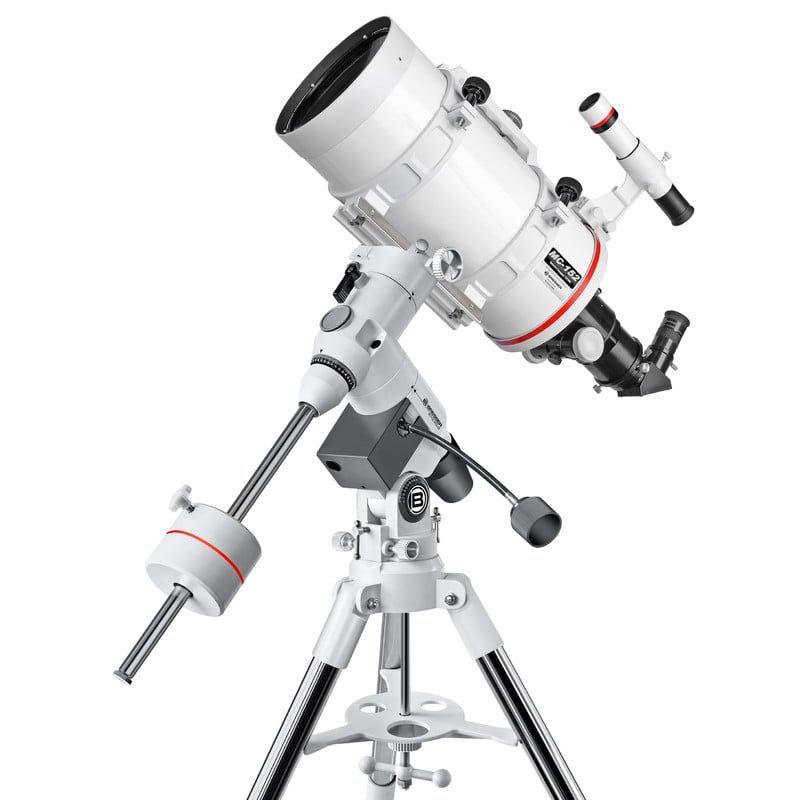
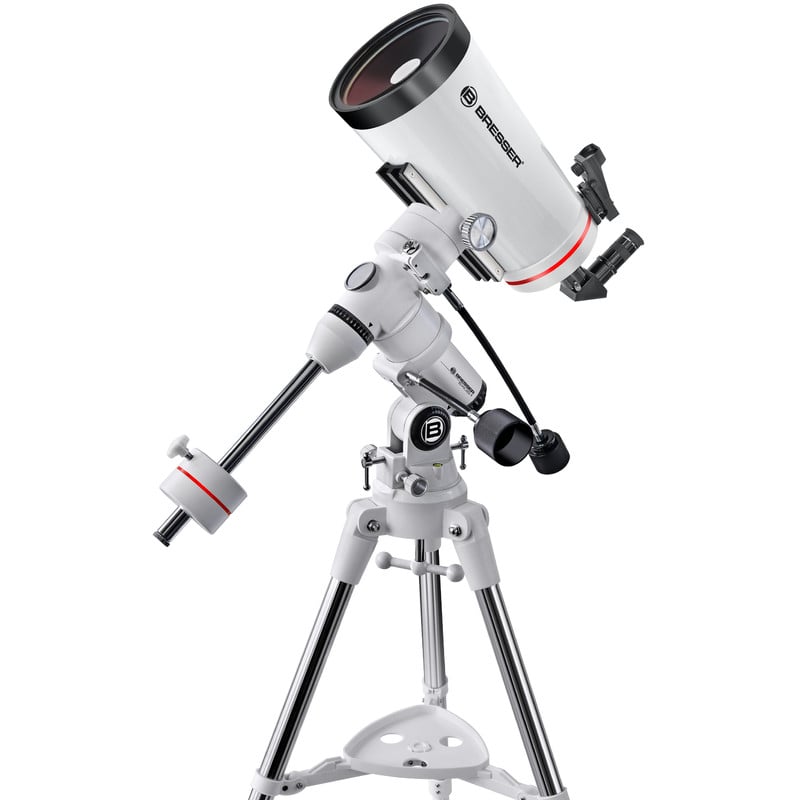
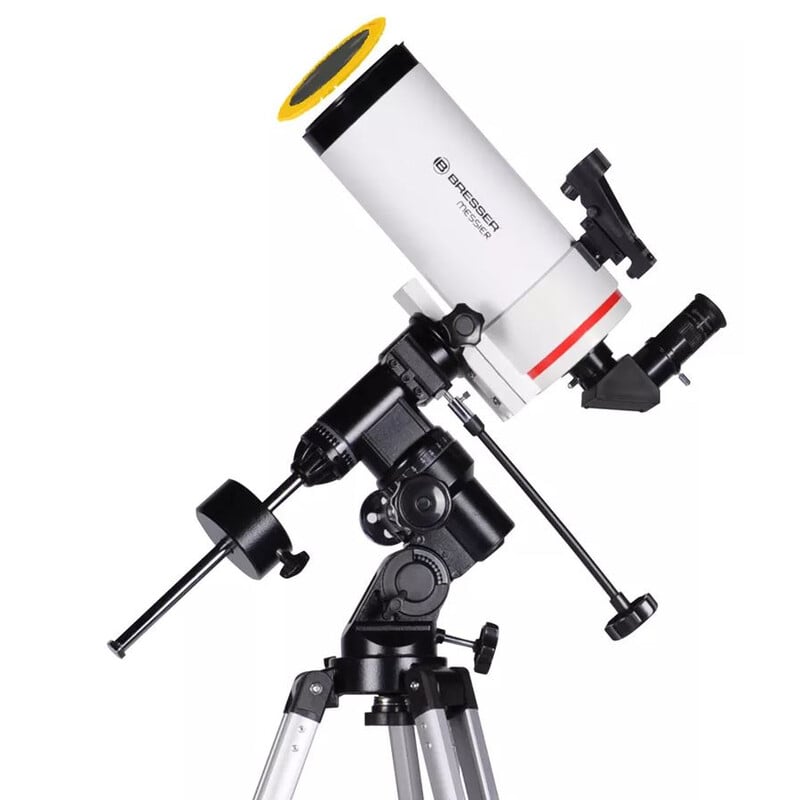
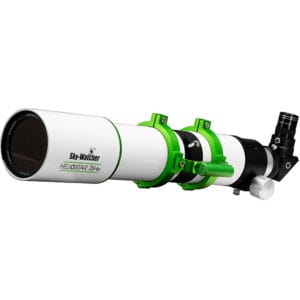
A refractor is maintenance-free and provides a calm, high-contrast view of the moon and planets. A catadioptric telescope (Maksutov or Schmidt-Cassegrain) offers a long brand focal length in a short tube. Both are good choices if you have limited space or plan to do astrophotography with a mount later on.
What you look out for
- Aperture (mm) over magnification. The aperture determines how much light and detail you see. A realistic maximum magnification is 2 times the aperture in millimeters; anything above that is marketing.
- Assembly. A sturdy mount makes more difference than a more expensive tube. If the image wobbles, you won't look.
- Weight and assembly time. The telescope you use often is better than the larger one that stays in the closet.
- Look or photograph. Visual observation and astrophotography require different instruments. If you want both, choose a smart telescope.
Why Choose Telescoop.nl
We sell Seestar, DWARF, Sky-Watcher and Celestron together and also recommend a cheaper model that might suit you better. You can view a selection in person in Sneek by appointment. If you order from Belgium, you can pay with Bancontact and read all about delivery on our page. buy telescope in Belgium. We ship throughout Europe, insured, with a 30-day money-back guarantee.
Frequently Asked Questions
What is the difference between a telescope and a stargazing telescope? None. Star gazer is the Dutch word for a telescope that you point at the heavens.
Which telescope is best for a beginner? For visual viewing a Dobson of 130 to 200 mm; for photos and convenience a smart telescope. Our full advice is in the Beginner's Guide.
How much magnification do I need? Less than you think. On the moon and planets you usually use 100 to 200 times; nebulae and galaxies are viewed at 30 to 60 times.