
Astrophotography
Not sure which telescope suits you? We are stargazers ourselves and happy to help.
Send us a WhatsApp messageWe reply on weekdays between 9:00 and 17:00.
Showing 1–20 of 123 resultsSorted by popularity

 Price range: 1.590,00 through 1.790,00 Select options This product has multiple variants. The options may be chosen on the product page

- 4.699,00 Select options This product has multiple variants. The options may be chosen on the product page
- Price range: 2.599,00 through 2.958,00 Select options This product has multiple variants. The options may be chosen on the product page

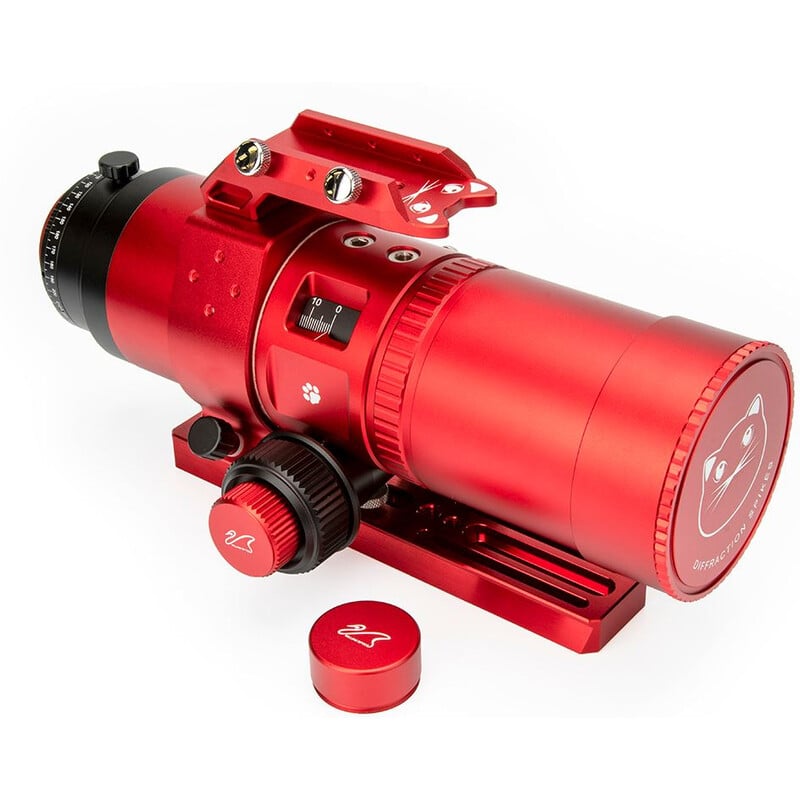
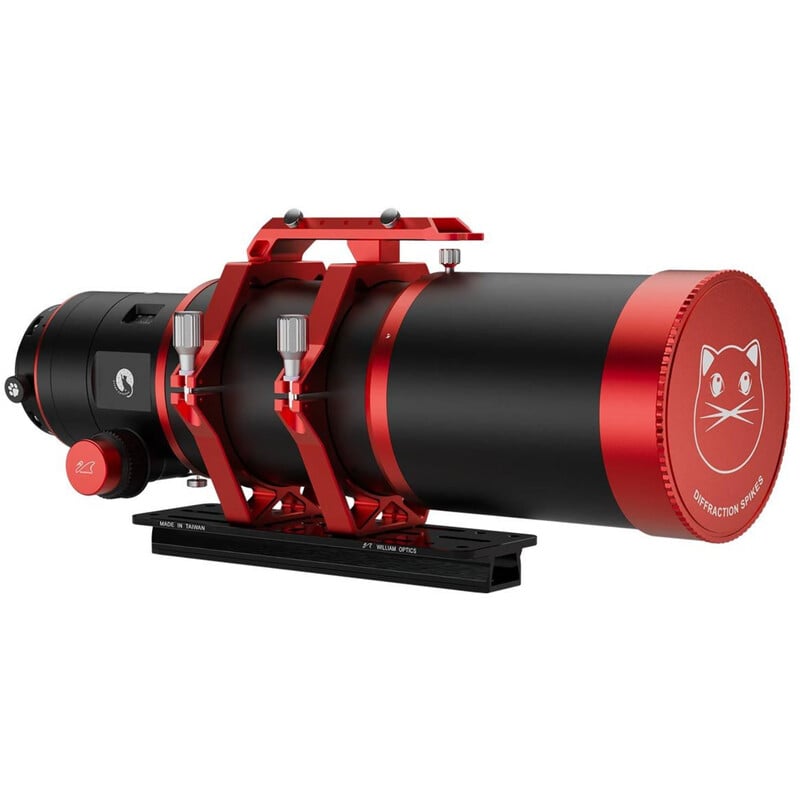
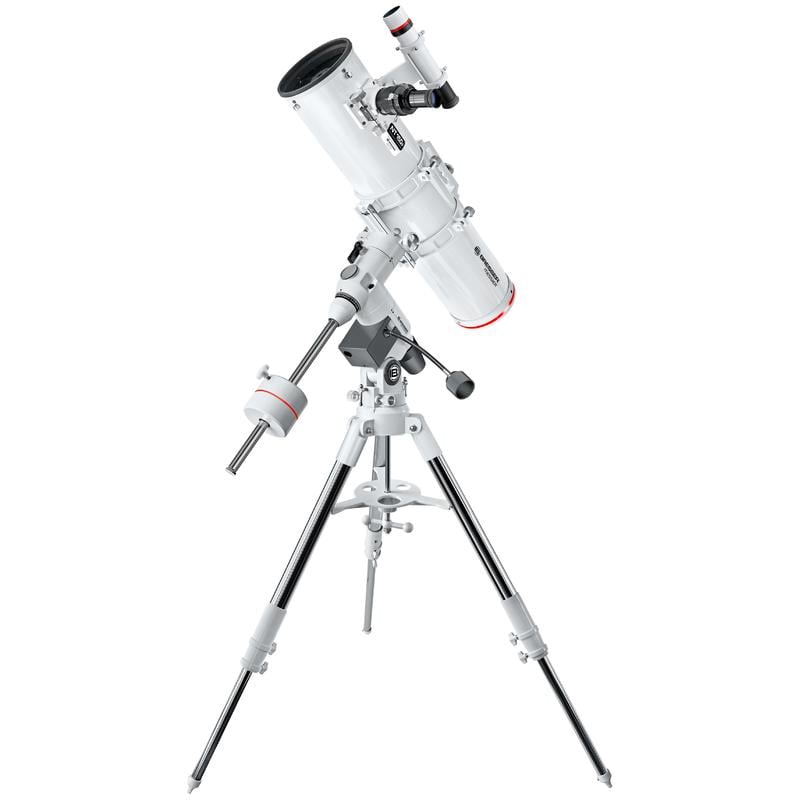
Showing 1–20 of 123 resultsSorted by popularity
Telescope for astrophotography: two paths to the same photo
Anyone looking for a telescope for astrophotography faces one main choice in 2026. Route one is a smart telescope with a built-in camera that puts a nebula on your phone within fifteen minutes of unboxing. Route two is a classic setup: a short apochromatic refractor or a fast Newtonian, an equatorial mount, and your own camera. The second route delivers higher quality and more freedom, but takes more time, money, and evenings of learning. We sell both and honestly advise which one suits you.
Route one: smart telescopes
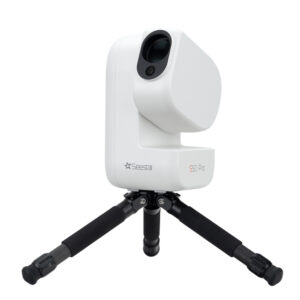
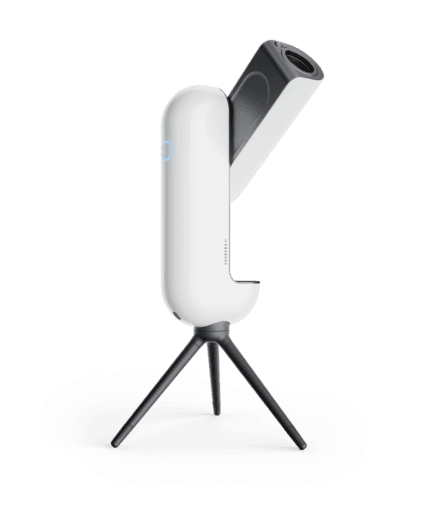
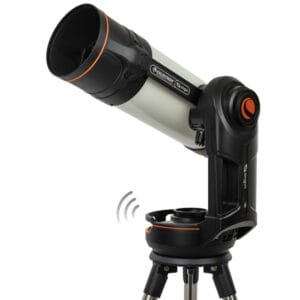
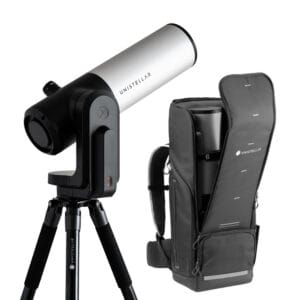
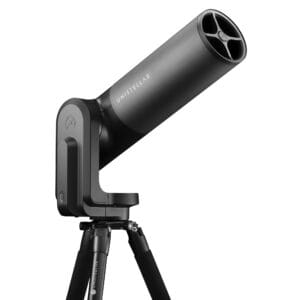
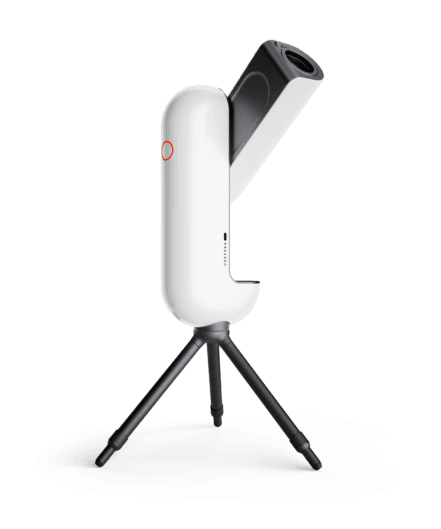
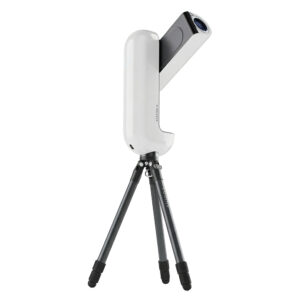
The ZWO Seestar S30 Pro and the DWARF 3 are the two smart telescopes that we sell the most. Both have a built-in camera, automatic alignment, and an app that stacks the exposures. For most beginners, this is the route with the fewest disappointments. If you want a wider field of view and a larger sensor, take a look at the Seestar S50 Pro. All models and the comparative advice are on the category page smart telescopes.
Route two: a custom setup
First choose your target, then your telescope. Large objects (Andromeda, the North America Nebula, the Pleiades) require a short focal length of 180 to 450 mm. Smaller nebulae and galaxies require 500 to 1,000 mm. Planets and the Moon require 1,500 mm or more, but that’s a different kind of photography using a different camera.
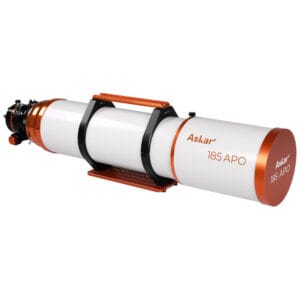
- Askar FMA180 Pro: 40 mm apochromatic lens with a 180 mm brand focus point. Fits on a star tracker and provides a flat field of view right out of the box. The most affordable serious entry-level option.
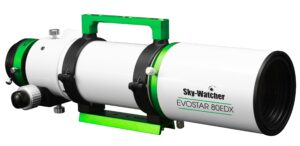
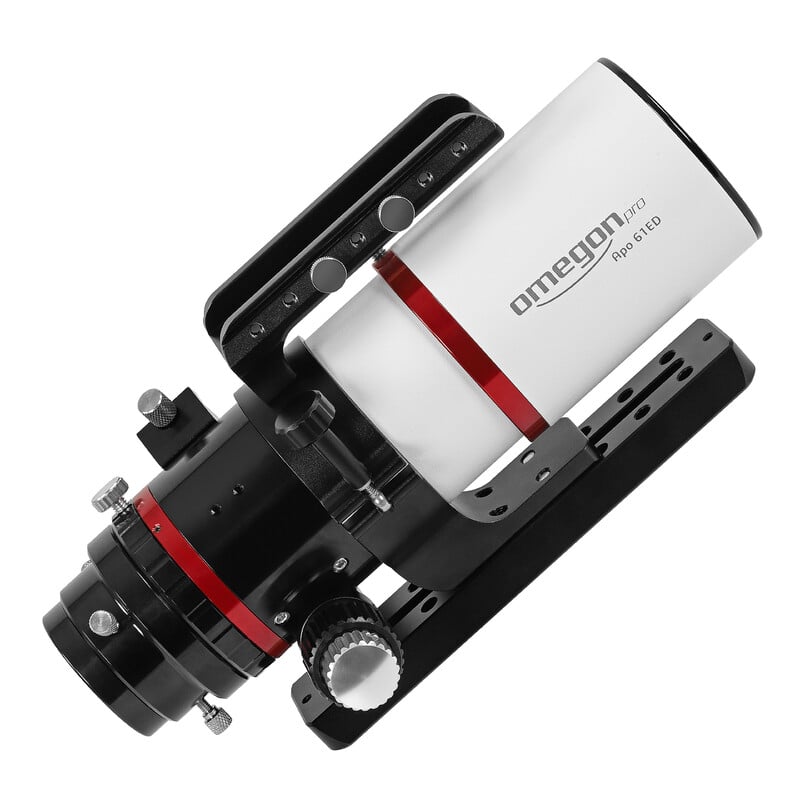
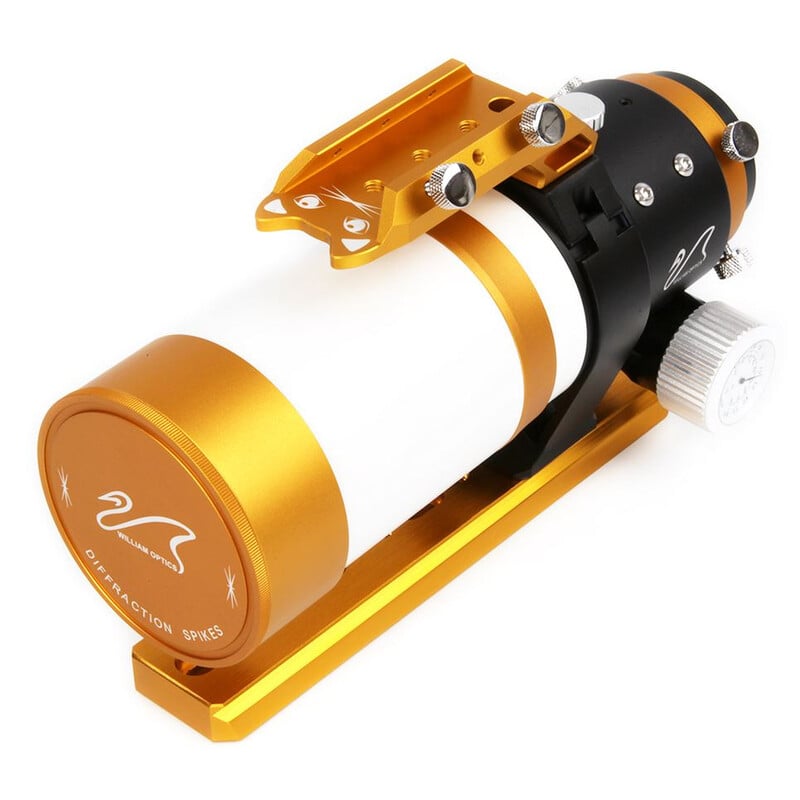
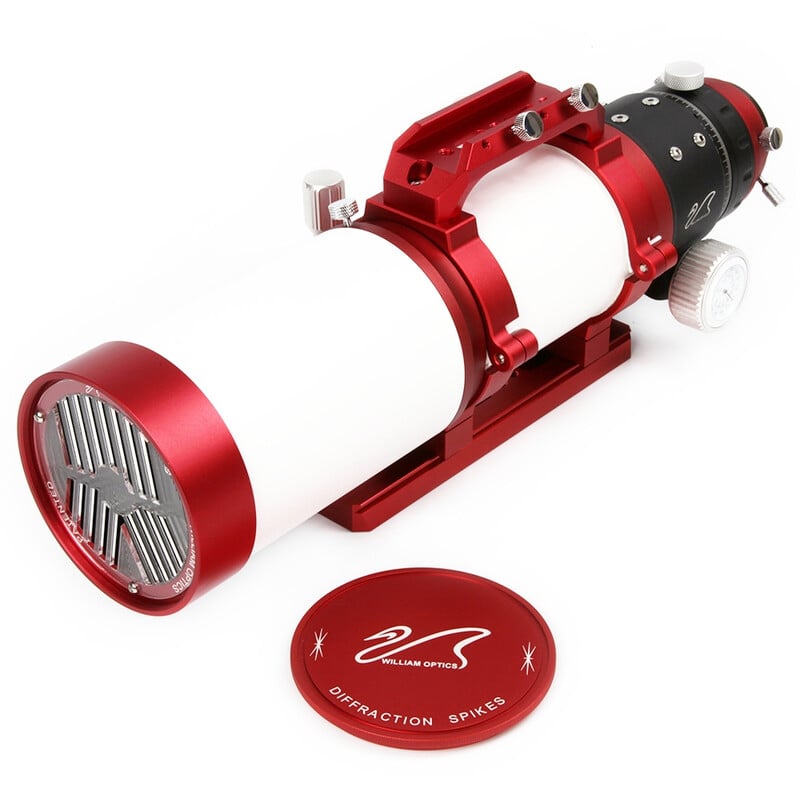
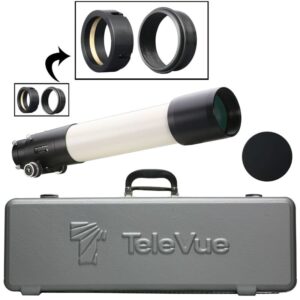
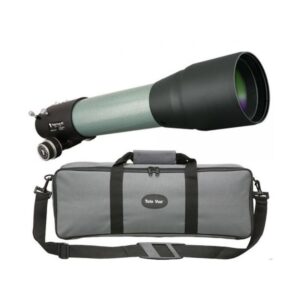
- Sky-Watcher Evolux-62ED or William Optics ZenithStar 61: 62 and 61 mm, 400 and 360 mm brand. With a flattener, this is the classic starting point for deep-sky photography with a system camera.
- ZWO FF65 APO65 mm quintuplet with built-in field flattener. No extra optics needed, directly full-frame compatible.
- Sky-Watcher Explorer-150PDS and Quattro-200Pfast Newtonians with 150 and 205 mm apertures for those who want more light per euro and aren't afraid of a coma corrector. These are in the category Newton OTA.
The mount is at least as important as the telescope. Count on a load capacity of twice the weight of your telescope plus camera. Our mounts are available at telescope accessories.
For whom yes and for whom no
Right for route one: anyone who wants results within an evening, doesn't have dark skies and has no time for a learning curve. Right for route two: whoever sees other people's photos and thinks “I want to do that better myself,” and who is willing to mostly learn for the first few months. Not for: those who mainly want to look visually. For that, a Dobson per euro much stronger.
Are you unsure which route suits you?
Call or text us before you choose, or come by appointment in Sneek. Or use the Choice assistant. Brand overviews: ZWO, DWARF Lab, William Optics and Sky-Watcher. Shipping throughout Europe.