
Manual reflector telescopes
There's nothing quite like the pure, authentic experience of manually exploring the cosmos. Manual reflector telescopes are the ultimate choice for the astronomer who wants to master the technique of ‘starhopping’. Because you don't pay for expensive computers or batteries, every euro of your budget goes directly into the quality and aperture of the mirror. From manually tracking the rings of Saturn to finding a faint galaxy: with these telescopes, you get the most aperture for your money!
Not sure which telescope suits you? We are stargazers ourselves and happy to help.
Send us a WhatsApp messageWe reply on weekdays between 9:00 and 17:00.
Showing 21–40 of 78 resultsSorted by popularity


- 1.379,00 Select options This product has multiple variants. The options may be chosen on the product page

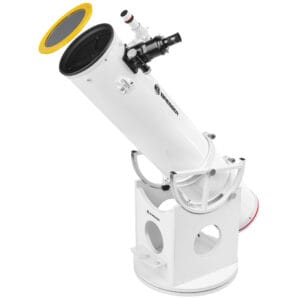
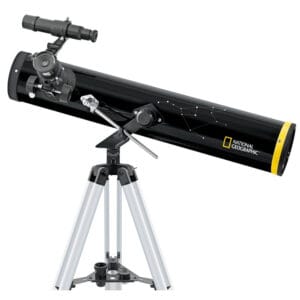

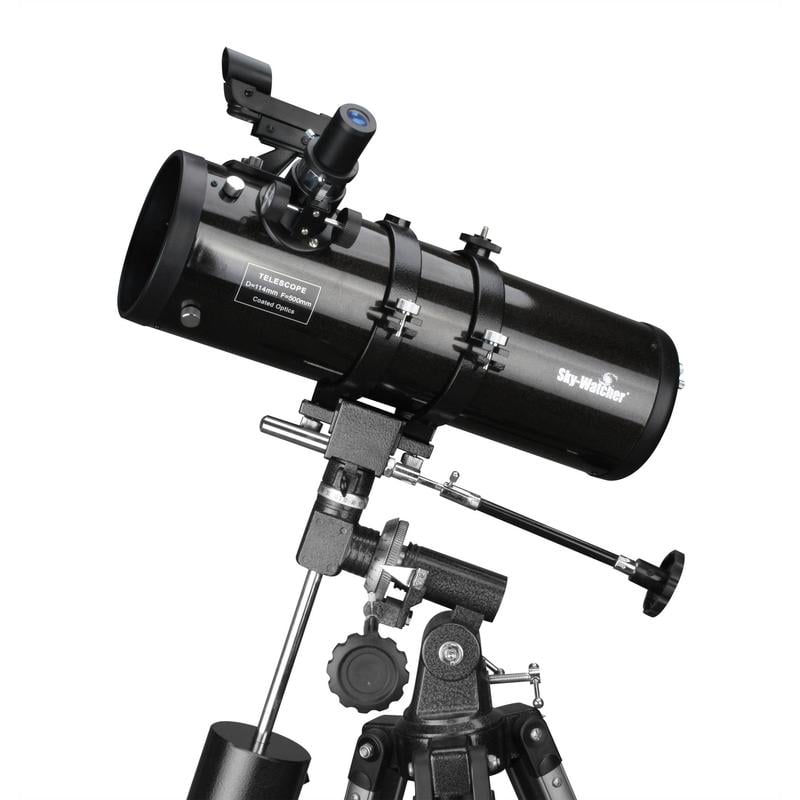
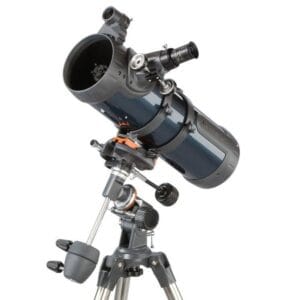
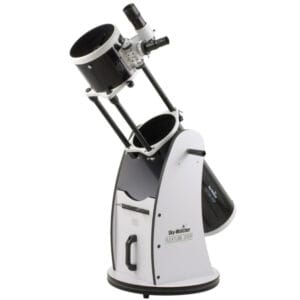
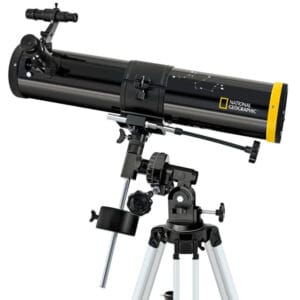
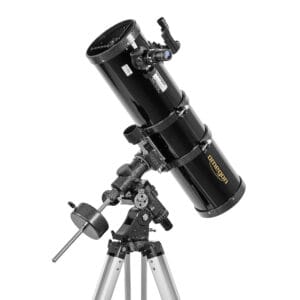
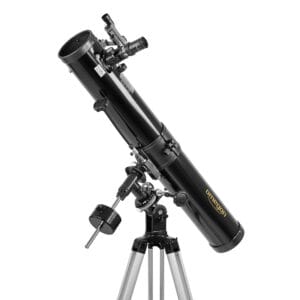
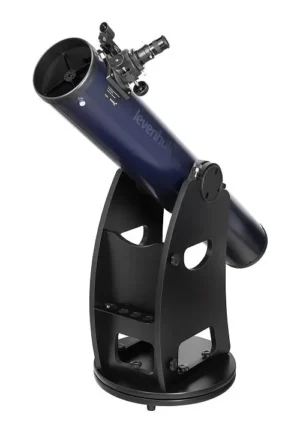

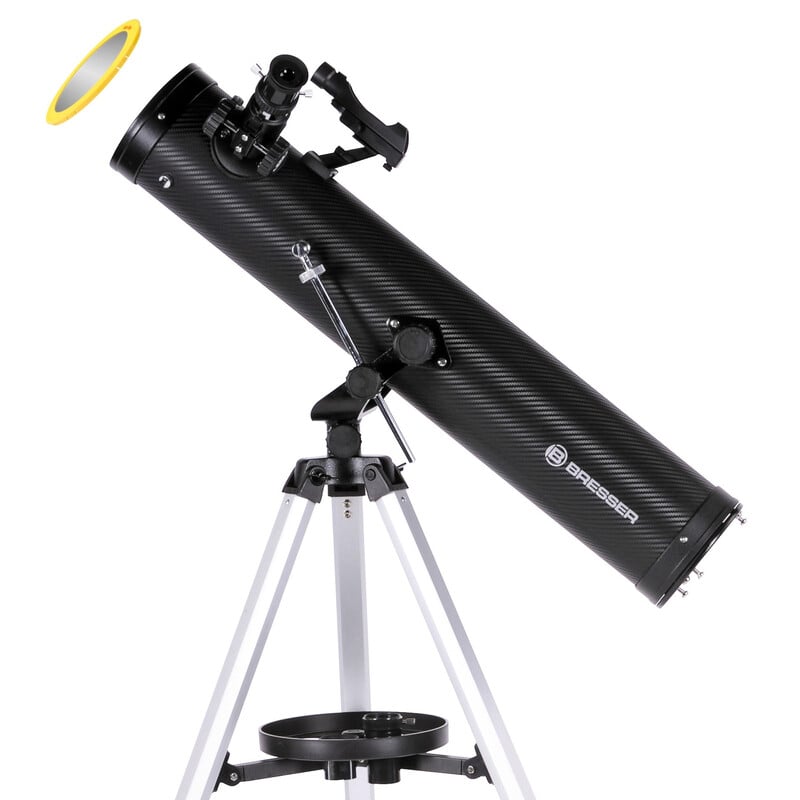
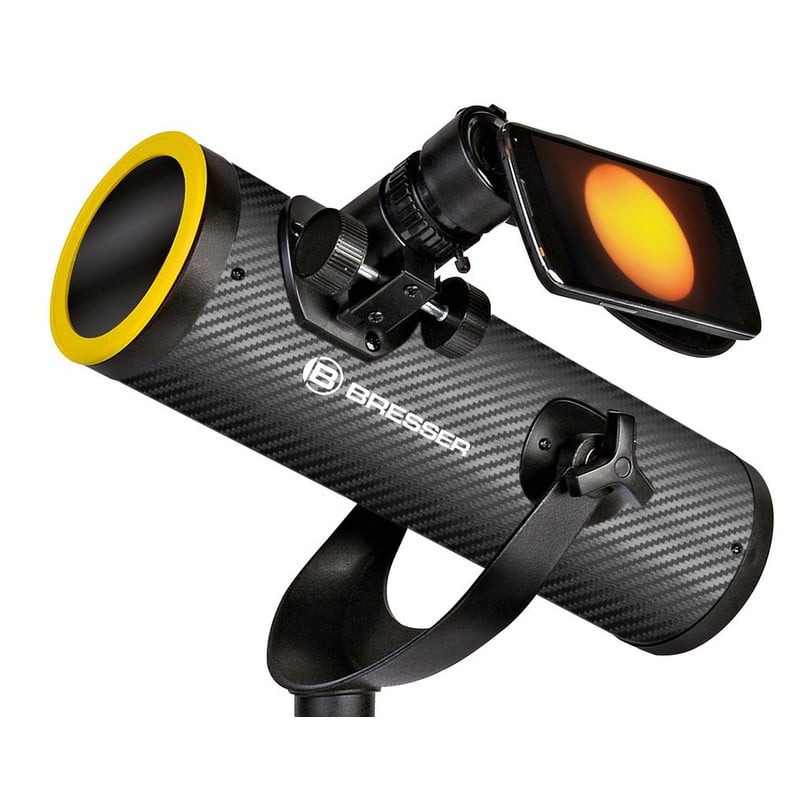
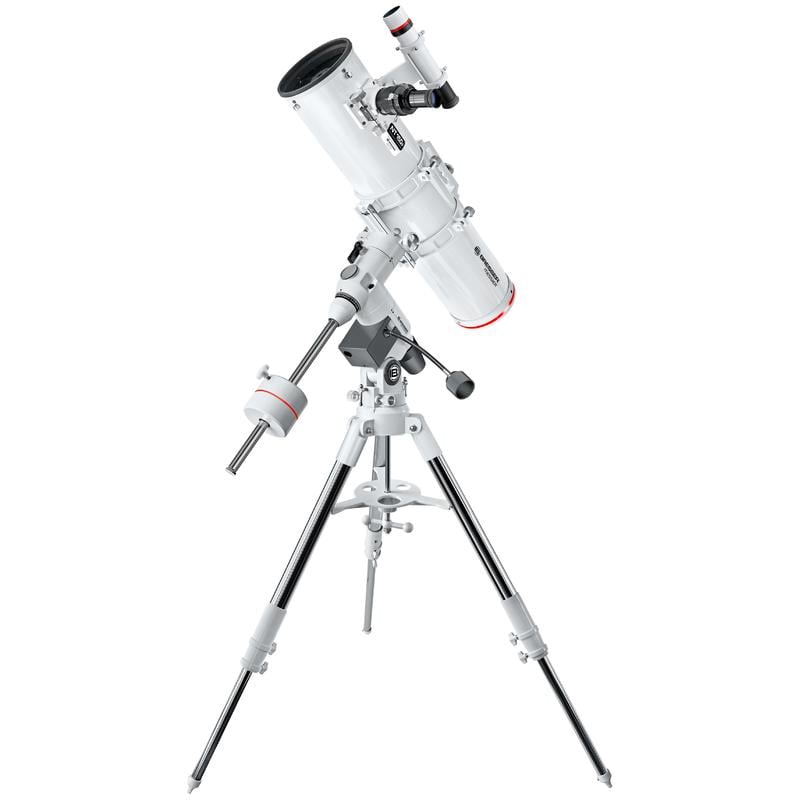
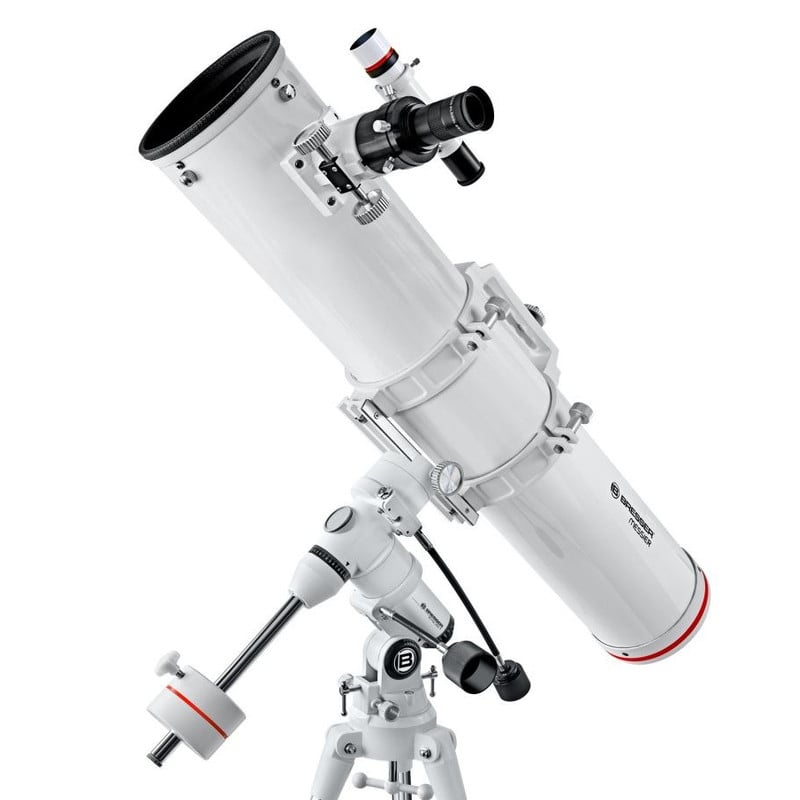
Showing 21–40 of 78 resultsSorted by popularity
Manual reflector telescope: manual aiming, manual tracking
A manual reflector telescope is a Newtonian reflecting telescope on a mount without motors. You point it by hand and track the night sky using slow-motion controls. It is the oldest form of the hobby and still one of the best ways to get to know the sky. This category includes both Dobsonians and Newtonians on tripods with equatorial (EQ) or alt-azimuth (AZ) mounts.
EQ or AZ for Dobson?
- Equatorial (EQ1 to EQ5). One axis is pointed at the North Star. After that, you track an object with a single knob. Ideal for planets at high magnification and later expandable with a tracking motor. Disadvantage: setting it up requires practice and the telescope is sometimes in awkward angles.
- Altazimuth (AZ). Left-right and up-down, like a photo tripod. Intuitive, lightweight, and quick to set up. At high magnification, you have to adjust more often.
- Dobson. An altazimuth mount on the ground. The most aperture per euro. All Dobsons are also in the Dobson category.
Our tripod recommendations
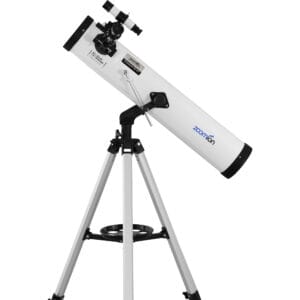
- Omegon Newton 76/700 AZ-1the cheapest Newton on a tripod that we can still sell with peace of mind. Moon and planets.
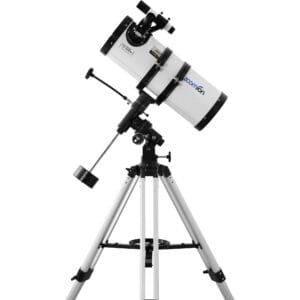
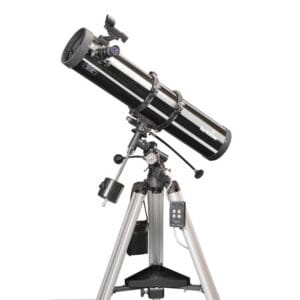
- Sky-Watcher Explorer-130 EQ2130 mm on an EQ2. The classic second step.
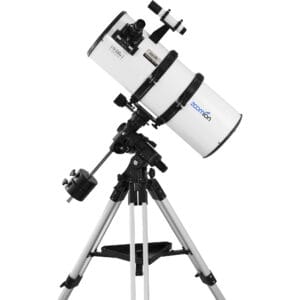
- Omegon 150/750 Newton EQ-3: 150 mm on an EQ-3. Stable enough for 200x magnification and with a motor suitable for initial planetary photos.
- Sky-Watcher Explorer-200P EQ5200 mm on an EQ5. The largest we recommend without motors.
For whom yes and for whom no
Pros: anyone who wants to get to know the heavens, anyone on a budget, and anyone who wants to add a motor later. Cons: anyone living in a city with few visible stars to align with (look instead at Push To) and those who want to do deep-sky photography (look at GoTo reflectors).
Indispensable for every Newton: a laser collimator. Handy with an EQ mount: a polar finder and a right ascension tracking motor. You can read more explanation about mounts in our article about tripods and mounts.