
Telescope Mounts (EQ, Alt-Az & Smart)
Showing 1–20 of 137 resultsSorted by popularity

Showing 1–20 of 137 resultsSorted by popularity
Telescope Mounts: The Ultimate Guide to EQ, Alt-Az & Smart Systems
In astronomy, there’s an unwritten rule: your telescope is only as good as the mount it’s mounted on. Whether you’re a beginner exploring the Moon’s craters for the first time with a manual Alt-Az setup, or an advanced astrophotographer striving for sub-arcsecond precision with a high-end equatorial mount; your choice of mount determines the limits of what you can see and capture. At Telescoop.nl, we understand that a mount isn’t just a tripod, but a precision instrument responsible for dampening vibrations and tracking the night sky with extreme accuracy. In this guide, we’ll dive deep into the architecture of modern mounts, from classic German Equatorial Mounts (GEM) to the latest 'Smart' and Harmonic Drive technologies of 2026.
Why the mount is more important than the telescope
Many beginners make the mistake of putting all their budget into the optical tube (OTA), only to discover that the supplied mount vibrates at the slightest gust of wind. In fact, in astrophotography, the mount is the single most important part of the whole chain. Even the best camera in the world cannot take a sharp picture if the mount does not exactly compensate for the earth's rotation. A stable mount ensures a calm image at the eyepiece, which makes visual observation less tiring and makes details on planets such as the Great Red Spot on Jupiter truly visible.
The Different Types of Mountings: A Strategic Overview
At Telescoop.nl, we have categorized our range by mechanical operation and purpose of use. It is crucial to understand the difference between the various axis systems to avoid buying a mount that does not match your ambitions.
1. Altazimuth Mounts (Alt-Az): Intuitive and Fast
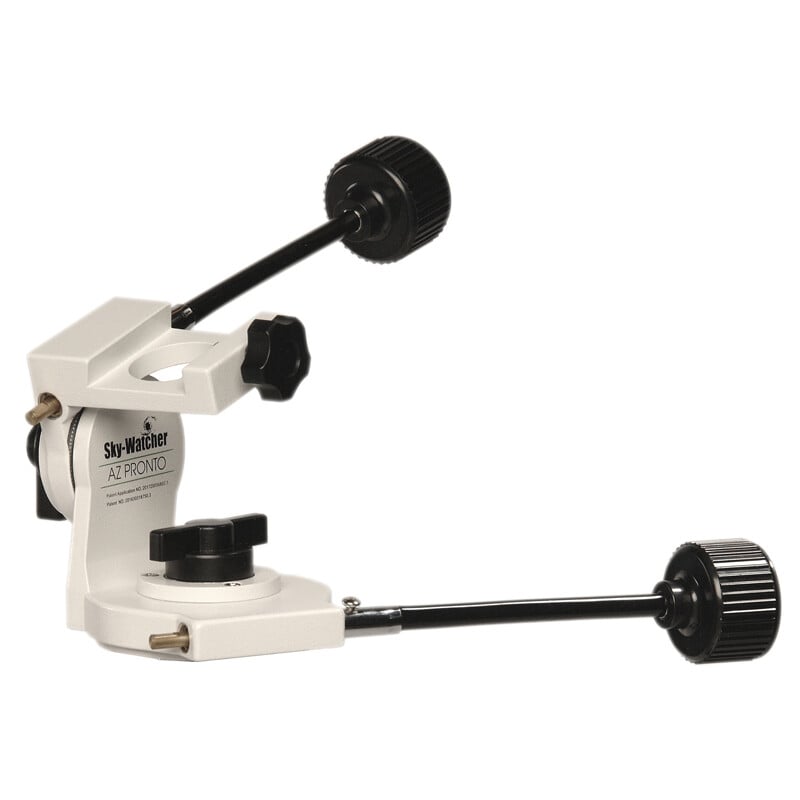
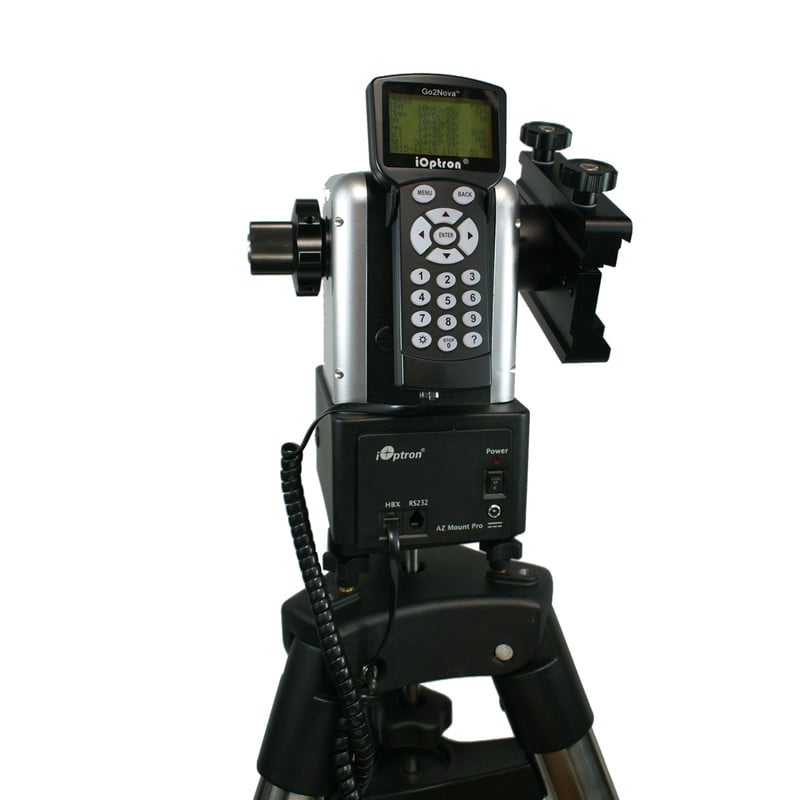
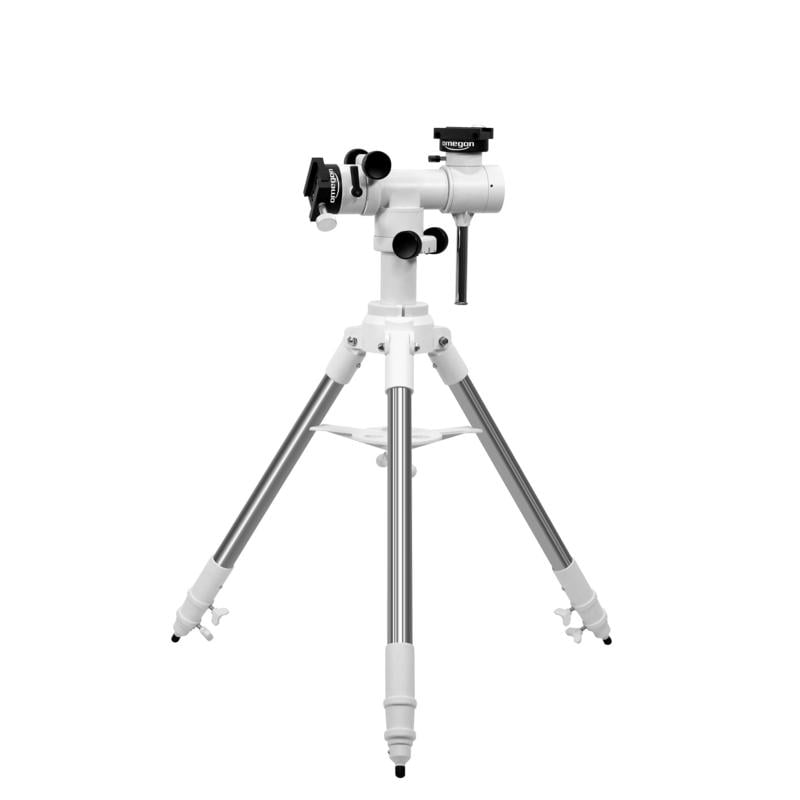
The Altazimuth mount is the simplest form of a telescope mount. It operates on two axes: elevation (Alt) and horizontal (Azimuth), similar to a camera tripod.
Visual simplicity: For the 'viewer' who wants to quickly set up their telescope outside to admire the Moon or planets, this is the ideal system. No complicated polar alignment needed; set it up and look.
Dobson mounts: A specific form of the Alt-Az mount is the Dobson. This is a wooden box that rests on the ground and can carry huge Newton telescopes with maximum stability for minimal cost.
Limitations: For long-term astrophotography, standard Alt-Az mounts are less suitable because of image rotation. Because the mount does not 'tilt' the arc of the stars like the Earth does, the object slowly rotates in your field of view.
2. Equatorial Mounts (EQ): The Photographer's Gold Mine
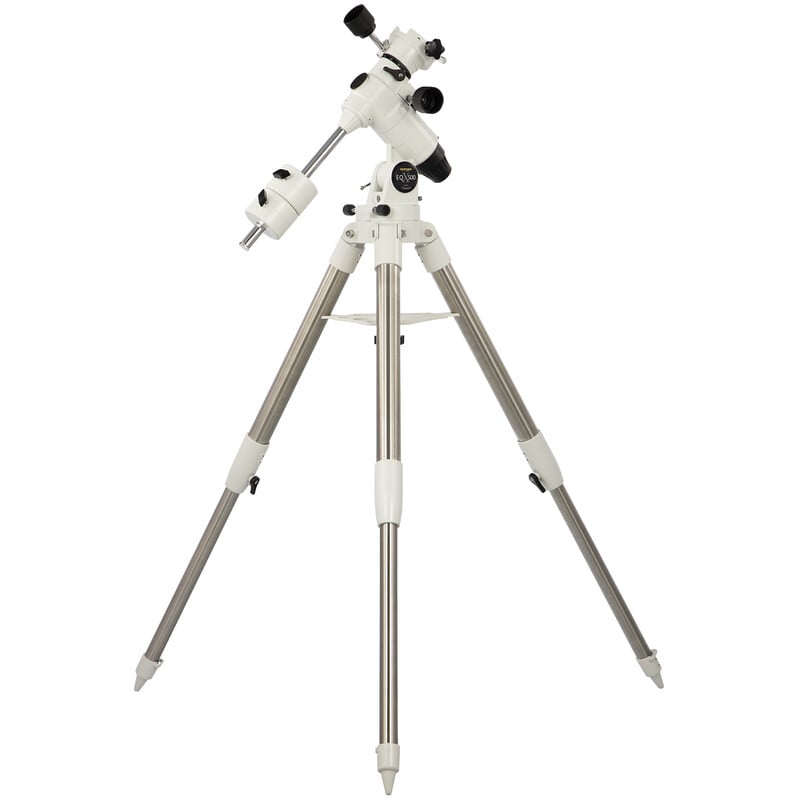
The EQ Mount is designed to perfectly neutralize the earth's rotation. By placing one axis parallel to the Earth's axis (aligned with the pole star), the mount can follow the starry sky with a single motion.
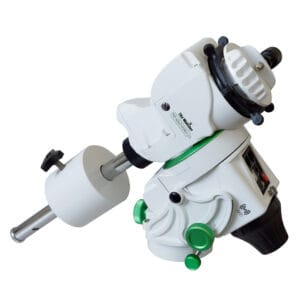
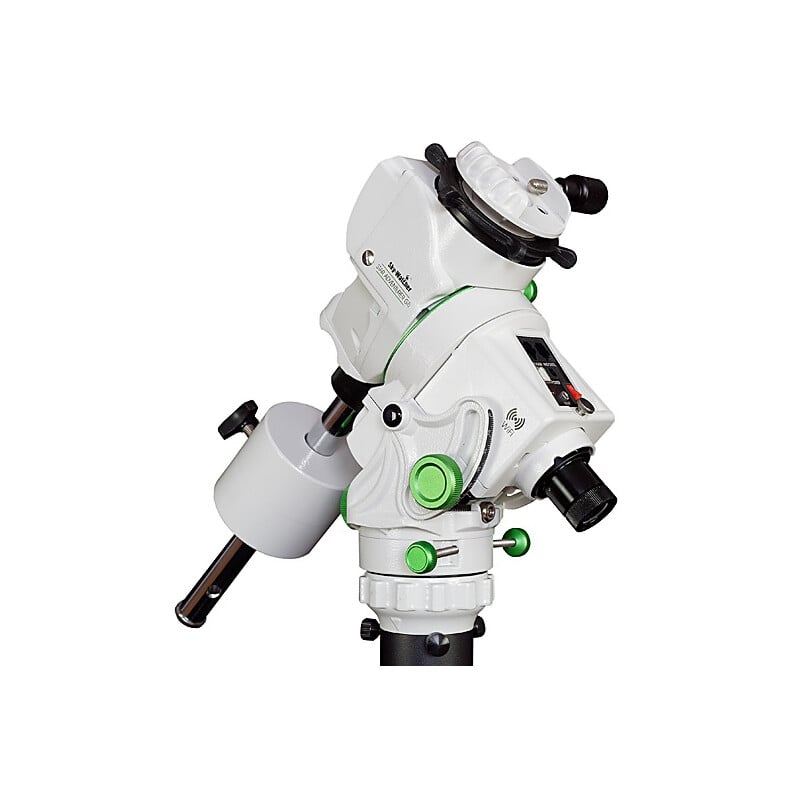
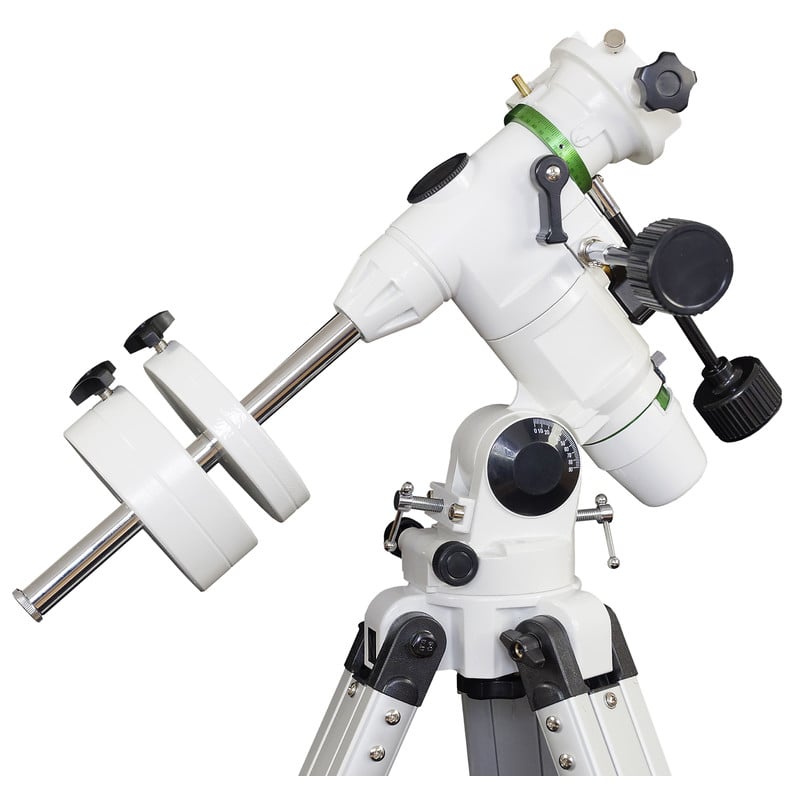
German Equatorial Mounts (GEM): The classic choice with counterweights, such as the Sky-Watcher EQ6-R Pro. These offer the highest stability for heavy telescopes.
Harmonic Drive (Strainwave): The technology that took over the market in 2026. Mounts like the ZWO AM5N utilize robotics-derived gear trains. They are extremely light, require no counterweights for light payloads, and have virtually no backlash.
Application: Indispensable for deep-sky astrophotography requiring exposure times of several minutes.
3. Dual EQ and AZ Mounts: The Best of Two Worlds
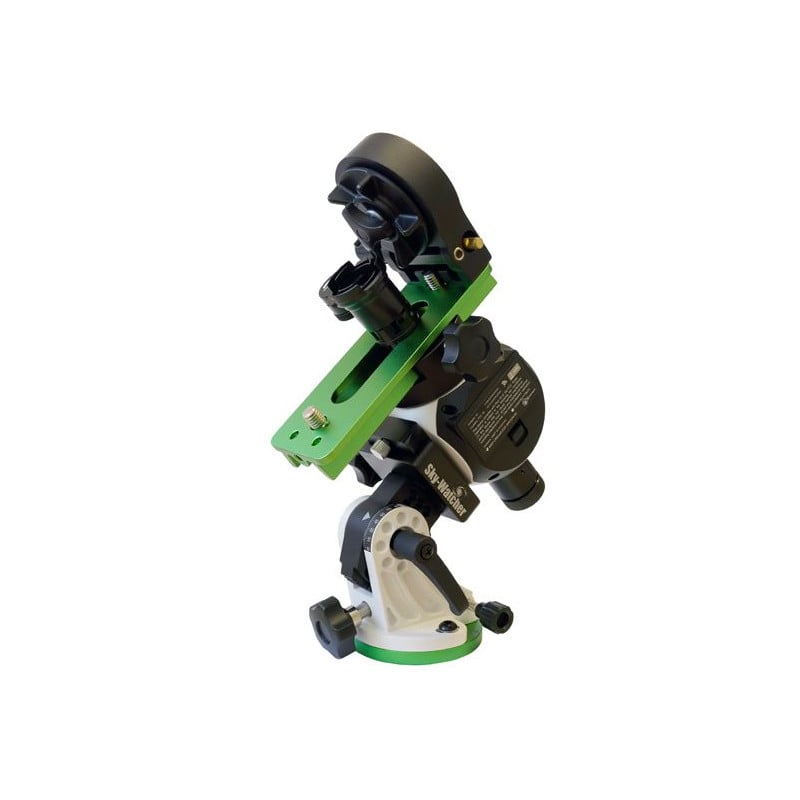
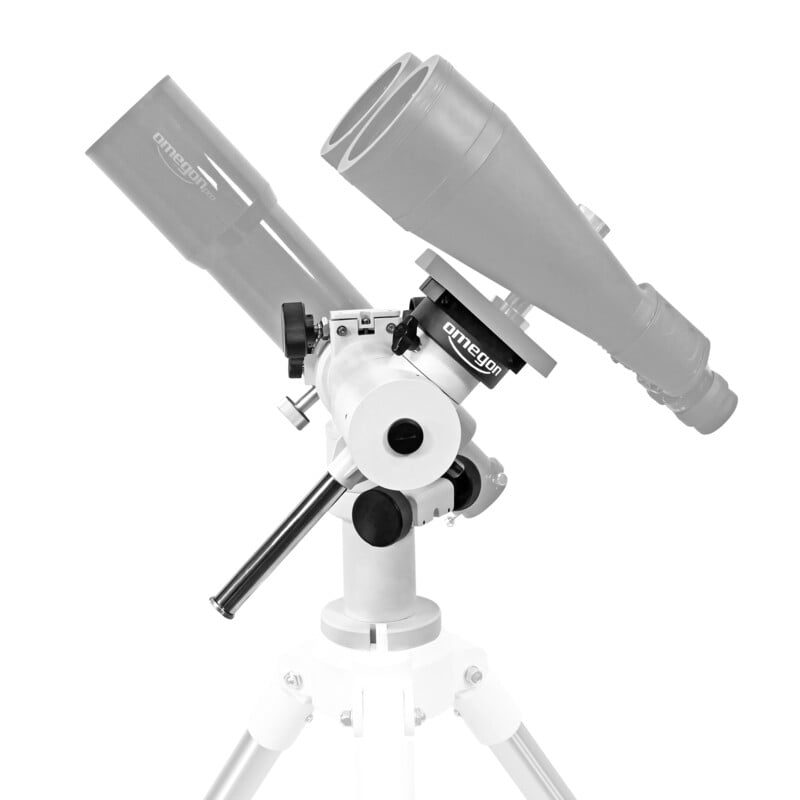
For those who cannot choose, there are the Dual EQ and AZ mounts. These systems can be converted. In Alt-Az mode you use them for a quick visual session or daytime landscape observation. With a simple tilt of the head you transform them to a full equatorial mount for serious photography. The Sky-Watcher AZ-EQ series is the textbook example of mechanical versatility here.
The Rise of Smart Mounts and Camera Tracking
In 2026, astrophotography will be more accessible than ever thanks to automation. We are seeing a clear shift towards 'Smart' integration.
Camera Tracking Mounts
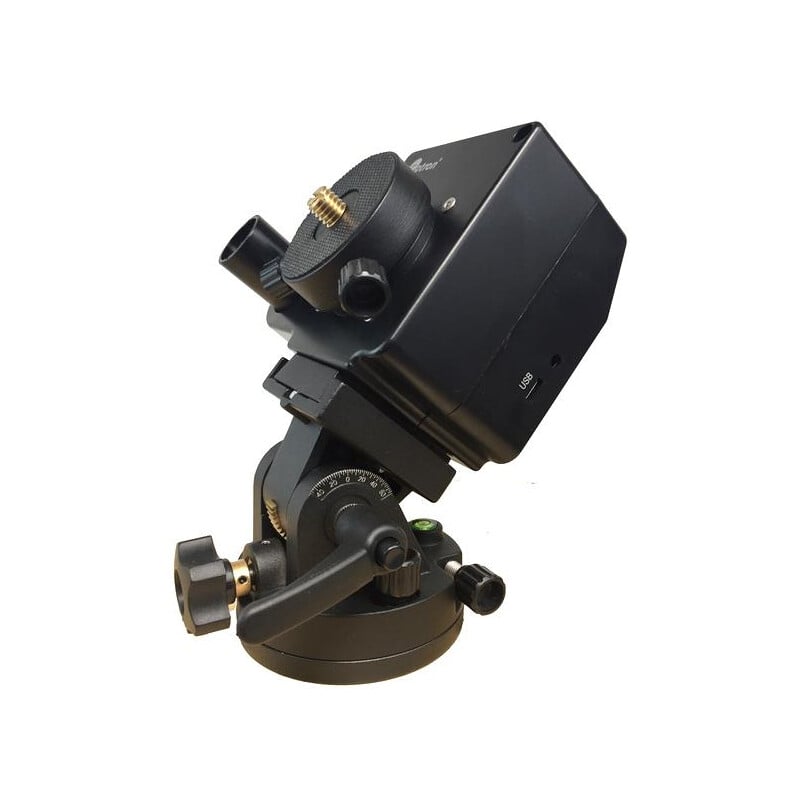
For the landscape photographer looking to capture the Milky Way with a DSLR or system camera, our Camera Tracking Mounts (such as the Star Adventurer or iOptron SkyGuider) the perfect balance of portability and precision. They are compact enough to fit in carry-on luggage and run on batteries, making them the ultimate partner for long-distance travel to dark locations.
GoTo and WiFi Control
Virtually every assembly on Telescoop.nl these days is a "smart" assembly. With the Mount Control: WiFi, GoTo & Controllers you control the telescope from the palm of your hand. Using apps such as ZWO's ASIAIR or SkySafari, you select an object on your smartphone, and the mount automatically moves to it. Plate solving technology then ensures that the object is centered exactly in the middle of your sensor.
Essential Support: Tripods, Columns and Accessories
A mount head is nothing without a solid foundation. In our category Mounting Accessories find the parts that give the finishing touch to your setup.
Tripods and Pillars: A good tripod should completely dampen vibrations within 1 to 2 seconds. For the mobile astronomer, we offer Tripods of carbon, which are extremely light but match the rigidity of steel.
Pier Extensions: When shooting with long refractors near the zenith (the highest point), the camera can hit the tripod legs. Our Pier Extensions & Tri-piers Solve this by creating extra height and space for the 'meridian flip'.
Pole Searchers: For perfect EQ adjustment, a polar finder is indispensable. In 2026, we often use the Polar Finders & Polar Alignment Tools, where electronic cameras have replaced traditional glass plates for previously unimaginable precision.
How to choose the right mount? (The 3-Step Method)
At Telescoop.nl, we always advise customers based on their specific "imaging train" or visual setup. Please take the following factors into account:
The Payload (Carrying Capacity): For visual use, you can load the mount up to its maximum specification. For astrophotography, we follow the '50% rule': if a mount can support 10 kg, we recommend not exceeding 5 kg to 7 kg for photography. This gives the motors the leeway to make small corrections (guiding) at lightning speed without causing mechanical stress.
Portability versus Stability: A heavy Sky-Watcher EQ8-R is a beast of a mount for a fixed observatory, but you don't take it on vacation. Looking for mobility? Then look at the Harmonic Drive options or the light Alt-Az mounts.
Future-proofing: Buy a mount growing up. If you have a small refractor now but dream of a larger Omegon Pro APO, choose a mount with some extra breathing room right away.
Why Telescoop.nl is the Authority in Mountings
Astrophotography is a sport of marginal gain. A fraction of a millimeter of play in a gear can ruin a 10-minute shot. This is why we only carry brands that have earned their spurs in the cold, damp nights of the Benelux. Our experts test systems from ZWO, Sky-Watcher, Omegon and iOptron.
We sell not only the mount, but the whole ecosystem. From the Counterweights to the Tracking Motors and the Dovetail Plates; every component in our shop has been selected to work seamlessly together.
Whether you are looking for a simple mount for your first steps in astronomy, or want to expand your setup with an advanced Polar Wedge for your camera tracker; at Telescoop.nl you will find the technical expertise and hardware to keep your view of the universe steady and sharp. Explore our full range and experience what a really solid base does for your passion for the night sky.