The starry sky of October 2026 features Saturn in opposition, a moonless window around October 10, Jupiter and Mars in the morning, and the Orionids. This is your viewing guide for the month.
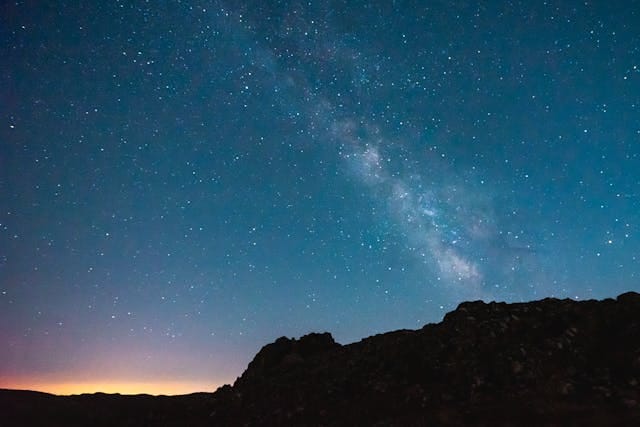

The starry sky of October 2026 features Saturn in opposition, a moonless window around October 10, Jupiter and Mars in the morning, and the Orionids. This is your viewing guide for the month.

When is the next lunar eclipse that can be seen from the Netherlands and Belgium? All upcoming dates up to and including 2029, explanation of the blood moon, and tips for viewing the eclipse with the naked eye, binoculars, or telescope.
The September 2026 starry sky offers early falling darkness, Saturn on its way to opposition, Neptune at its best, and a wonderfully dark moon window around September 11. This is your viewing guide for the month.
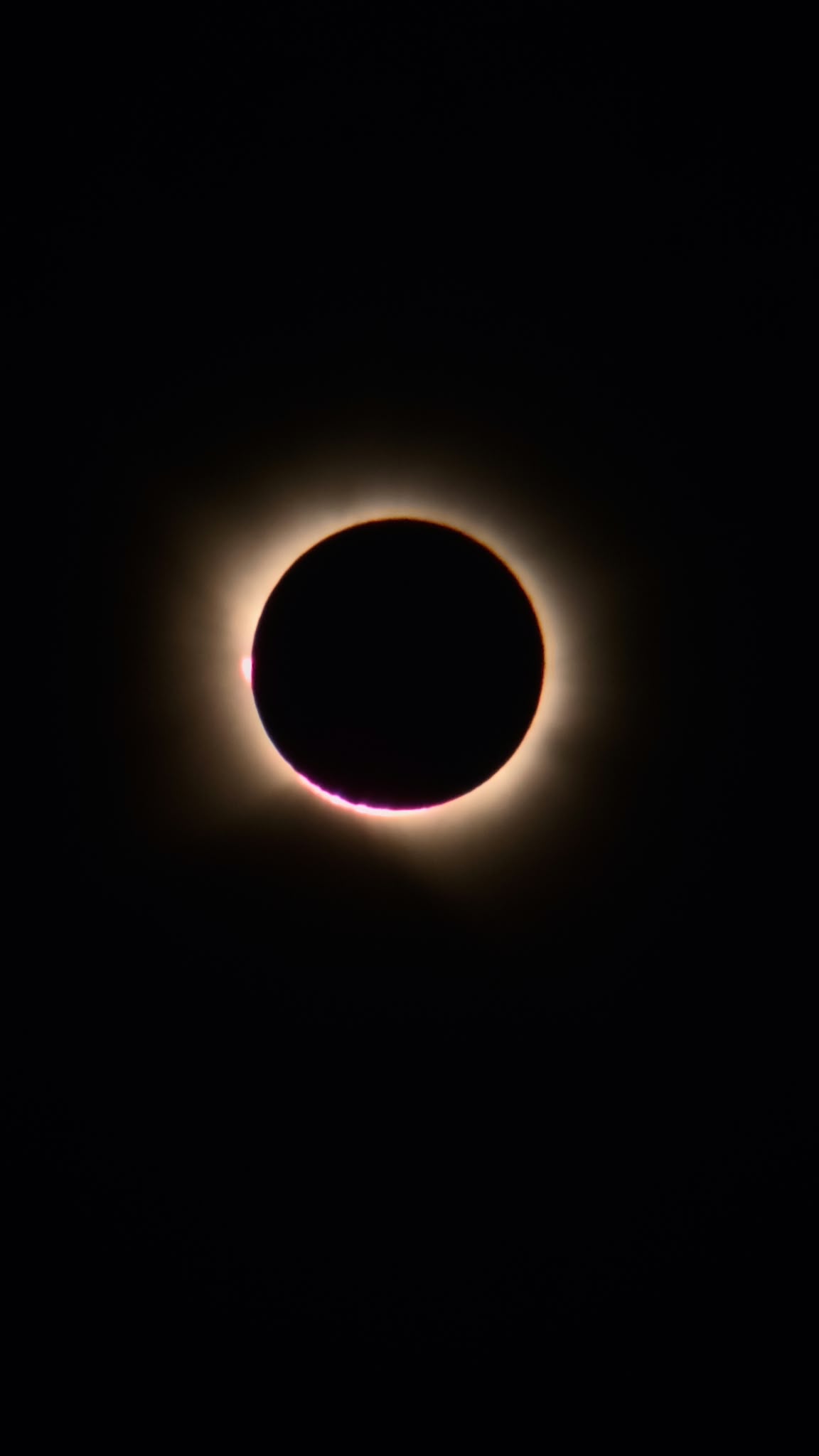
The next solar eclipse is on August 2, 2027: partial in the Netherlands and Belgium, total in southern Spain and North Africa. Everything about times, visibility, and safe viewing.
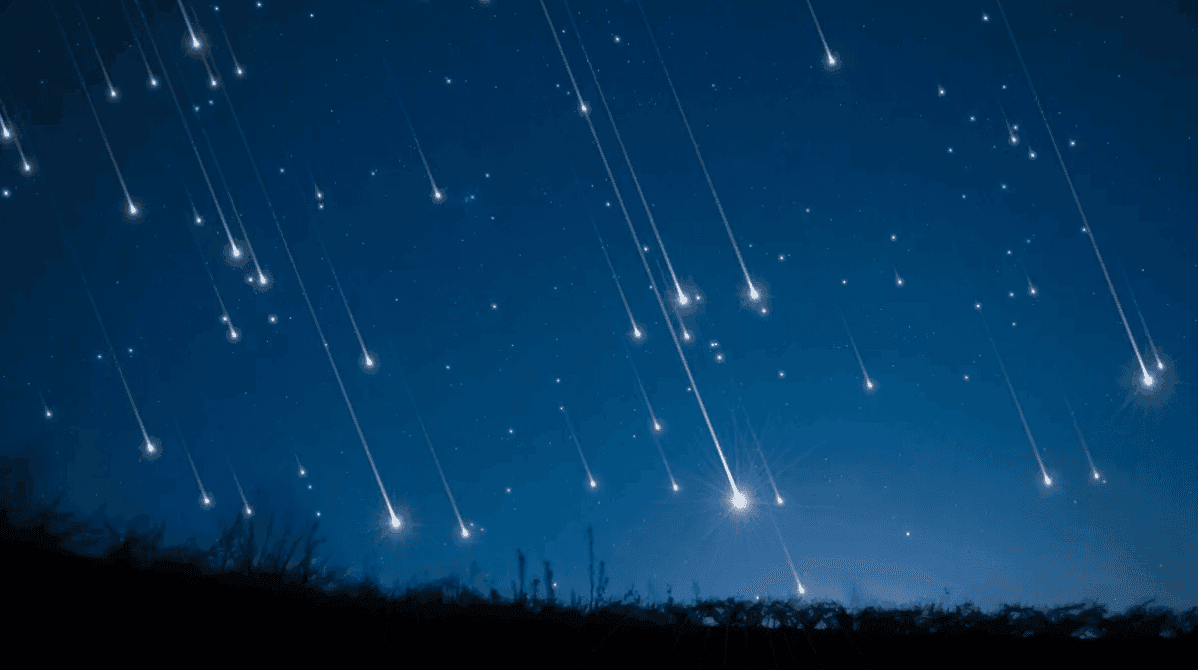
The Perseids peak every year around August 12 and 13. When should you watch in 2027, where should you be, and do you need a telescope? Everything is in this guide.

The stars and planets in April 2026 mark a particularly turning point for anyone who likes to look up. As iconic winter constellations such as Orion and Taurus finally disappear beyond the western horizon, a window opens to the deep universe that often remains hidden during the humid summer months. For owners of a Dobson [...]

Starry Skies February 2026 offers a unique window for anyone who takes visual astronomy seriously, or has a passion for the night sky! As winter slowly turns into spring, the northern hemisphere's most iconic objects are in their best positions. For owners of a Dobson telescope, this is a month [...]

What makes the February 2026 planetary alignment so special? The February 2026 planetary alignment is one of the most striking planetary conjunctions of this decade. On and around Feb. 28, 2026, six planets are on the same side of the Sun at the same time, making them appear in the evening sky, as seen from Earth, within one wide arc. What [...]

The January 2026 starry sky: recognizable, and lots happening! The January 2026 starry sky brings one of the most recognizable celestial scenes of the year. As soon as darkness falls, a backdrop forms that almost every stargazer instinctively recognizes: Orion in the south, the Pleiades high in the east, Auriga and Gemini above you, and in [...]

Very occasionally, an object appears at the edge of our solar system that breaks through everything we are used to. 1I/ʻOumuamua did it in 2017. 2I/Borisov did it again in 2019. And in 2025 it will happen for the third time: 3I ATLAS, a visitor from outside our solar system, will pass by. Since its discovery on [...]
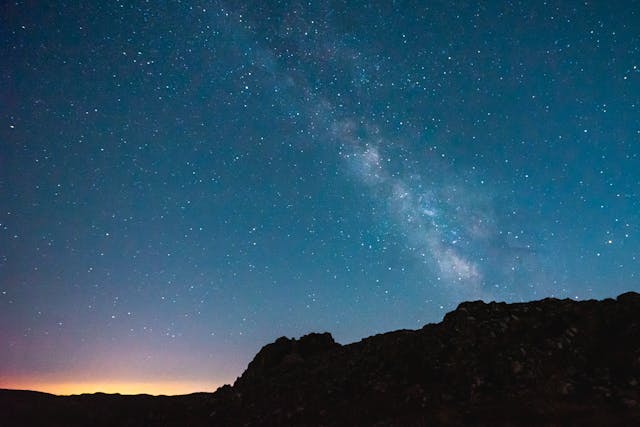
The night sky December 2025 is one of the richest skies of the year. The nights are long (and cold), the light of the winter sky is bright, and many of the best-known constellations climb high above the horizon. Those who go outside in December (if all goes well, most do) notice how quickly darkness falls [....]
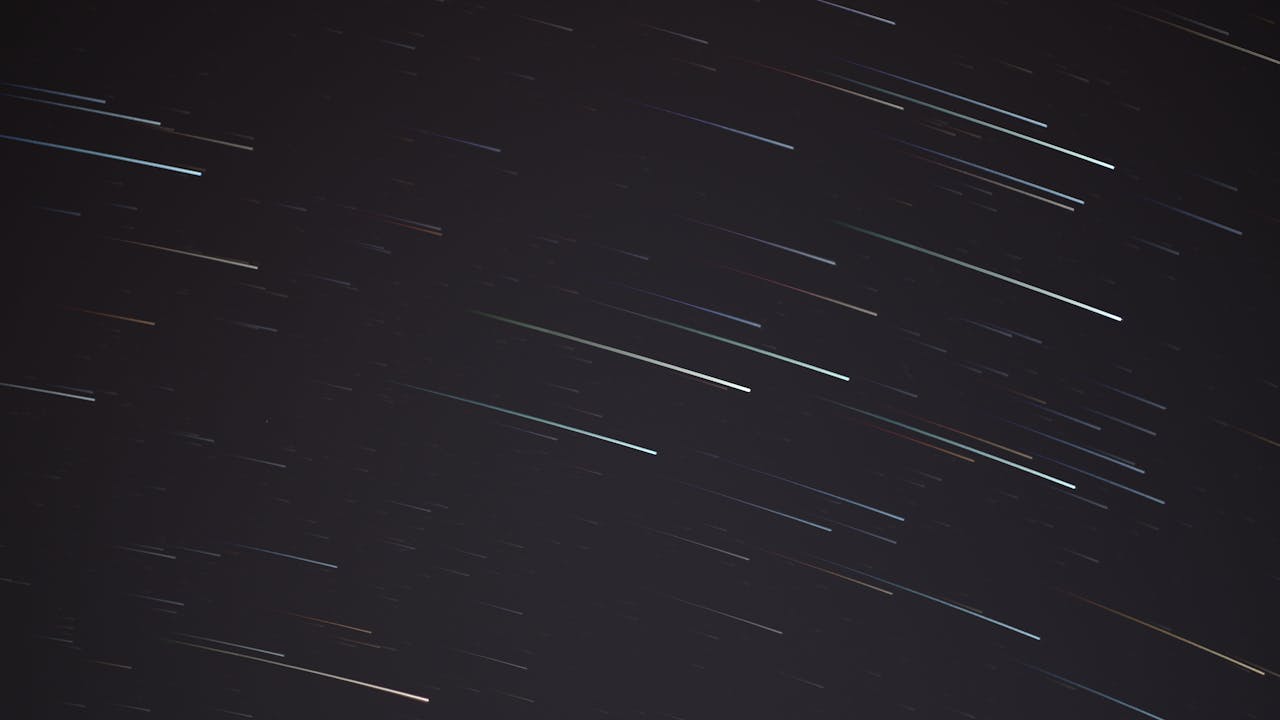
The night sky November 2025 is one of the most varied of the year. The days are getting shorter, the nights longer and darker. This is the time when autumn slowly turns into winter and the sky becomes full of bright stars, striking planets and shooting stars. Those who take the time now to [...]