
Telescopes
Browse our wide selection of telescopes for sale at the best prices.
At Telescoop.nl, you’ll find
over 100 models in stock
—ranging from the latest
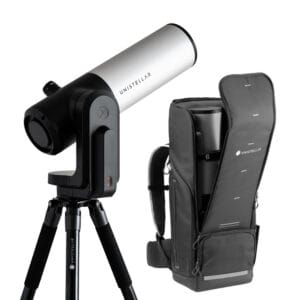
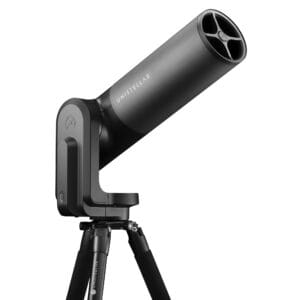
smart telescopes
to advanced tracking mounts and classic refractors.
Our dedicated Gear Experts are here to help you find the right telescope that aligns with your goals and ensure you have the best experience possible under the night sky.
Why choose us?
• Official Dealer & Lifelong Support: Benefit from the security of an authorized dealer and lifetime technical support for your setup.
• Expert advice from amateur astronomers in perfect English: Get clear, non-commissioned guidance from astronomy enthusiasts without any language barriers.
• Astronomy Knowledge Base: Need help choosing? Explore our extensive astronomy knowledge base and comprehensive buying guides to find your perfect match.
Are you having trouble with it? Check our Best telescope for beginners Dogs, get in touch or visit by appointment!
Showing 121–140 of 494 resultsSorted by popularity


- 4.699,00 Select options This product has multiple variants. The options may be chosen on the product page
- Price range: 2.599,00 through 2.958,00 Select options This product has multiple variants. The options may be chosen on the product page
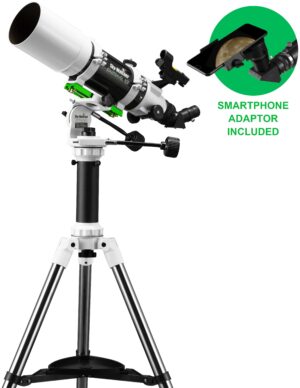
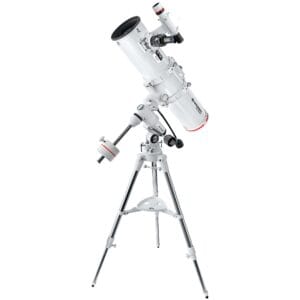
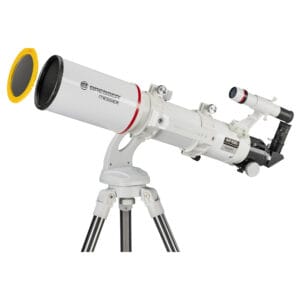
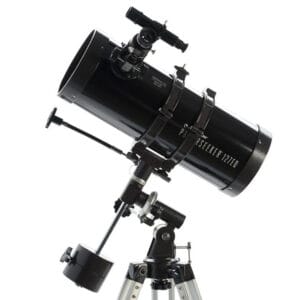



Showing 121–140 of 494 resultsSorted by popularity
Buying a telescope at Telescoop.nl | Additional information before you buy
When you decide to make a buy telescope, you step into a world of optical precision. Choosing the right system determines not only what you see, but also how often you’ll actually use the telescope. At Telescoop.nl, we believe that the "best" telescope is the one you take outside most often. That’s why we help you understand the technology based on your personal goals.
Lenses or mirrors: Which system suits you?
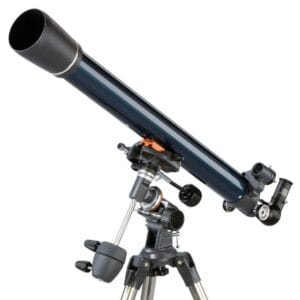
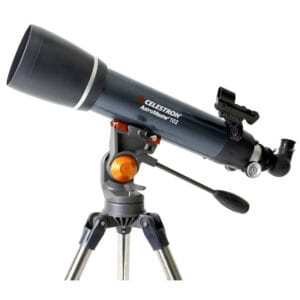
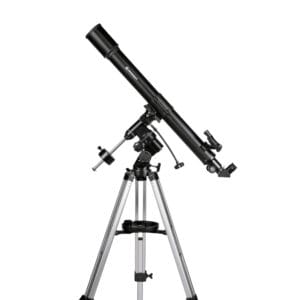
The battle between the refractor (lens viewer) and the reflector (mirror viewer) is centuries old. A refractor is often the first choice for those seeking a low-maintenance entry. Thanks to the closed tube, you are hardly bothered by dust or air turbulence, resulting in an extremely high-contrast image. This makes them ideal for studying the Moon and planets. For the demanding astrophotographer, there are apochromats (APOs), which completely correct color aberrations for a crystal-clear result.
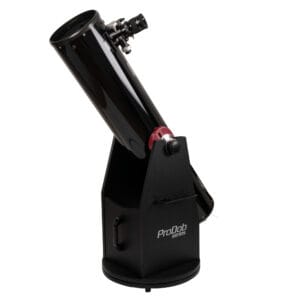
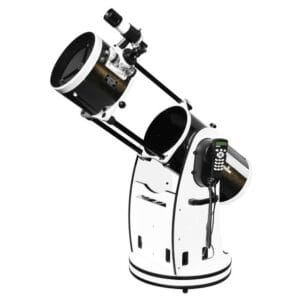
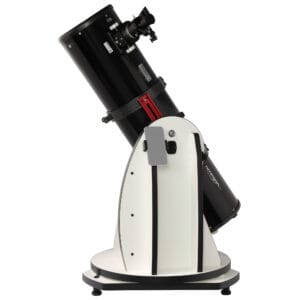
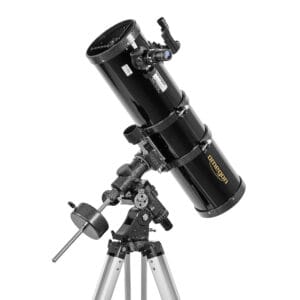
But are you looking for the most "bang for your buck"? Then a reflector unbeatable. Because mirrors are cheaper to produce than lenses, you can buy a much larger telescope for the same budget that makes dim deep-sky objects such as distant nebulae and galaxies visible. The Newton reflector is the classic here, while the Dobson telescope beloved for its uncomplicated stability and enormous light output.
Compact Power: The Catadioptric Systems
For those who value portability without sacrificing performance, catadioptric telescopes (like the Schmidt-Cassegrain) are the ultimate solution. By combining lenses and mirrors, the light path is "folded." This gives you a telescope with an enormous focal length in a surprisingly short tube. This system is the preferred all-rounder for both visual observers and photographers seeking a portable yet powerful setup.
The rise in popularity in smart telescopes
The latest trend for anyone looking to buy a modern smart telescope is the smart scope. Brands like Seestar and Dwarf have completely eliminated the steep learning curve of astrophotography. These fully automated setups do all the heavy lifting: they align themselves, track deep-sky objects using GPS, and stack the images live on your smartphone.Whether you opt for the powerful Dwarf 3 or the ultra-portable Dwarf Mini smart telescope, it is the perfect choice for tech lovers who want instant results without hours of polar alignment and technical setup.
What should you pay attention to when purchasing?
The most critical specification when buying a telescope is its lens opening (aperture). The larger the aperture, the more light you gather and the more detail you'll see. However, keep in mind that a bigger telescope also means more weight. Think carefully about your observation site—do you need to carry it up a flight of stairs, or will it sit directly in your backyard? Additionally, the mount is just as important as the optical tube itself. A shaky tripod will ruin the view through even the most expensive optics. For astrophotography, a rock-solid equatorial mount is absolutely essential to track the rotation of the Earth.