
Diagonals
Showing 21–40 of 42 resultsSorted by popularity





Showing 21–40 of 42 resultsSorted by popularity
What does a diagonal do?
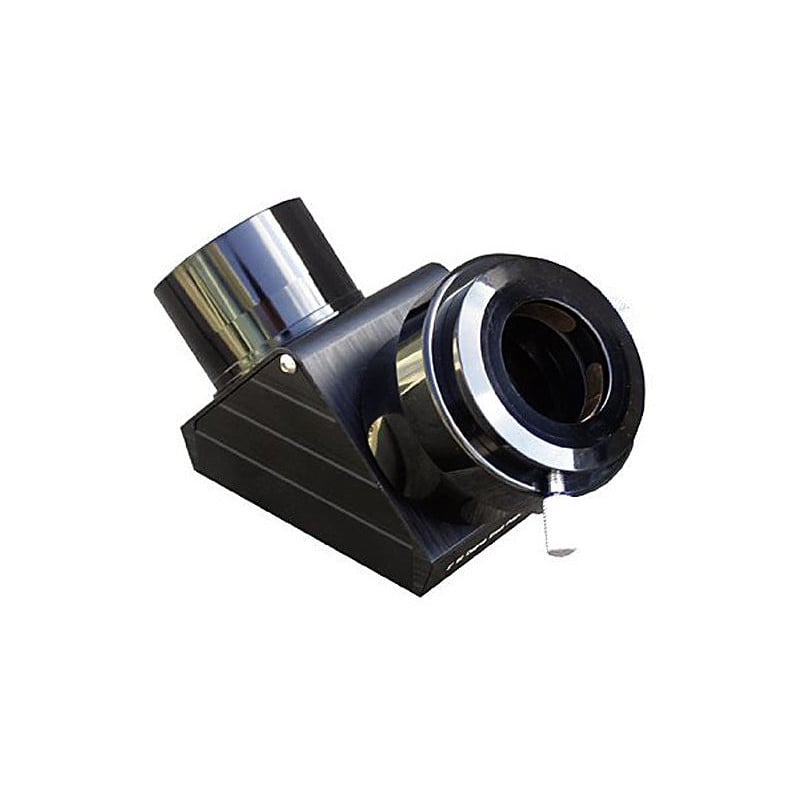
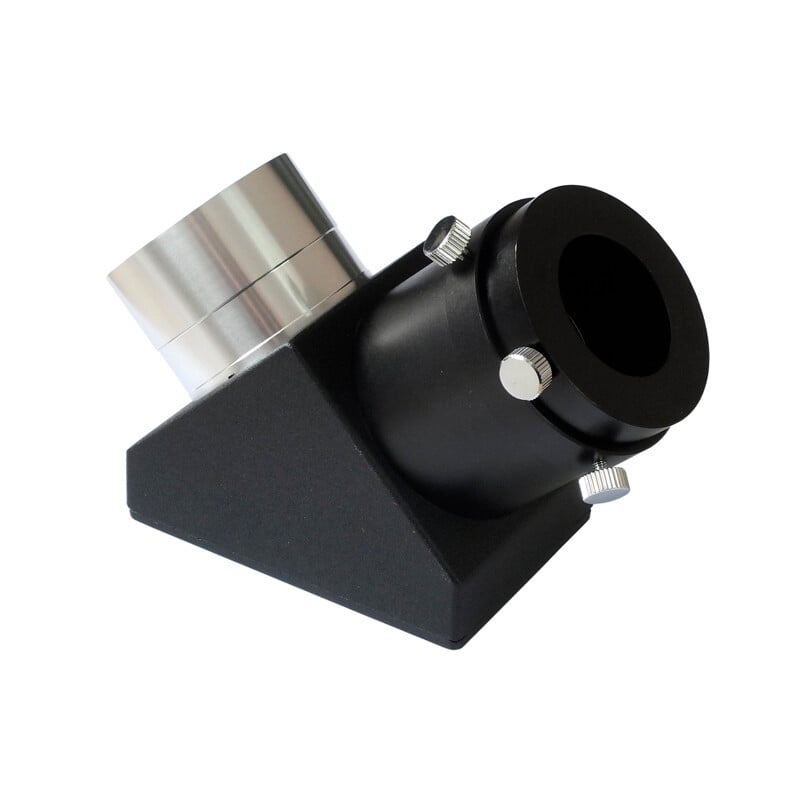
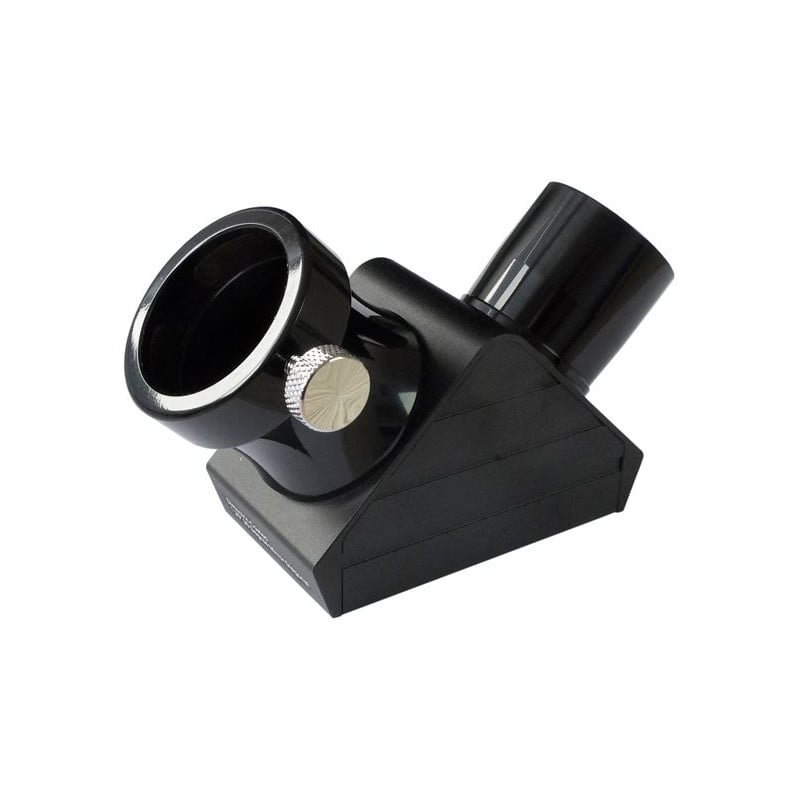
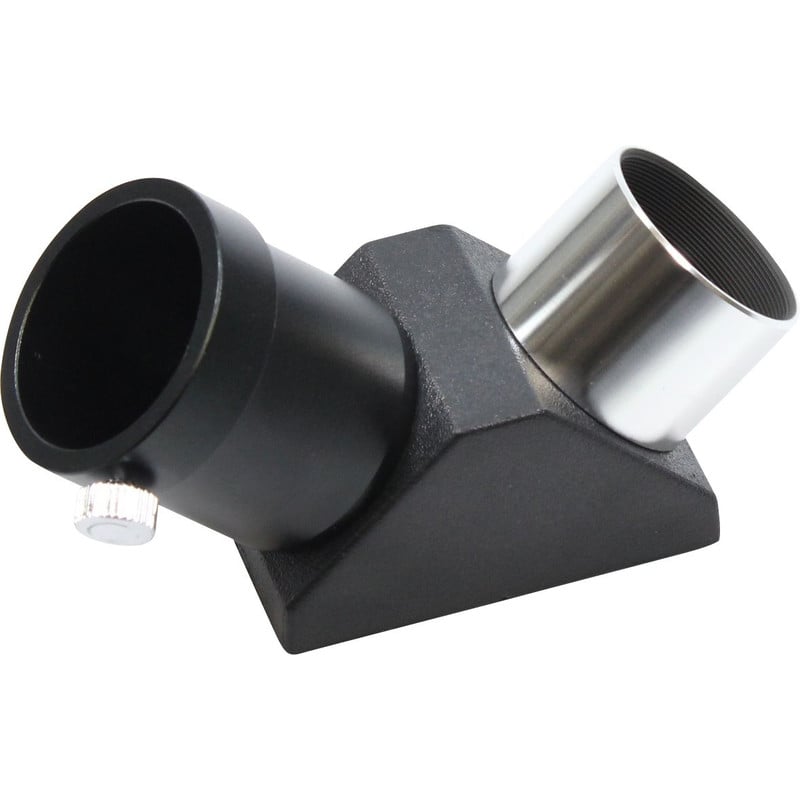
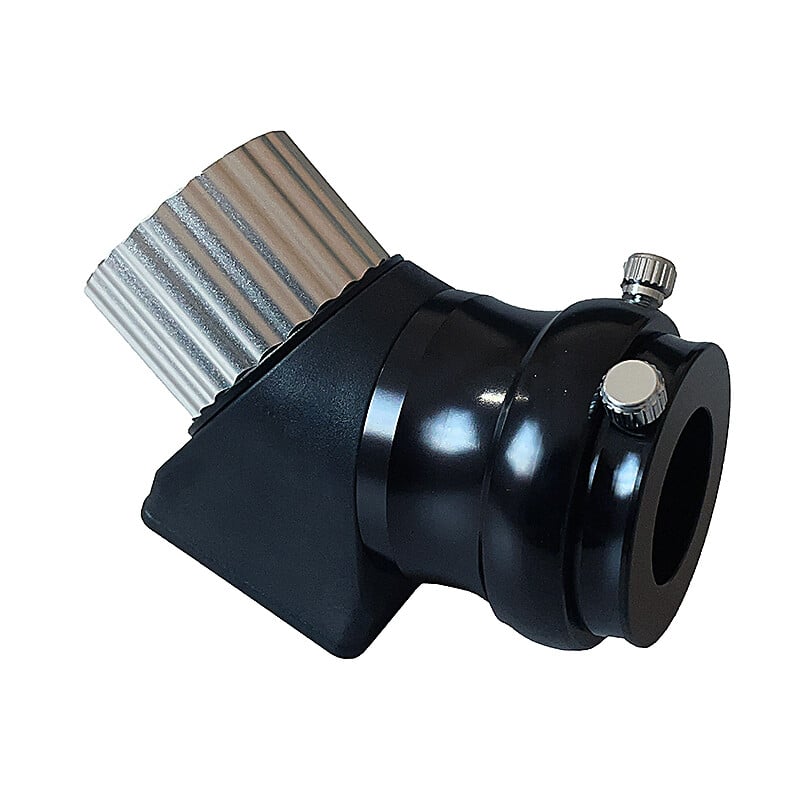
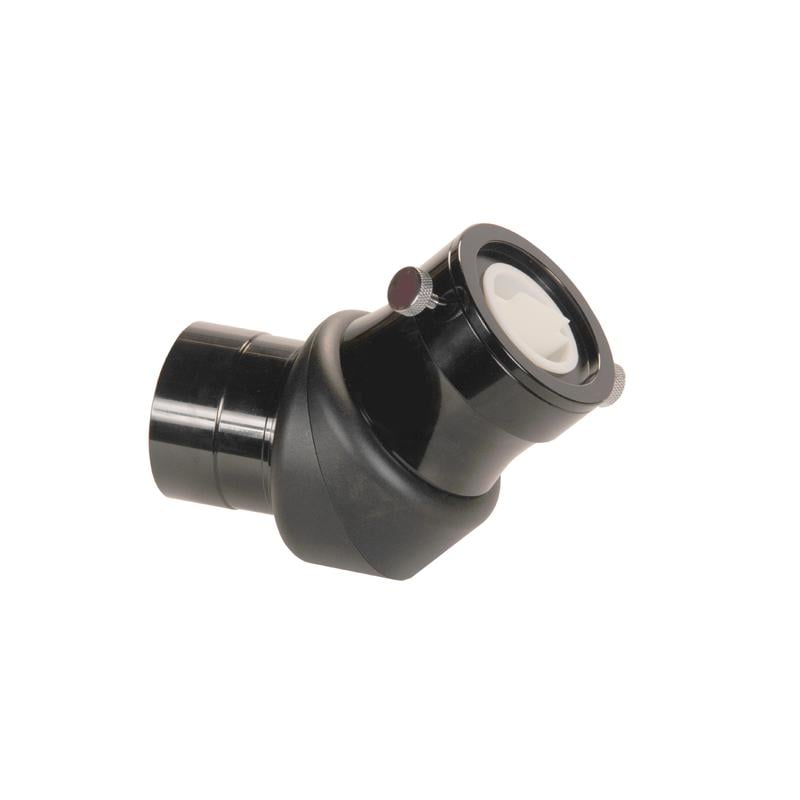
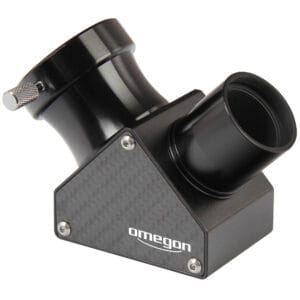
A diagonal is a mirror or prism that deflects light by 90 degrees. You place it between the telescope and eyepiece, allowing you to look from above instead of under the tube. Without a diagonal, looking straight up with a refracting telescope is hard on your neck.
You need a diagonal with a refractor, Maksutov or Schmidt-Cassegrain. With a Newtonian or Dobson, the eyepiece is already on the side of the tube.
A diagonal is also an optical component: its quality helps determine how bright and sharp your image is. Many telescopes come with a simple diagonal, and a better one is often a noticeable upgrade.
Mirror or prism?
Zenith mirror
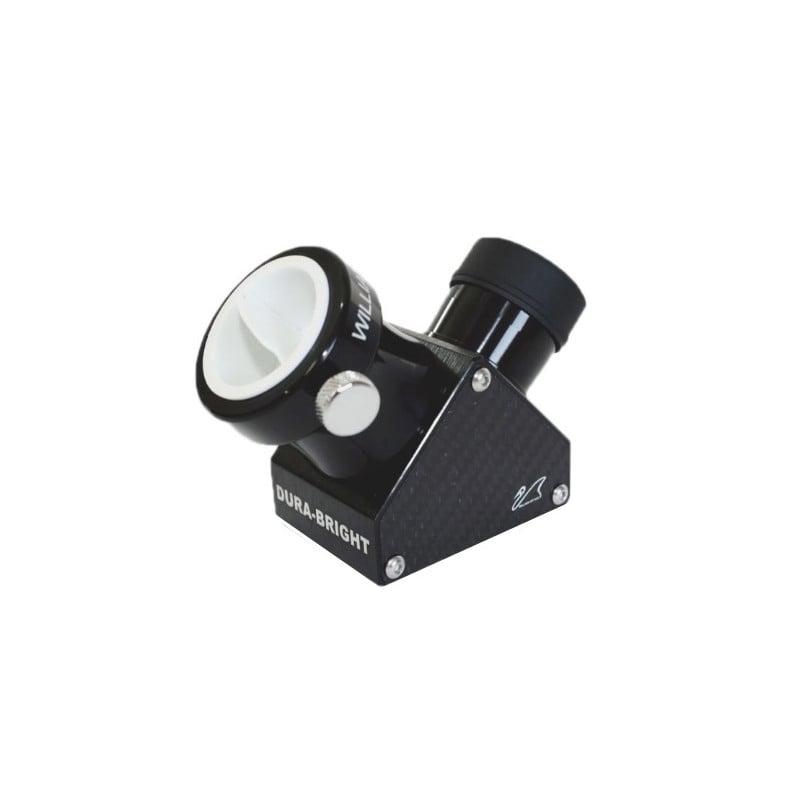
A zenith mirror It reflects the light via a flat mirror. A standard aluminum mirror reflects 85 to 90% of the light, while a dielectric mirror reflects up to 99%. That difference is especially visible in faint nebulae and galaxies.
Zenith prism
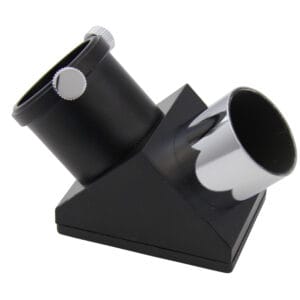
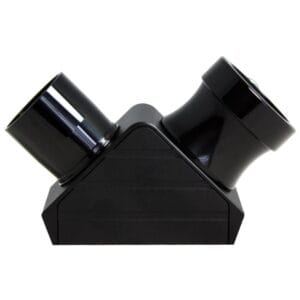
A star diagonal deflects light within a solid block of glass. There is no reflective layer that can wear out over years. On telescopes with a long brand focal length, such as a Maksutov, a prism works great.
Amici prism
An Amici prism provides an upright, unmirrored image. Ideal for daytime use, for landscapes and birds. It is less suitable for stars because bright stars get a streak of light through them. You can find them at erecting lenses.
What do you look out for with a diagonal?
Choose the size of your focuser: 1.25 or 2 inches. A 2-inch diagonal also fits wide-angle eyepieces with a wide field of view, and with a reducer also your 1.25-inch eyepieces.
A compression ring holds your eyepiece all the way around instead of with a single screw. The eyepiece is held more securely and the barrel does not get scratched.
Most 2-inch diagonals have filter threads on the telescope side. That way, you can leave a single filter in the diagonal while swapping eyepieces.
Frequently asked questions about diagonals
Will a 2-inch diagonal fit on any telescope?
Only if your telescope has a 2-inch focuser. Many Schmidt-Cassegrains come standard with a 1.25-inch connection, but you can upgrade using a 2-inch SCT adapter.
Why is my image mirrored?
An ordinary diagonal erects the image, but mirrors it from left to right. For stars, that does not matter. If you are looking at landscapes during the day, choose an amici prism.
Can I use a diagonal on a Newtonian?
No. With a Newtonian telescope, you look directly into the brand point from the side of the tube. Adding a diagonal makes the light path too long, and you will no longer be able to focus the image.