This is how to take sharp photos of the moon: with your phone behind the eyepiece, with a camera and telephoto lens, or with a camera on your telescope. With settings, the best time, and how to extract more detail from your shots.
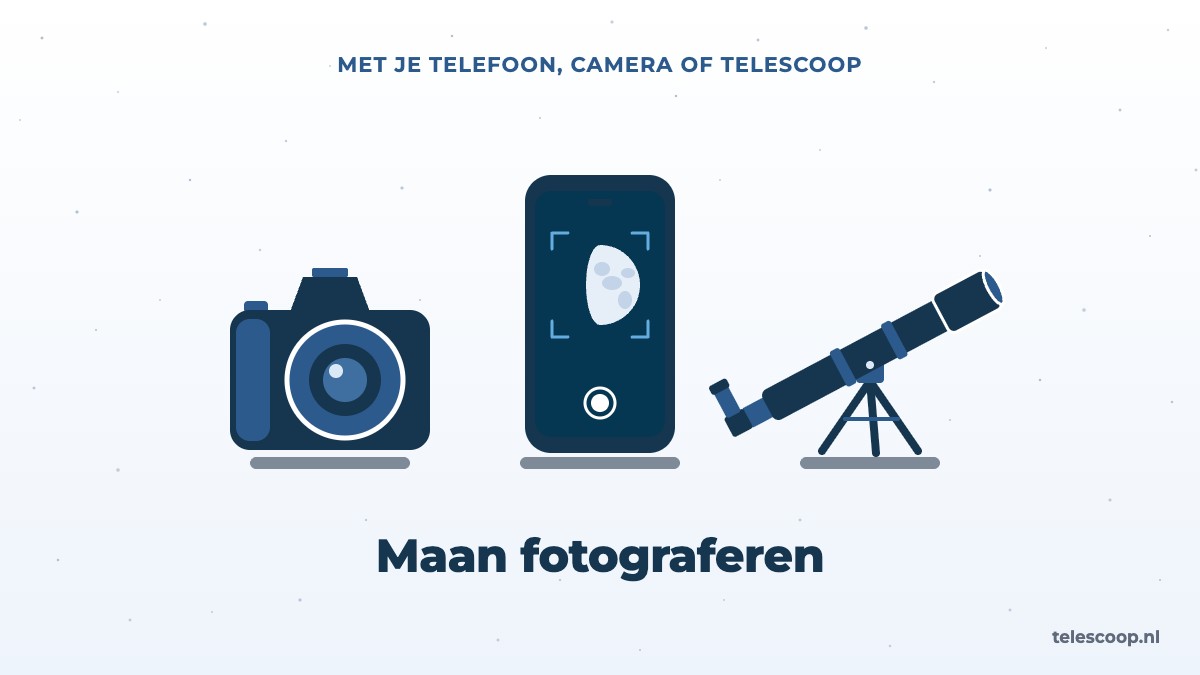

This is how to take sharp photos of the moon: with your phone behind the eyepiece, with a camera and telephoto lens, or with a camera on your telescope. With settings, the best time, and how to extract more detail from your shots.
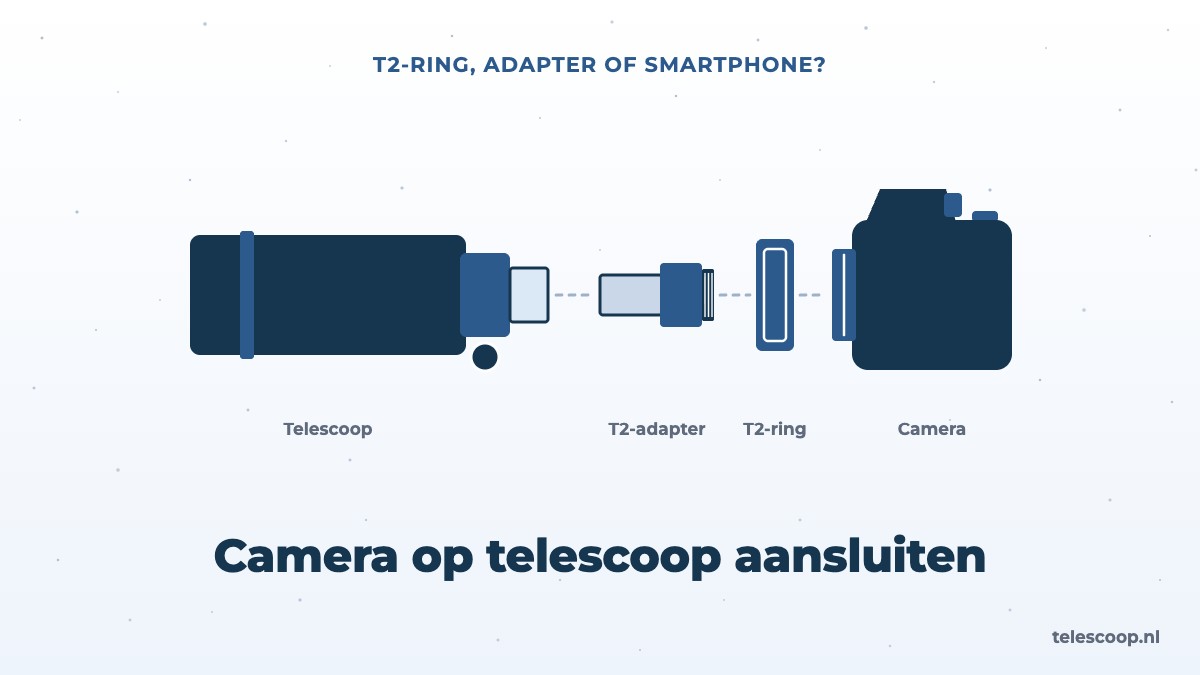
This is how you connect a camera to your telescope: your phone with a smartphone adapter, your DSLR or system camera with a T2 ring and adapter, or an astro camera. With the solution if your camera doesn't focus properly.
On Wednesday evening, August 12, the moon will pass in front of the sun for nearly 90%, marking the deepest solar eclipse over the Netherlands and Belgium in more than ten years. You can find all the details about the phenomenon itself, the times, and the best viewing locations on our event page about the 2026 solar eclipse. In this article, we’ll cover the other half of […]
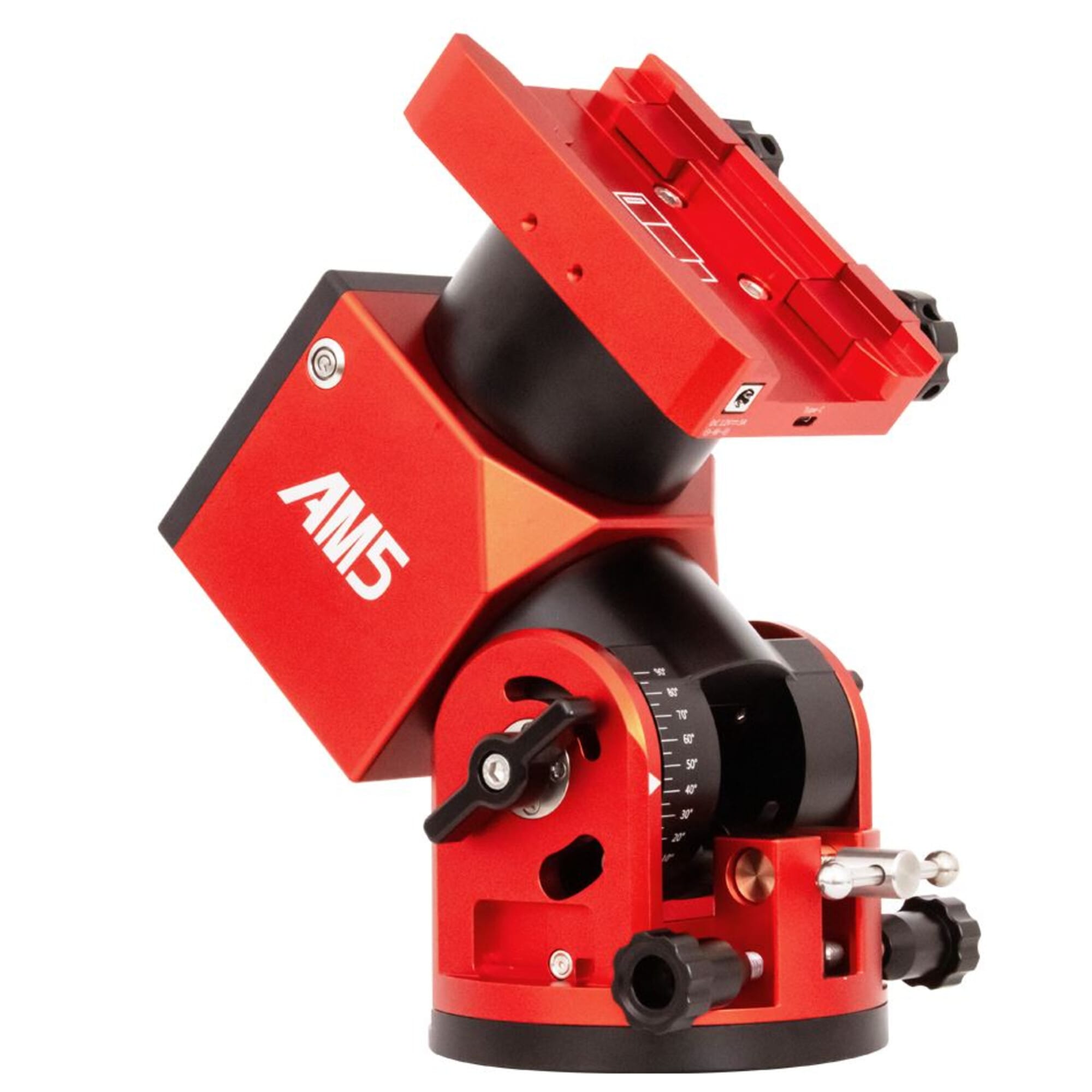
A telescope is as stable as the tripod and the mount it is mounted on. At 100x magnification, you can see every vibration 100 times magnified. In this explanation, you will learn what the difference between a tripod and a mount is, what types there are, and what to look for when choosing one. Compare it to […]
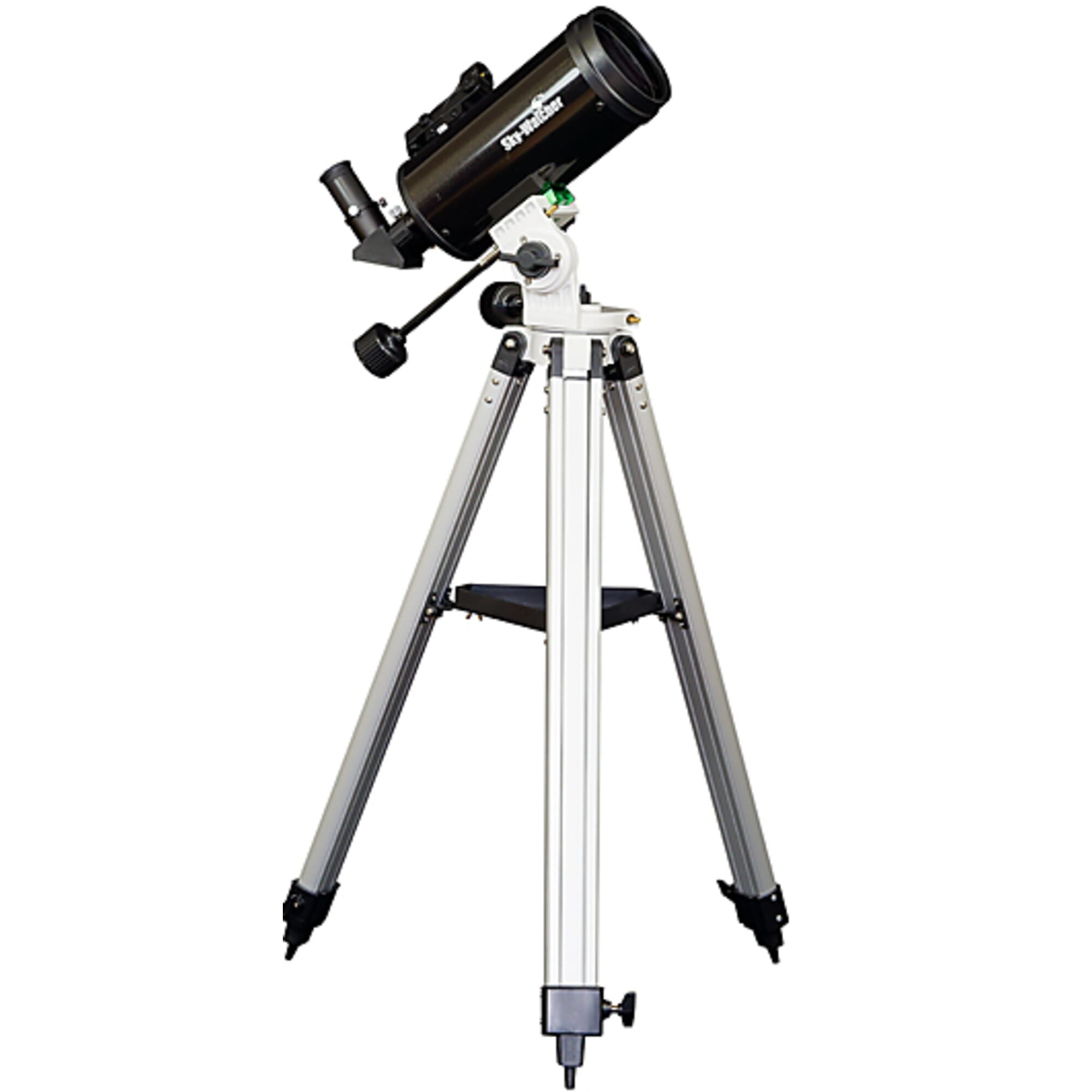
Often customers call us asking ‘why can't I see anything through my telescope? Every beginner knows the moment: you set everything up, aim expectantly at the moon or Jupiter, look through the eyepiece ... and see nothing. No star, no light, just black or fog. It's frustrating, but perfectly normal. Even experienced observers [...]
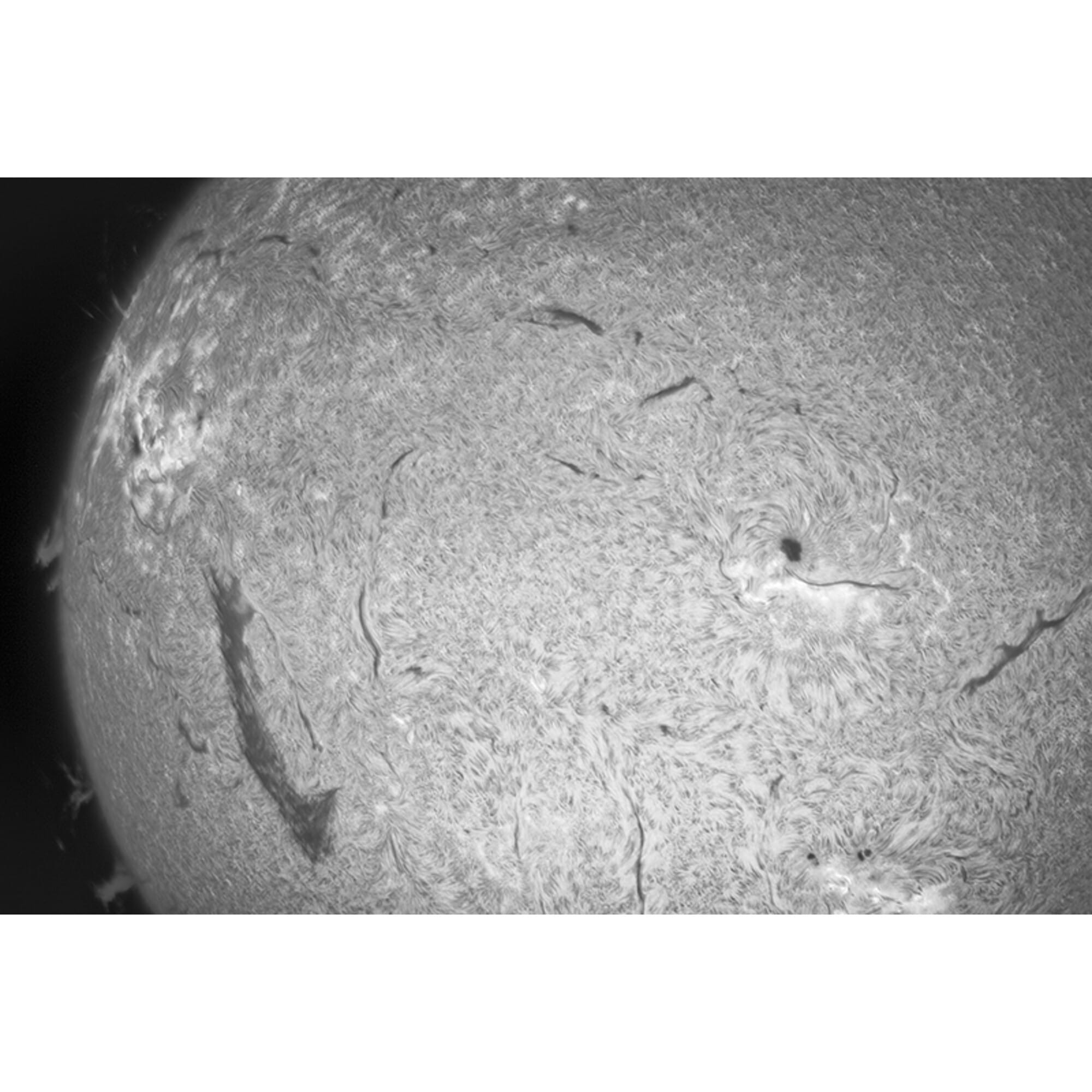
You've just spent a night photographing: dozens or hundreds of subs of a nebula, galaxy or cluster. You see on your camera screen a beautiful image, but still full of noise. You want to share it with your friends/family/acquaintances/astro-community.... The magic happens only now ... behind your laptop or computer. With the right astrophotography software explanation [...]

Seestar S50 Tips from Telescoop.nl The Seestar S50 tips in this blog will help you get the most out of your smart telescope from day one. Whether you want to photograph the moon, stars or nebulae, with a few simple adjustments you'll see better results immediately. The Seestar S50 is designed for convenience, but small [...]
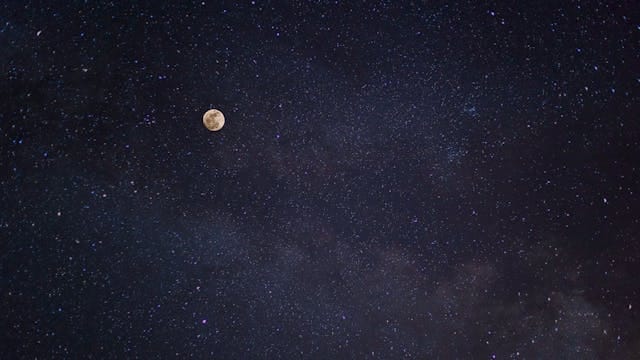
Star Photography Explained by Telescoop.nl Star photography is one of the most accessible and enchanting forms of stargazing. Basically, it requires very little: a dark sky, a camera or smart telescope, and a little patience. Yet almost everyone who begins soon finds that the results fall short of expectations. Stars are small, dim [...]
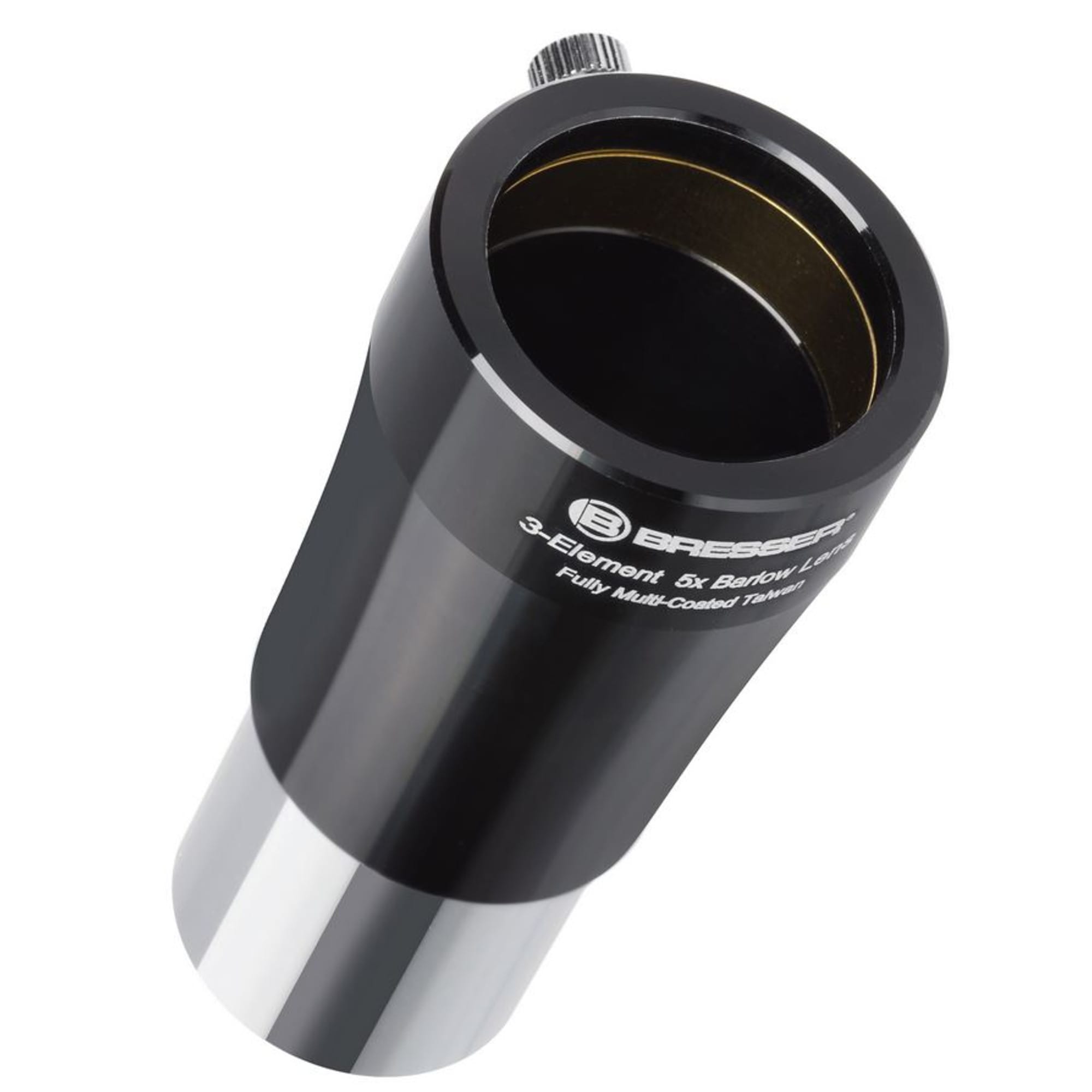
A Barlow lens telescope sounds to many beginners like a kind of magical accessory. You slide it between the eyepiece and the focus ring, and suddenly the magnification doubles or even triples. A 10 mm eyepiece that normally gives 100x magnification changes to 200x with a 2x Barlow. Handy, because it makes it seem as if you’re using a 100x telescope.

Viewing the Orion Nebula through a telescope is one of the most impressive experiences you can have as a stargazer. The Orion Nebula, also known as Messier 42 or M42, is a huge cloud of gas and dust where new stars are born. Even with a simple telescope you can see the characteristic foggy glow, while larger [...]
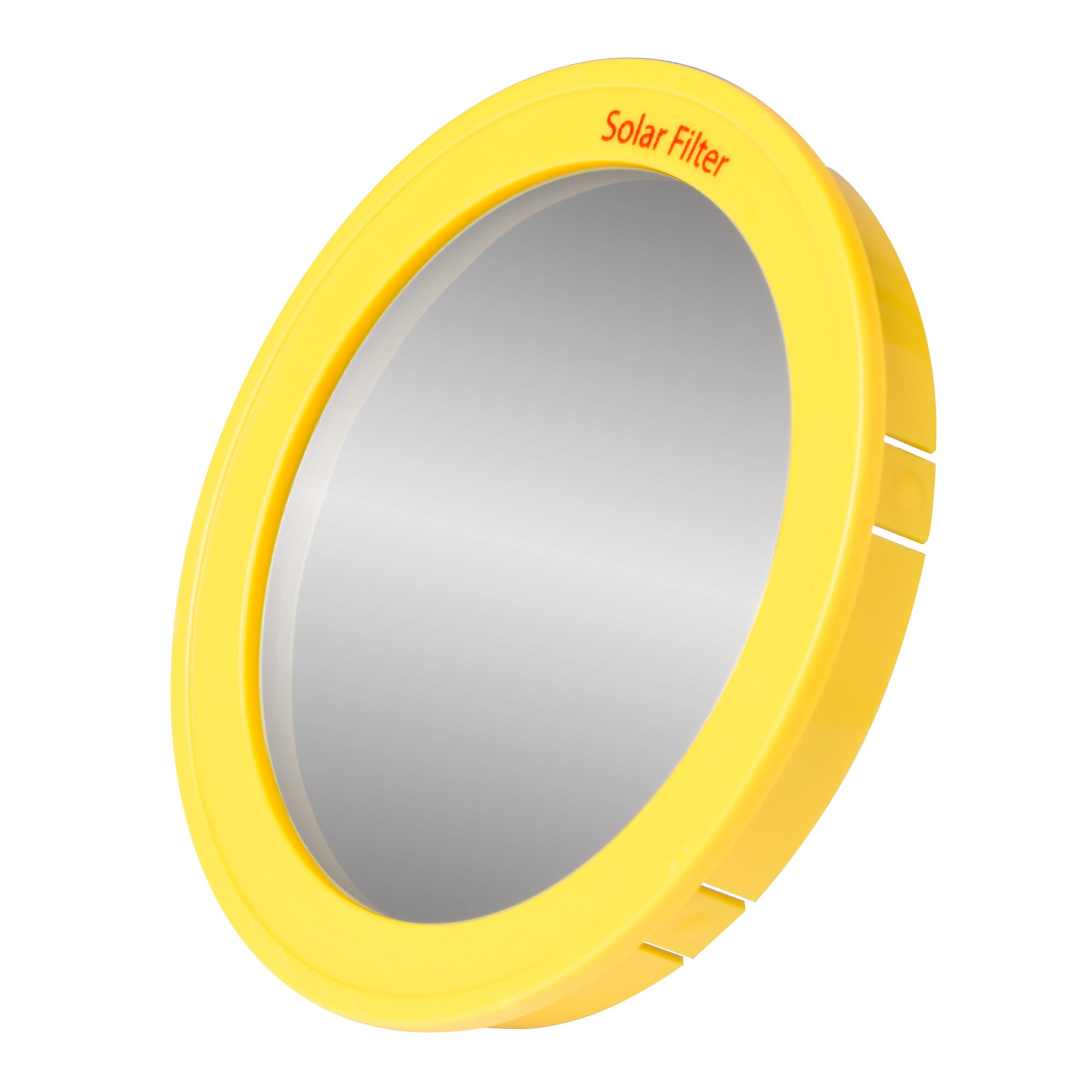
A solar filter telescope is indispensable if you want to observe the sun safely. In fact, without a good solar filter, it is life-threatening to view the sun directly through a telescope: your eyes can suffer permanent damage within fractions of a second. In this article you will read what a solar filter is, how to use it safely, which [...]

Viewing the Andromeda Nebula.... Anyone who sees the Andromeda Nebula for the first time immediately realizes how close and unimaginably large our neighboring galaxy actually is. At 2.5 million light years away, it is the furthest object you can still see with the naked eye. But through binoculars or a telescope, the Andromeda Nebula really comes alive. You see [...]