
Viewing the Milky Way is the most impressive “free show” in the night sky. You never see the entire spiral galaxy at a glance, it's ~100,000 light years in size but you do see the luminous band full of stars, nebulae and dark dust trails. With the naked eye you experience the grandeur; with a telescope you zoom in on star clusters, emission nebulae [...].
How-to guides
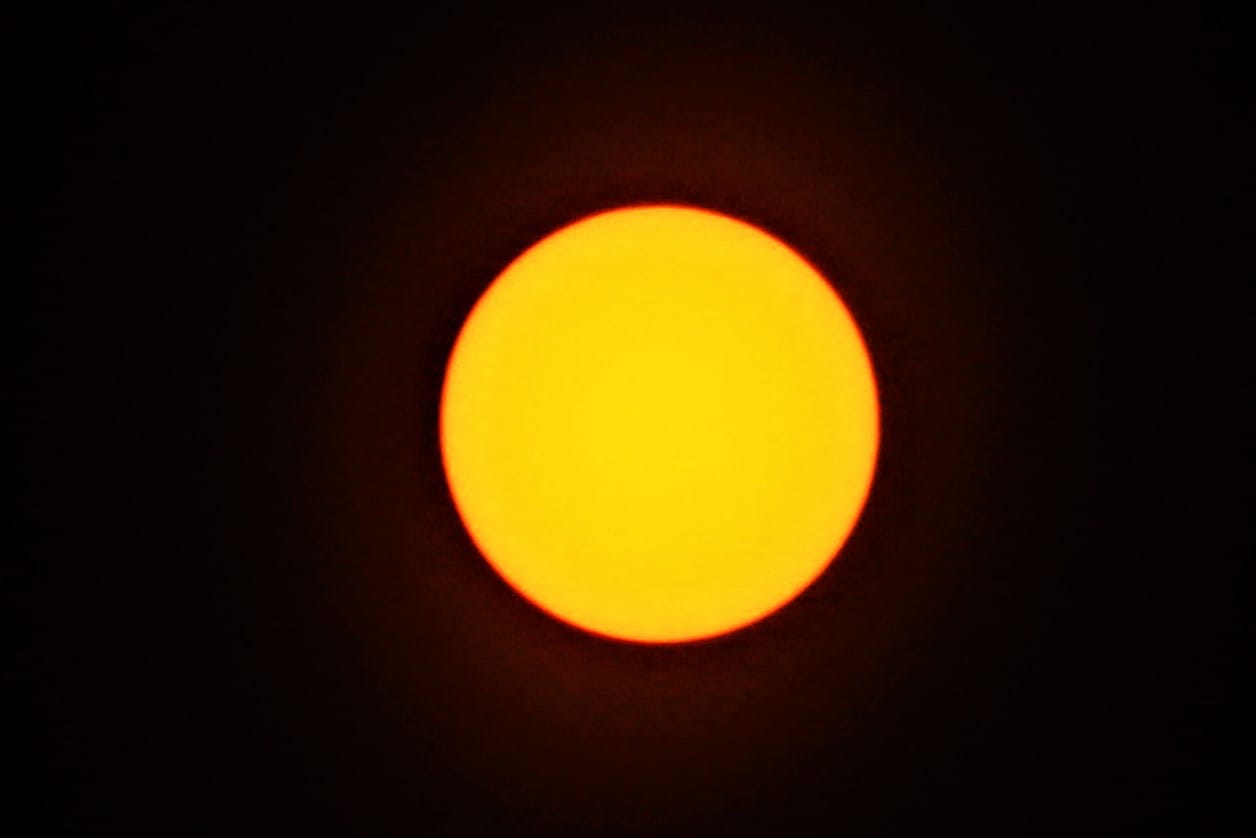
The sun through a telescope - safe viewing and photography
Viewing the sun through a telescope is spectacular. You see not only a brightly burning disk, but also sunspots, fine structures and, with special equipment, huge fiery bursts. But there is one thing that always comes first: safety. Unprotected viewing of the sun through a telescope can cause permanent blindness. In this article, you will read [...]
Astrophotography with smartphone - here's how to get started right away
Astrophotography with smartphone is one of the most approachable ways to capture the Moon, planets and even bright nebulae by yourself. You don't need an expensive telescope for it, with a good telescope, a stable mount and a few clever settings you can already achieve impressive results. In this guide, we explain step by [...]
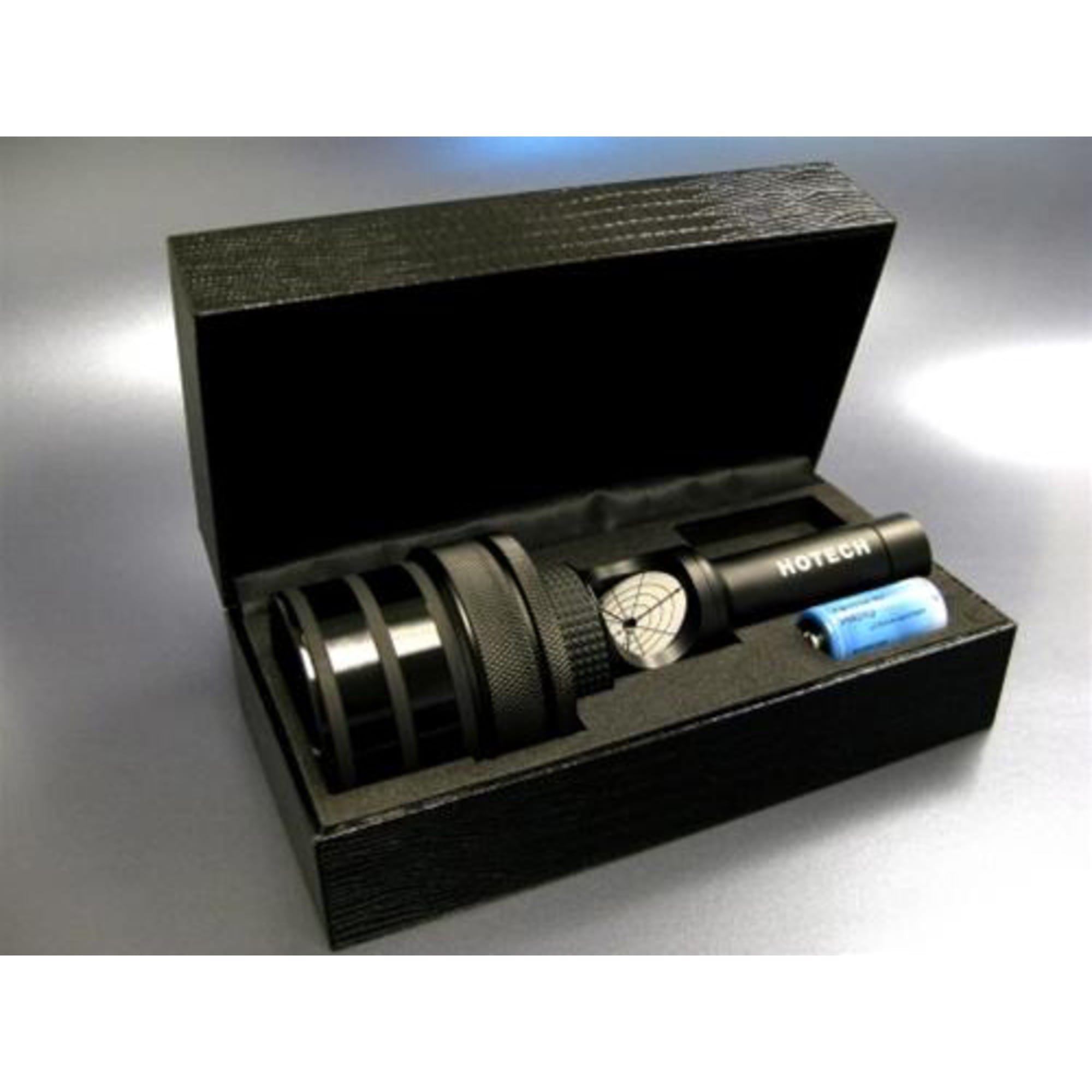
Telescope collimation: this is how to adjust your reflector in focus
Telescope collimation is the alignment of the mirrors in a Newtonian reflector or Dobsonian telescope. If these mirrors are not perfectly aligned, you lose sharpness and contrast: precisely the two qualities for which you buy a mirror telescope. The good news is: you can do it yourself, with simple tools and in a few minutes. In this guide, you will read […]
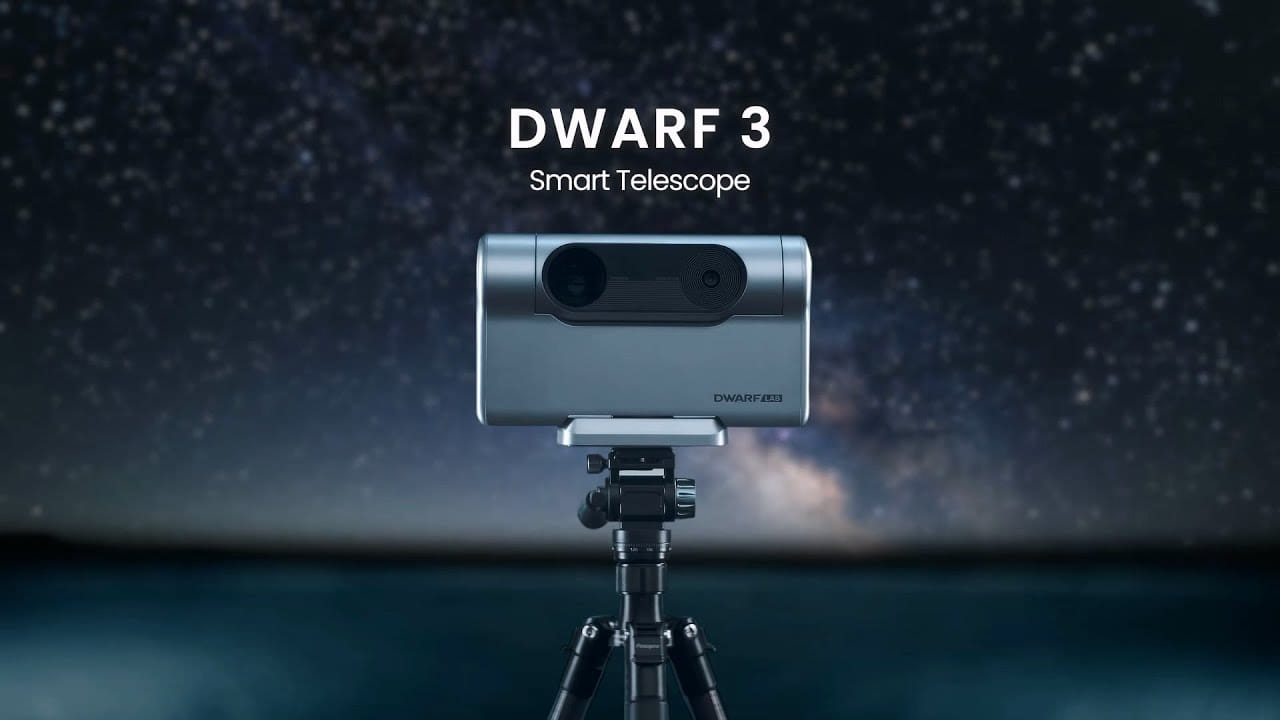
DWARF 3 tips: get the most out of your smart telescope
Update October 2026: the DWARF 3 is no longer being manufactured and is no longer available from us. If you already have one, these tips still apply. If you are looking for a compact DWARF, check out the DWARF Mini; many of these tips work just as well there. If you want to get the most out […]
Stargazing from your balcony: is it possible?
Admiring a beautiful starry sky often seems reserved for remote places with dark skies. But what if you live in a busy city and your balcony is your only vantage point? Is stargazing from your balcony a realistic option? The answer is yes! Thanks to smart telescopes like the Vespera II, Vespera Pro, and Hestia, you can also [...]
What is ‘stacking’ in astrophotography?
Imagine this: you point your telescope toward a dark night sky, ready to capture the Andromeda Nebula. But instead of the spectacular images you see online, a picture appears full of noise and little detail. This is not uncommon, even for experienced astrophotographers. This is where stacking - a powerful technique - [...] comes in.
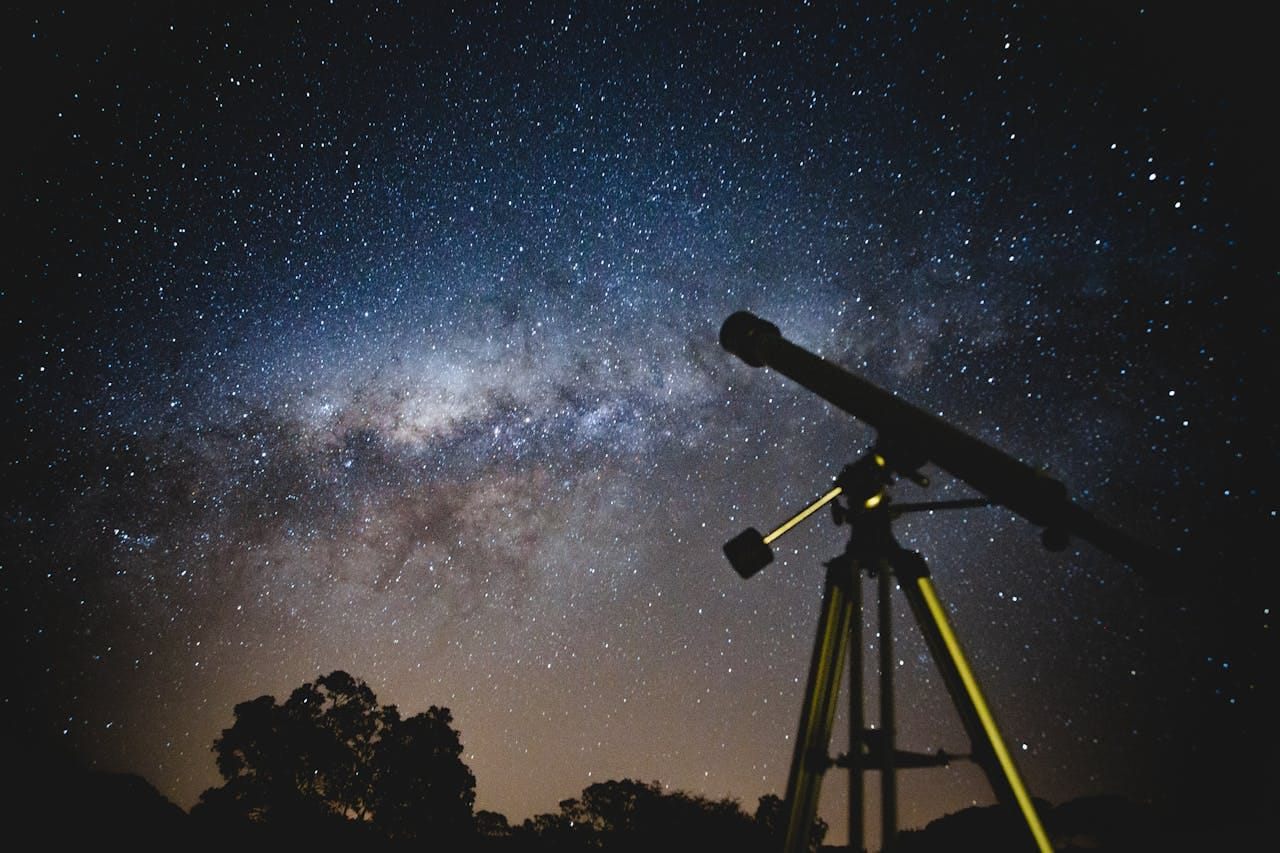
The ultimate telescope buying guide: choosing a telescope for beginners in 2026
The first look through an eyepiece is a moment you never forget. It is the transition from passively looking at NASA photographs to the raw, unfiltered reality of the universe. Before that first experience of success, however, comes the challenge of choice. The market is huge and the technical terms fly your [...].
Telescope Tuning: The ultimate guide to razor-sharp observations
Tuning a telescope is one of the most important steps for anyone who wants to observe the universe clearly. Whether you want to view the craters of the moon, the rings of Saturn, or a distant nebula-without proper adjustment, your image will remain blurry or unstable. In this practical guide, we explain how to optimally [...] your telescope.

How to maintain a telescope for optimal performance
A well-maintained telescope makes the difference between a clear viewing experience and a blurry image. Taking regular care of your telescope will not only extend its life, but also ensure that it performs optimally during every observation. In this guide, we share practical maintenance tips you can use to keep your telescope in top condition. Why is [...]

A guide to observing deep-sky objects
The universe is infinitely larger than our own cosmic backyard with the moon and planets. Those who take the plunge into deep-sky objects enter a realm of faint nebulae, distant galaxies and ancient star clusters. But how you experience those objects these days depends on a fundamental choice: do you trust your own eyes or [....]