
Astronomy binoculars
Showing 21–40 of 57 resultsSorted by popularity
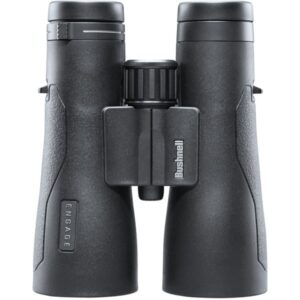
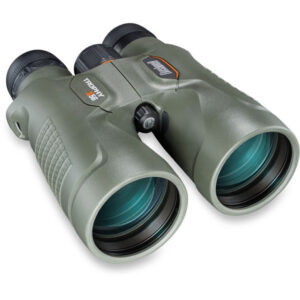
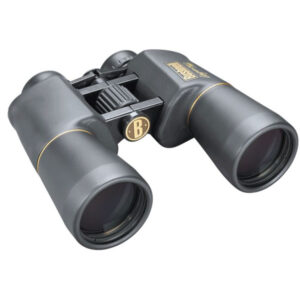


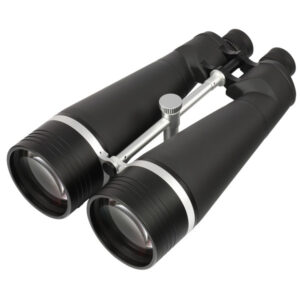


Showing 21–40 of 57 resultsSorted by popularity
A pair of binoculars is one of the best ways to start exploring the starry sky. You use two eyes, the image is upright, and you can see a large area of the sky at once. Many observers also use them alongside their telescopes for close-up viewing.
What do you see with a binoculars?
On the Moon you see craters and the boundary between day and night; in our lunar calendar You can see when it is at its most beautiful. With Jupiter, you see the four large moons as bright points. The Pleiades, the Orion Nebula, and the Andromedan system are seen as bright spots, and in the summer you walk along the Milky Way from star to star. If you wait in August, you will see the Perseids, Then, in between, you look through a pair of binoculars at the Milky Way.
Which magnification suits you?
- 7×50 and 10×50: usable out of the box and clear thanks to the large objective lens. The best first astronomy binoculars.
- 15×70 and 20×80: more detail and more light, but too heavy to hold for long. Mount them on a tripod with a Tripod adapter.
- 25×100: giant binoculars For heavy mounting, for those who want to see deep-sky with both eyes.
- 2×54 and 2.1×42: starfield viewers with a very wide field of view. You can see entire constellations, with many more stars than with the naked eye.
Never look at the sun with binoculars without a certified sun filter for both lenses. If you want to see more after a while, check out our telescopes for beginners.