A solar filter telescope is indispensable if you want to observe the sun safely. After all, without a good solar filter, it is life-threatening to view the sun directly through a telescope: your eyes can suffer permanent damage within fractions of a second. In this article you will read what a solar filter is, how to use it safely, what types exist and which choice is best suited for your telescope.
Actueel: op woensdagavond 12 augustus 2026 is er een diepe gedeeltelijke zonsverduistering te zien vanuit Nederland en België. Een goed zonnefilter is dan onmisbaar. In onze gids watching a solar eclipse safely lees je welke bescherming je nodig hebt. Alle tijden en kijklocaties vind je op de Event page about the 2026 solar eclipse.
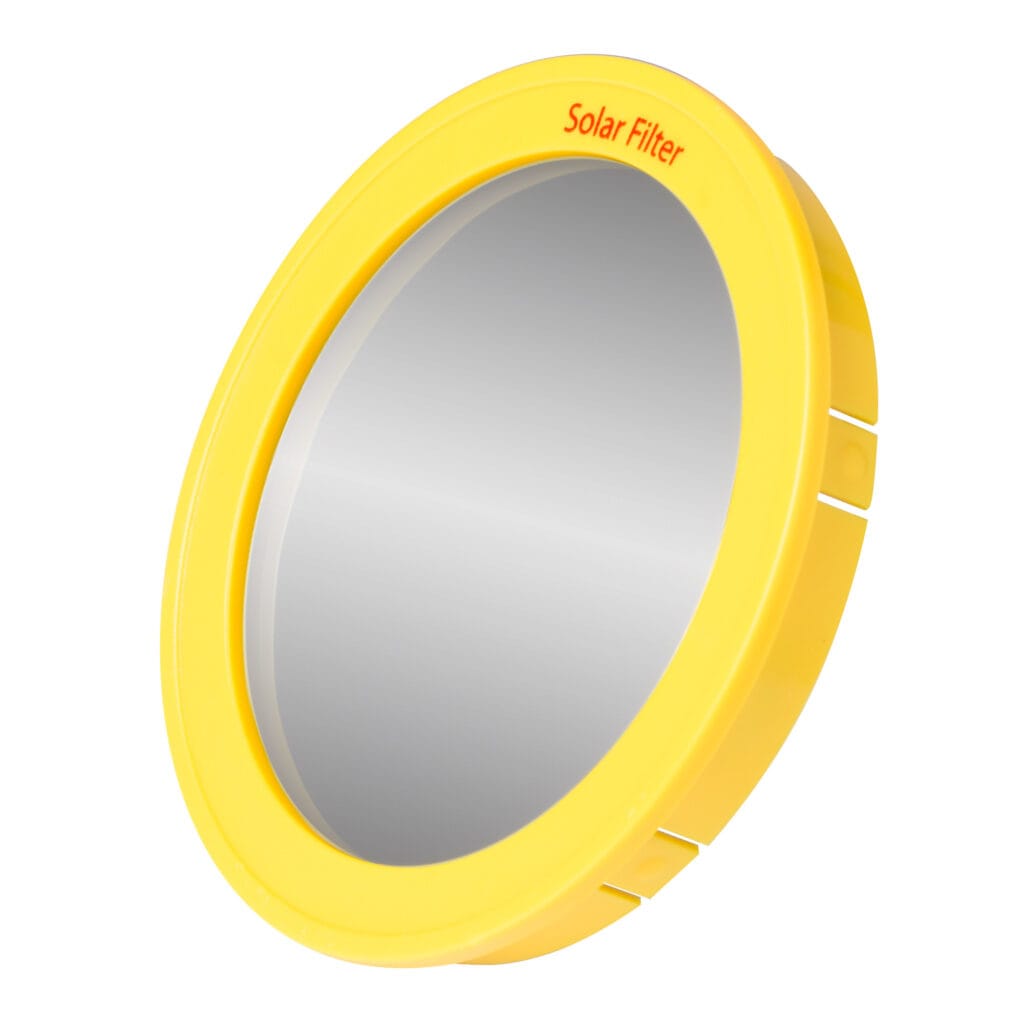
What does a solar filter do for your telescope?
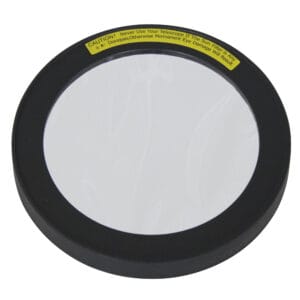
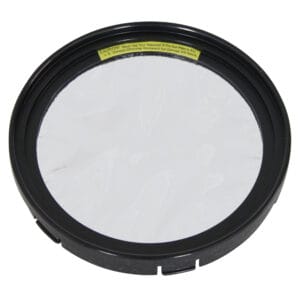
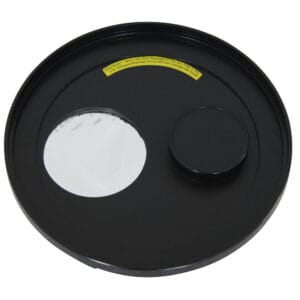
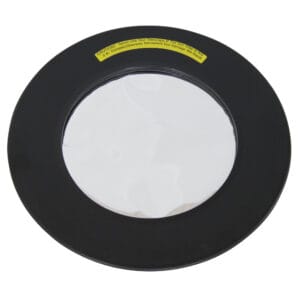
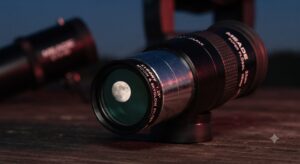
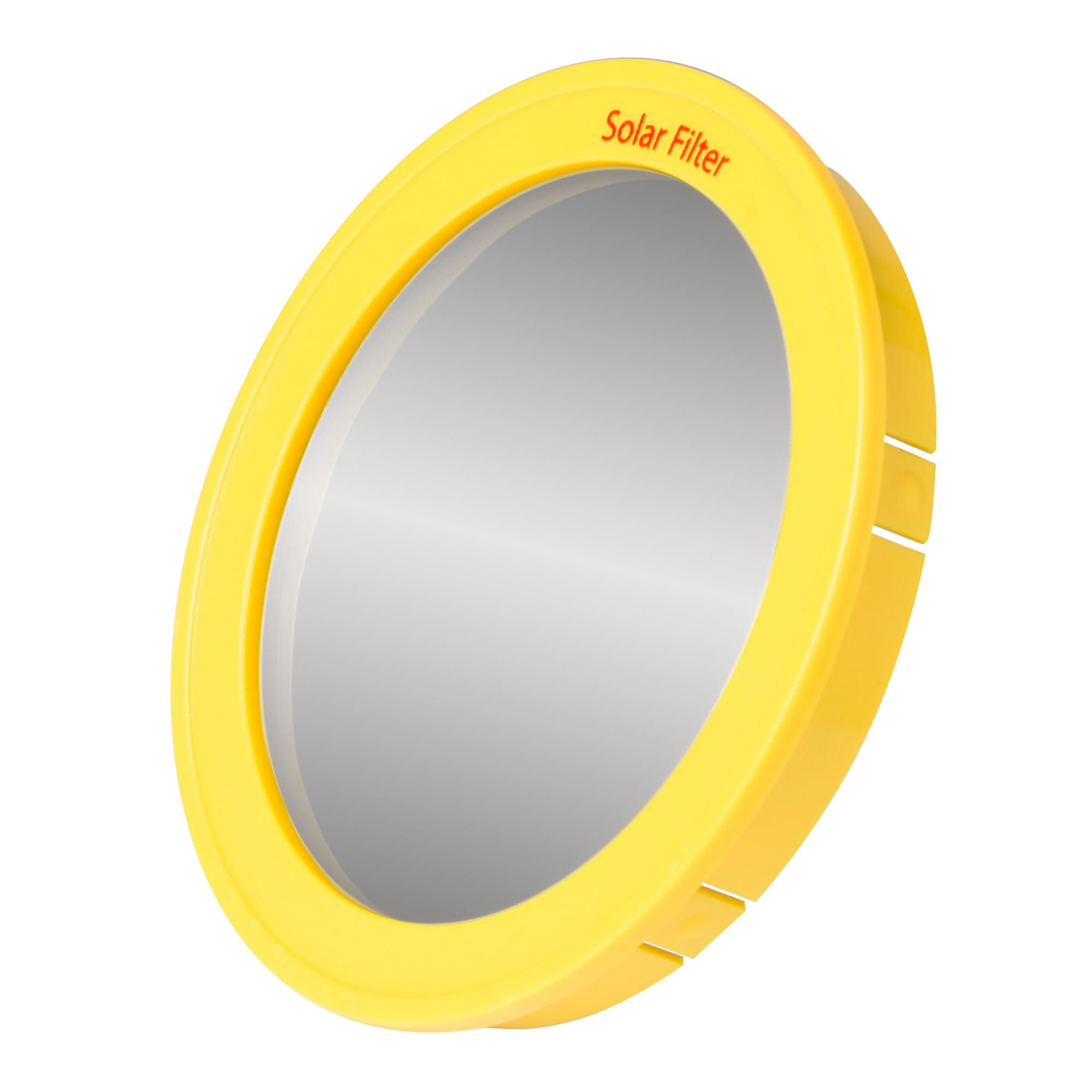
A solar filter telescope is a specially designed filter placed in front of the opening of the telescope. Its purpose is to reduce the sun's light intensity to a safe level, usually by a factor of 100,000. This allows you to see solar phenomena such as sunspots, granulation and sometimes even prominences, without risk to your eyes or your instrument.
Important: cheap “sun caps” or plastic caps that sometimes come with toy telescopes are downright dangerous. These can crack from heat and damage your eyes beyond repair.
How to use a solar filter telescope safely?
The golden rule is that the filter should always be placed in front of the opening of the telescope. Never at the back near the eyepiece. When you mount a solar filter correctly, it ensures that only a highly attenuated and filtered image of the sun comes in.
Some tips:
- Always check that the filter is tight and free of cracks.
- Use the telescope only in daylight and never accidentally point it at the sun without a filter.
- Never allow children to observe the sun unsupervised.
What solar filter do you need for a telescope?
The choice depends on the diameter of your telescope and your personal preference. The most common types are:
- Glass filters: durable, deliver a sharp image with neutral color. Suitable for both visual use and photography.
- Foil or film filters (Baader AstroSolar): affordable and popular. They offer excellent optical quality and are easy to customize.
- Herschel prism (wedge): a prism placed in the back of the telescope, but only suitable for refractors. It provides the highest contrast for solar observation.
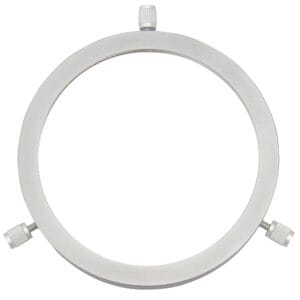
When choosing a solar filter, always select the correct size that matches the aperture (aperture) of your telescope. A filter that is too large or too small can cause dangerous light leakage.
Can a solar filter telescope also be used for photography?
Yes, many solar filters are also suitable for photography. For example, with a solar filter on your telescope, you can take beautiful close-ups of sunspots or a timelapse of the sun's rotation. Just keep in mind that specific details, such as prominences in H-alpha, require specialized solar telescopes.
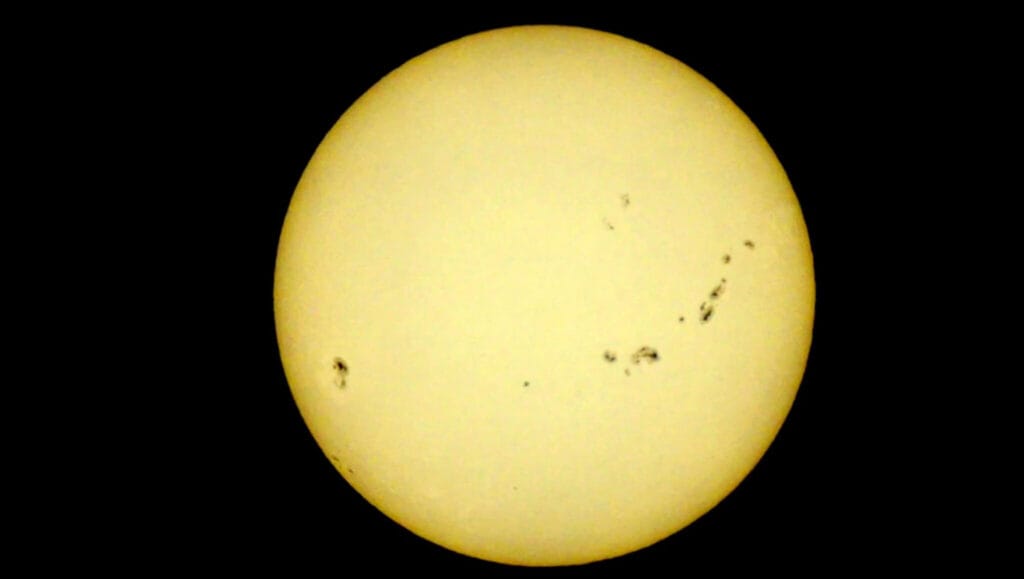
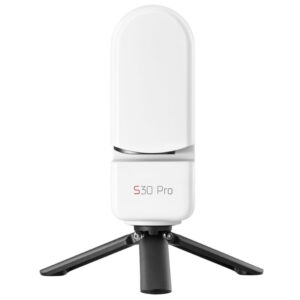
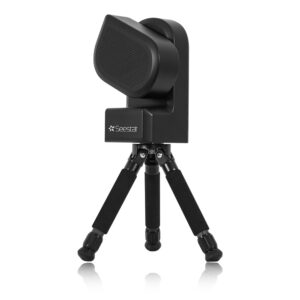
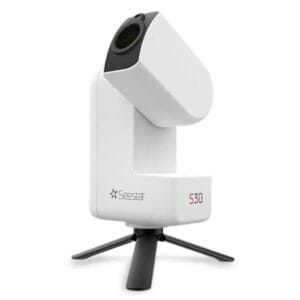
Voor de meeste amateurs is een witlicht-zonnefilter of slimme telescoop de perfecte start. Hiermee kun je veilig oefenen met zowel visuele waarnemingen (niet met de smart scope, daar kun je alleen foto's mee maken) als eenvoudige fotografie via een smartphonehouder of camera-adapter.
Maar... als je de zon gaat fotograferen met enkel een smartphonehouder en camera-adapter, dan kan dat je telefoon permanent beschadigen. En... kijk nooit direct in de zon zonder gecertificeerde zonnefilter!!
Practical tips for solar observation
- Observe the sun preferably in the morning, when the seeing is more stable.
- Allow your telescope to acclimate so that internal air currents do not interfere with the image.
- Avoid extremely hot days as air vibrations are stronger.
- Combine a solar filter with a neutral gray filter in the eyepiece for extra contrast.
Safety always comes first
The sun is fascinating but also treacherously bright. A solar filter telescope is the only safe way to actively look at our star by yourself. Cheap caps or home-made solutions are absolutely not recommended. Always choose a quality filter that fits your instrument.
Want to know more?
At Telescoop.nl vind je een uitgebreid assortiment zonnefilters die direct passen op populaire telescopen. Daarnaast hebben we een complete decision tree To help you further along the way.
Want to know more about solar activity and current phenomena? Check out the updates from ESA for reliable information about the sun.
Conclusion
A solar filter telescope is not a luxury, but a necessity. With the right filter, you can safely enjoy sunspots, granulation and solar activity. Choose consciously, pay attention to size and always be mindful of safety. That way, your next observing session will not only be impressive, but also completely safe.