
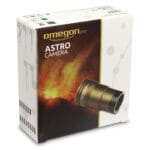


Omegon Camera veLOX 715 C Color: 4K resolution on a compact sensor
The veLOX 715 C combines 3840 x 2160 pixels with a sensor diagonal of just 6.39 mm. The pixels measure 1.45 micrometers, the finest in the entire series. This delivers a very high image scale at a modest focal length.
With a quantum efficiency of more than 91 percent, this sensor is among the most sensitive that Omegon uses in the veLOX line.
Sensor and image
The back-illuminated Sony IMX715 measures 5.57 by 3.13 mm and has 3840 x 2160 pixels. The readout is done at 12 bits, up to 24 frames per second at full resolution.
The full well capacity is 6,000 electrons and the read noise remains below 1.35 electrons. This makes short exposures usable without noise taking over the image.
Fine pixels, small telescope
Where other planetary cameras need a Barlow lens to get enough resolution, this camera achieves that from the pixel size itself. With a refractor with a medium focal length, that already yields a usable planetary disk.
The field of view remains small. For overview shots of the Moon, you are more likely to choose the veLOX 678.
Autoguiding with an ST4 port
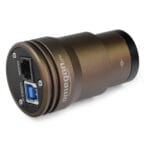
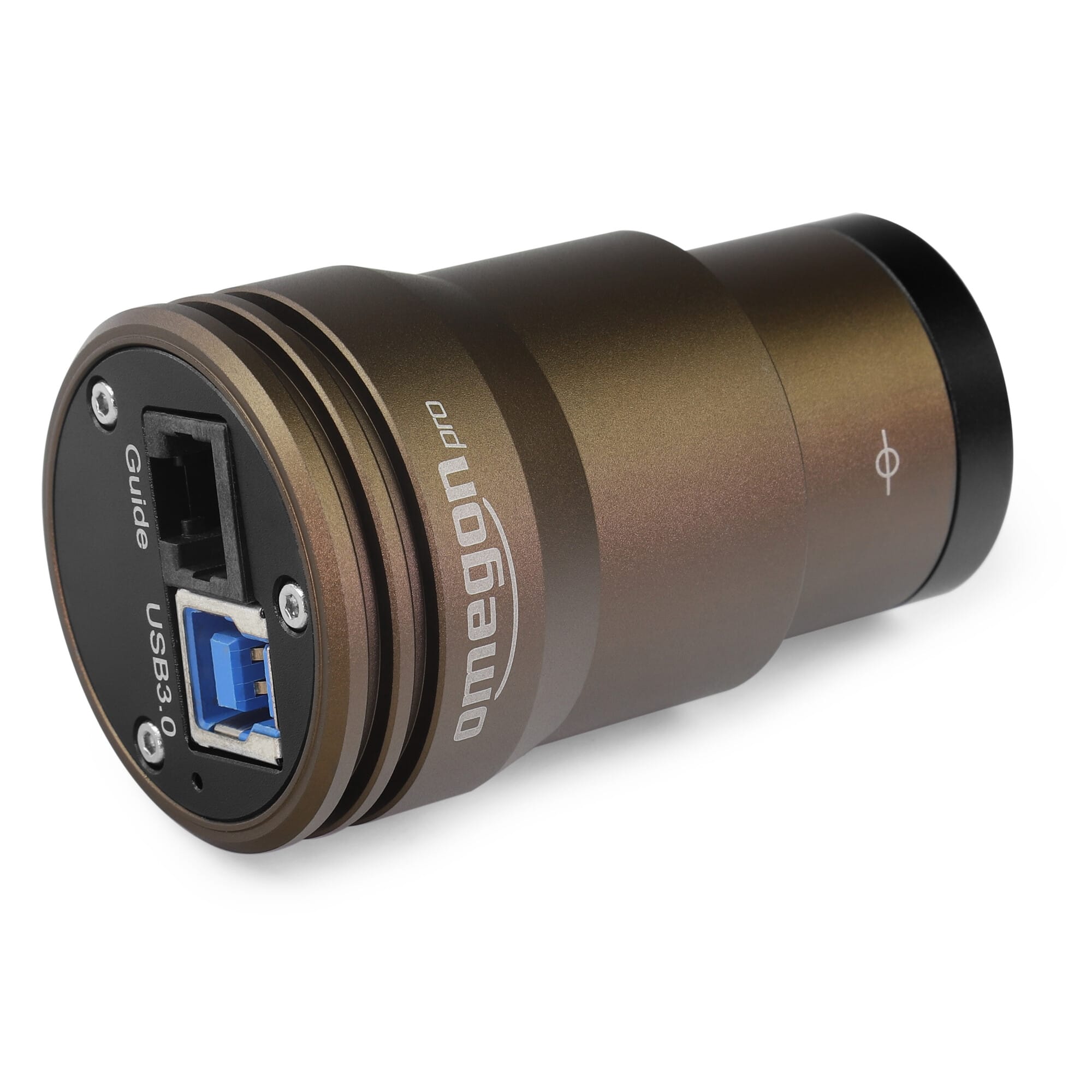
The camera has a built-in ST4 port. You connect it directly to the autoguider port of your mount and correct the tracking during long exposures. The high sensitivity also makes the camera suitable for guiding.
PHD2 recognizes the camera natively. It also works with N.I.N.A., SharpCap, and similar programs via the ASCOM and INDI drivers.
Connect to your telescope
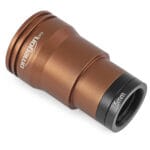
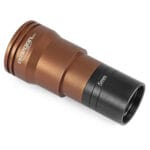
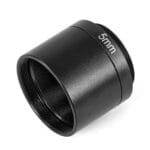
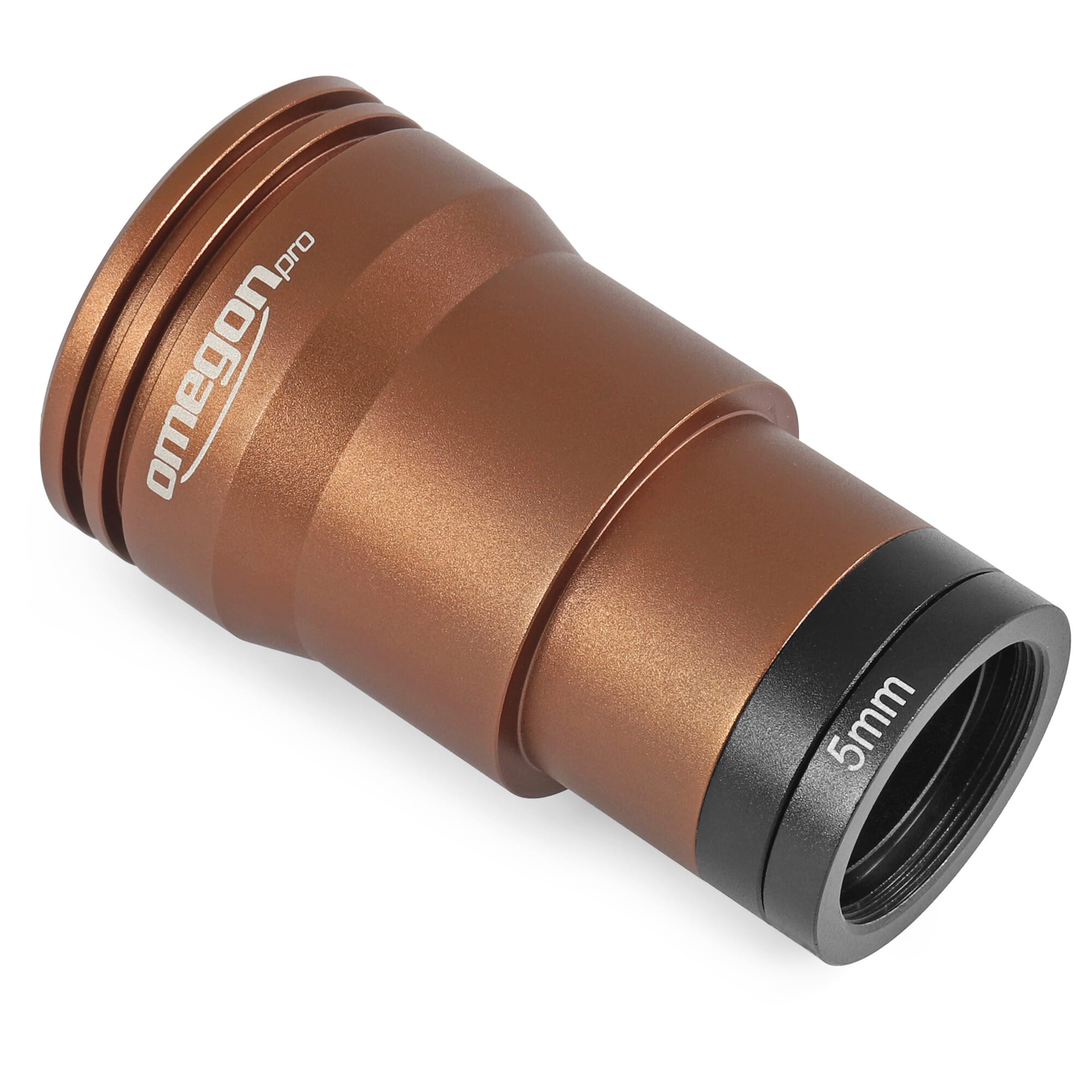
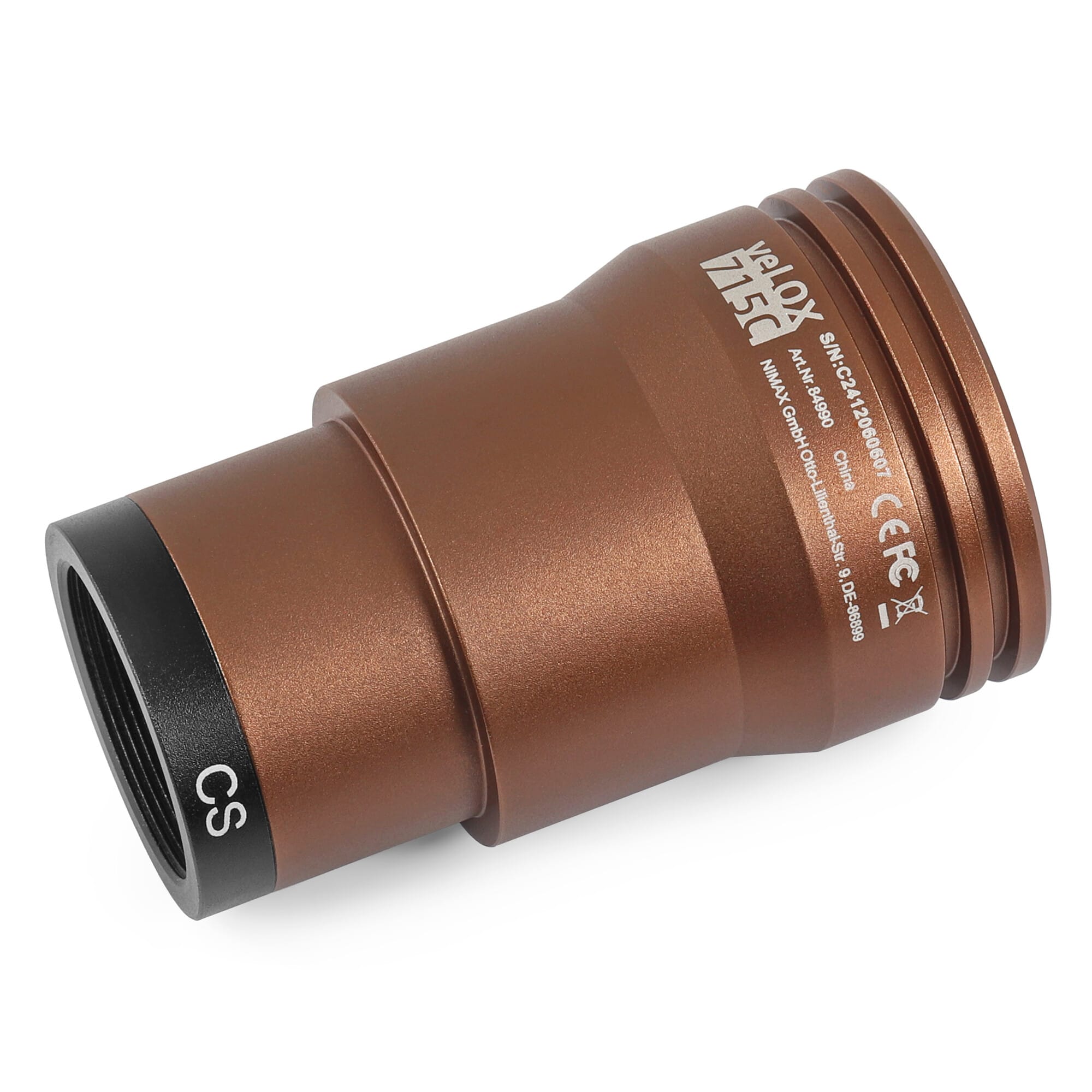
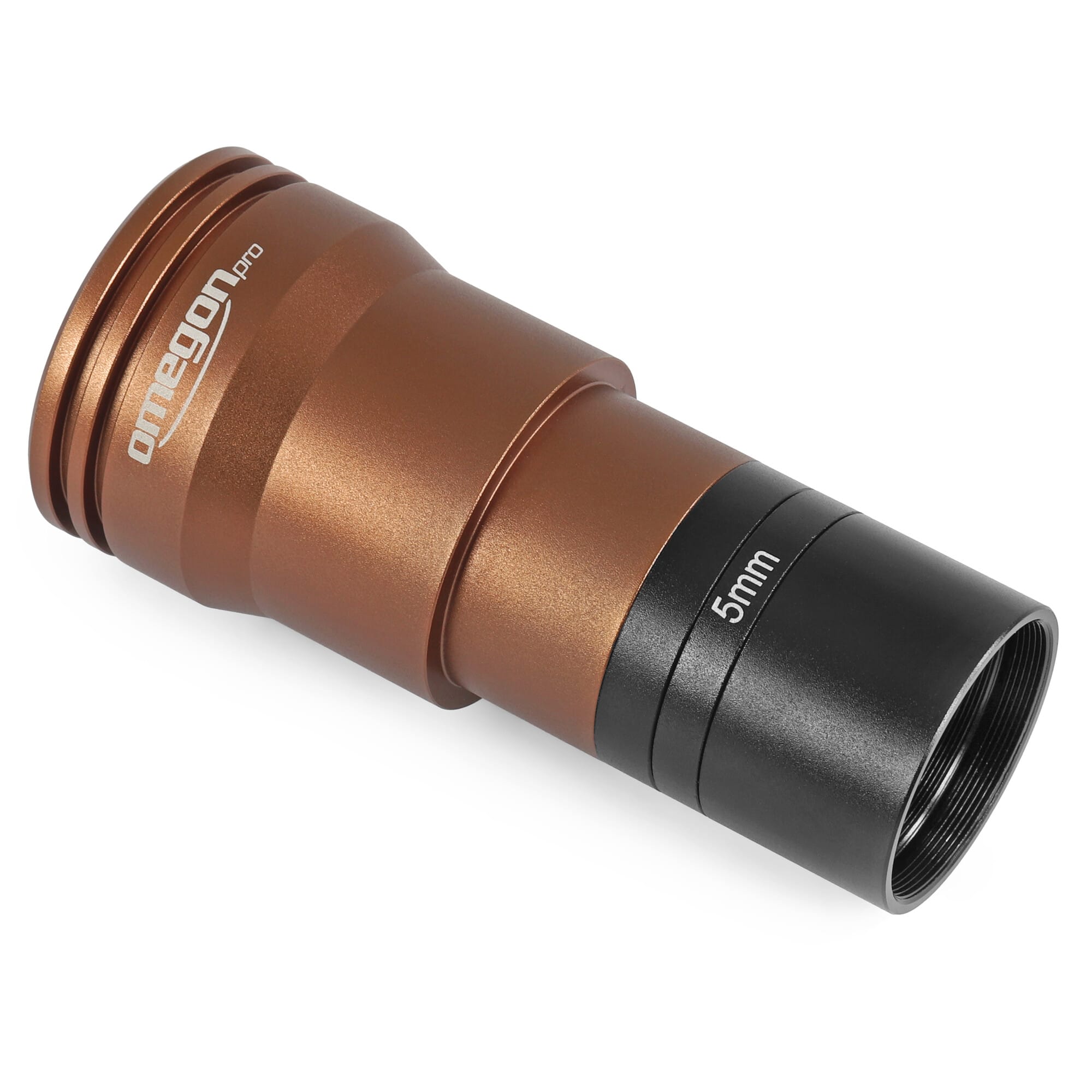
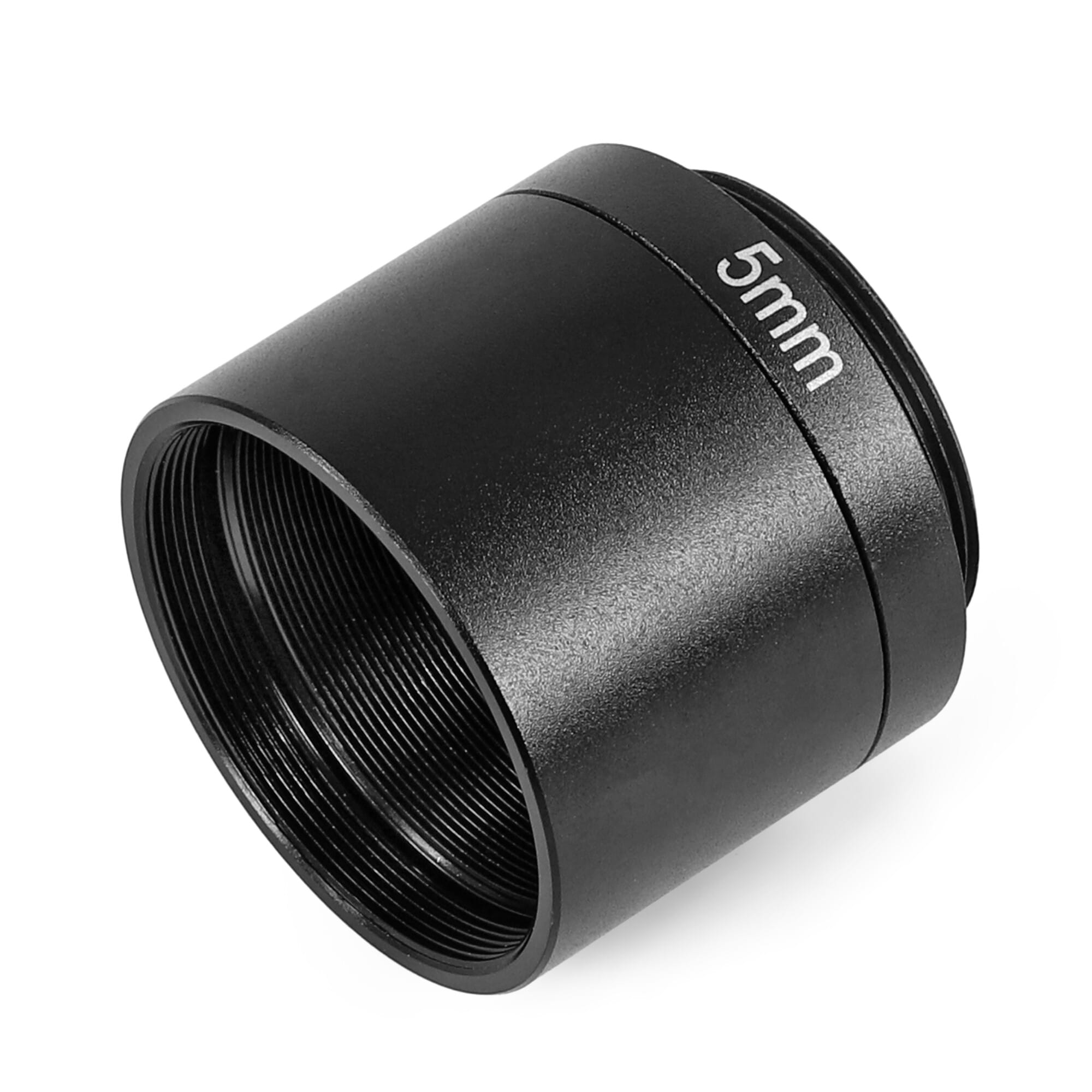
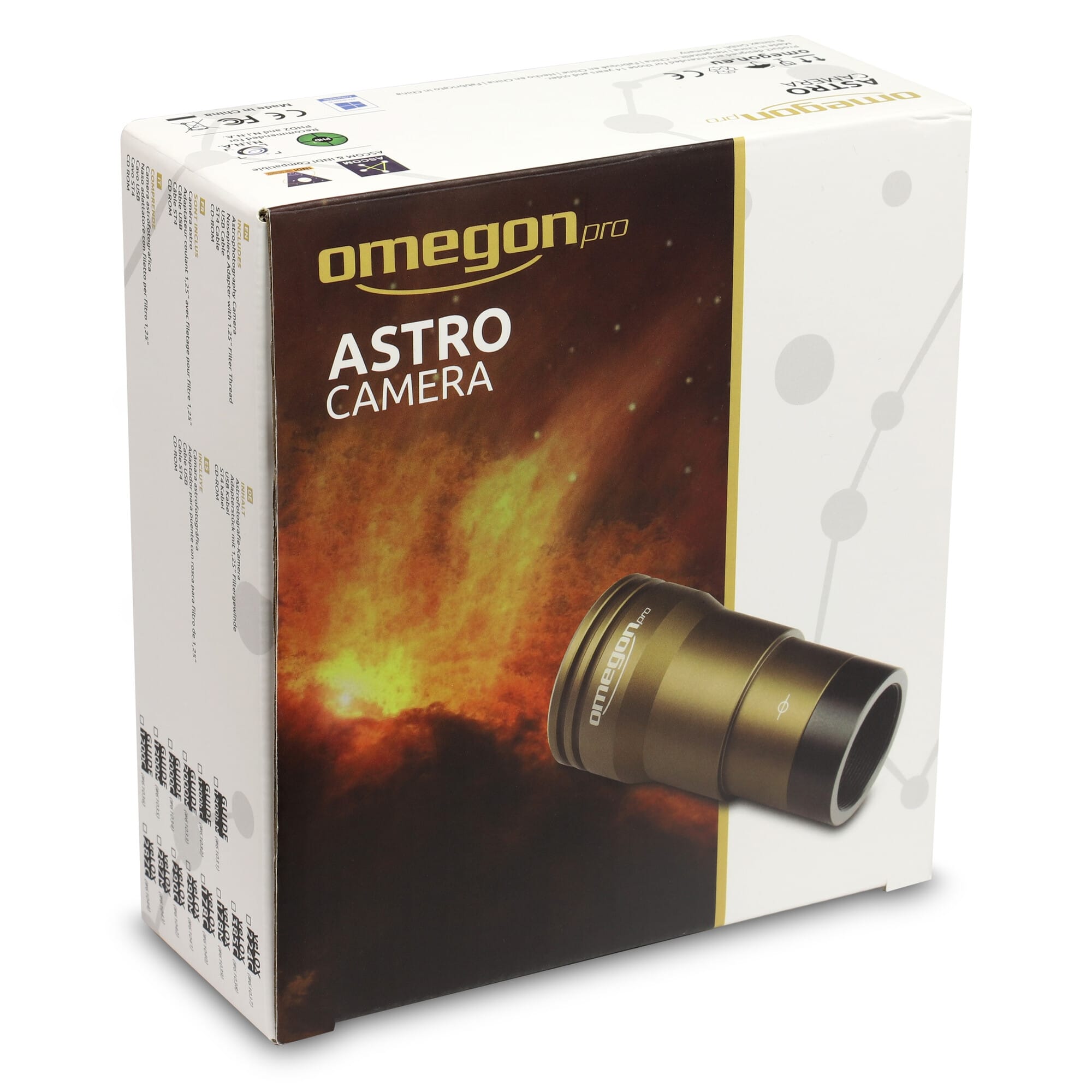
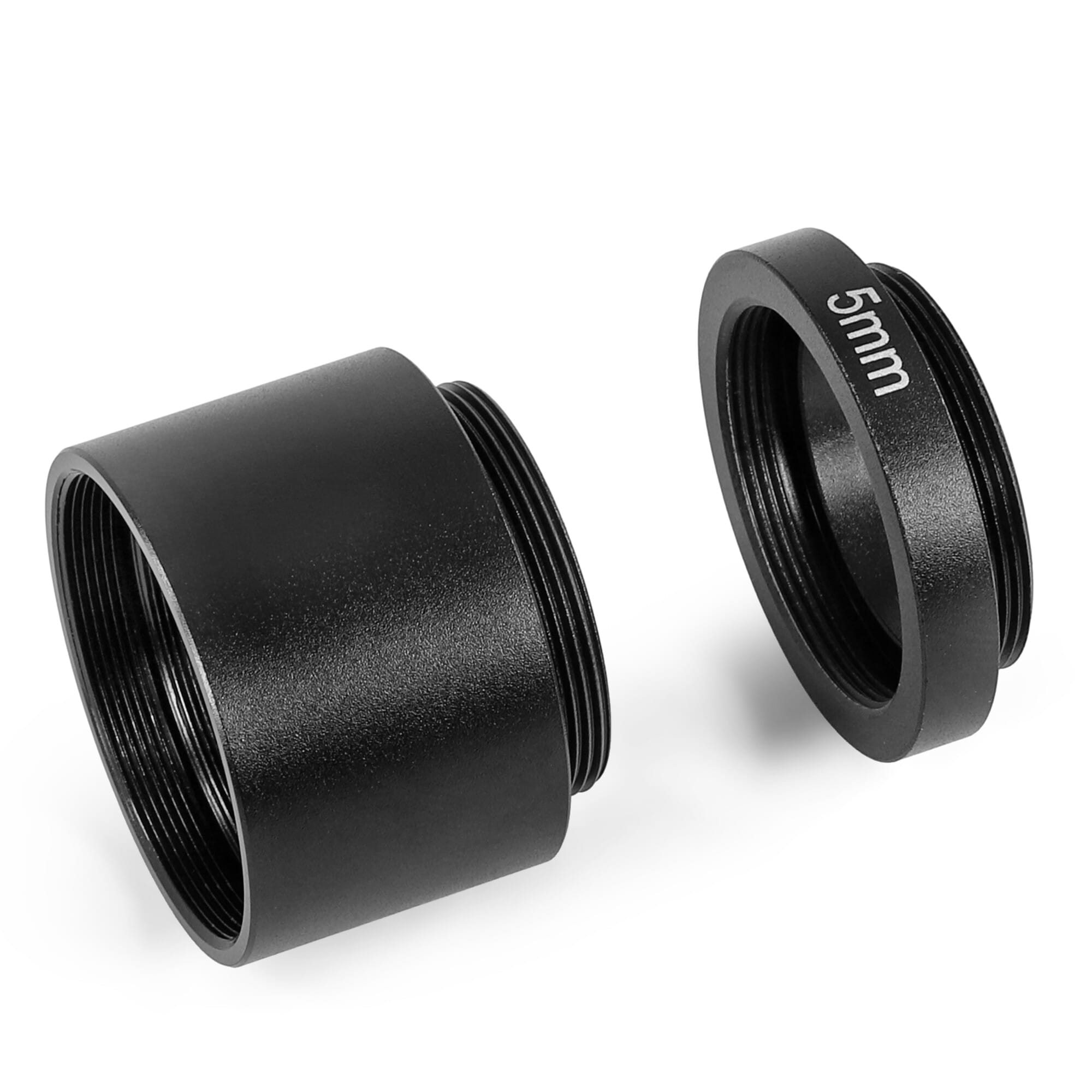
The housing has the shape and diameter of a 1.25-inch eyepiece. So you can slide the camera into almost any focuser. The flange distance is 12.5 mm; with the included extension tube, it becomes 17.5 mm.
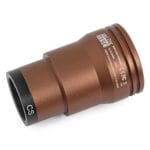
C- and CS-mount thread with 1.25-inch filter thread via the adapter. The housing is 72.4 mm long and weighs 90 grams.
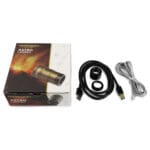
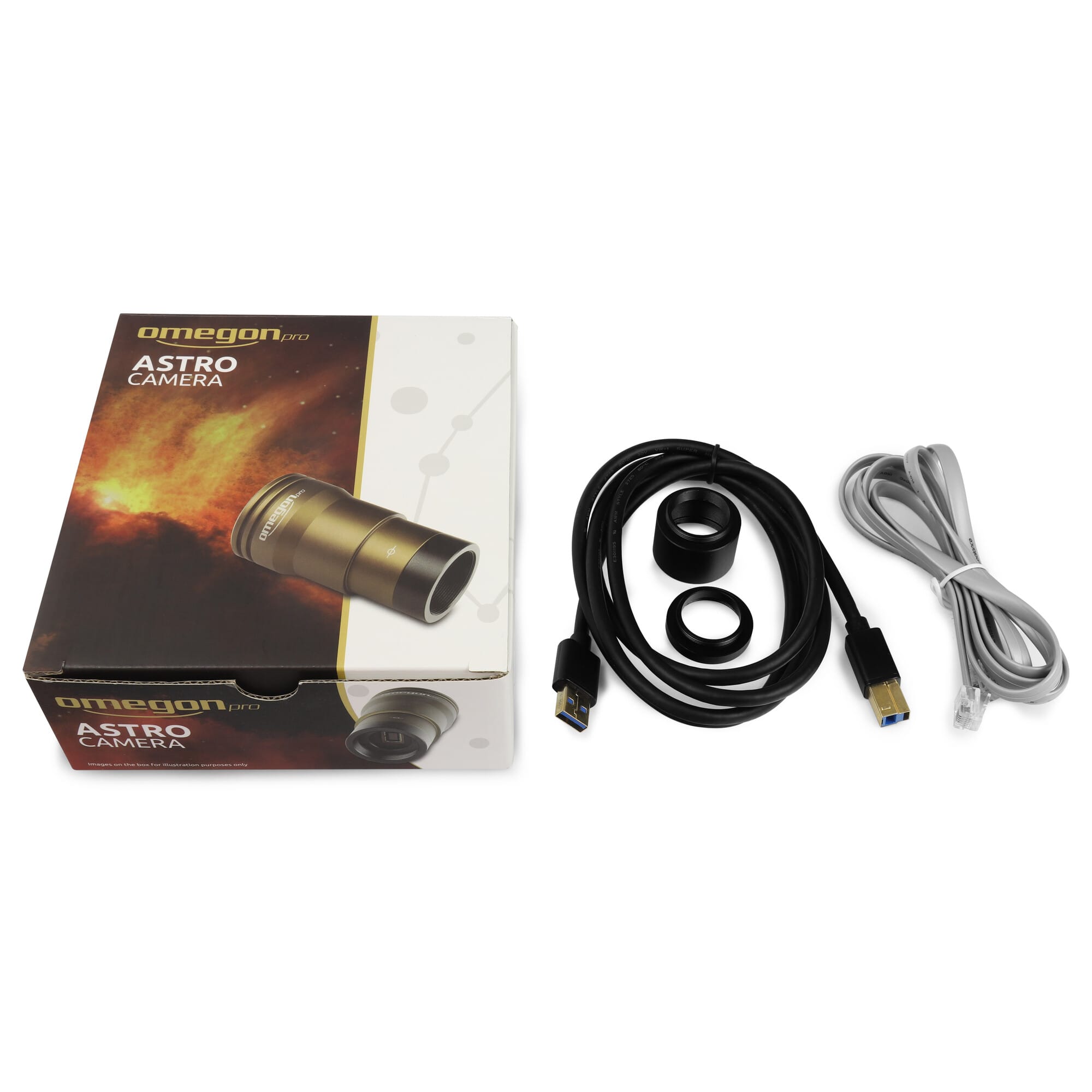
Included
- Camera in anodized aluminum housing
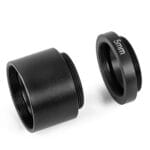
- Adapter with 1.25 inch filter thread (C-mount to M28.5)
- Extension piece with flange distance 17.5 mm
- USB cable
- ST4 cable
Featured accessories
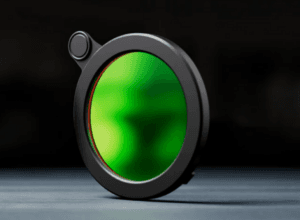
An atmospheric dispersion corrector is worthwhile for planets that are low in the sky. For the Sun, a safe aperture filter is necessary.
For whom yes and for whom no
- ✓ Planetary photography without long focal length
- ✓ How many pixels do you want on a small target
- ✓ Guidance using a sensitive sensor
- ✗ Wide-field recordings
- ✗ Whoever needs a large full well capacity for bright targets
Specifications
| Sensor | Sony IMX715 CMOS, back-illuminated, color |
| Sensor format | 5.57 x 3.13 mm, diagonal 6.39 mm |
| Pixel size | 1.45 micrometers |
| Resolution | 3840 x 2160 pixels (8.3 MP) |
| Bit depth | 12 bit |
| Frame rate | up to 24 fps at full resolution |
| Reading noise | fewer than 1.35 electrons |
| Full well capacity | 6000 electrons |
| Quantum efficiency | more than 91 percent |
| Exposure time | 100 microseconds to 16 minutes |
| Cooling | No |
| Interfaces | USB 3.0, ST4 |
| Autoguider | Yes |
| Telescope connection | 1.25 inch, C-mount and CS-mount |
| Filter thread | 1.25 inches |
| Flange spacing | 12.5 mm |
| Binning | 2×2 (hardware), 3×3 to 8×8 (software) |
| Dimensions | Length 72.4 mm, diameter 41 mm |
| Weight | 90 g |
You can find more astrophotography accessories from this brand at the Omegon brand page.

Reviews
There are no reviews yet.