
Bird binoculars
Not sure which binoculars suit you? We are stargazers ourselves and happy to help.
Send us a WhatsApp messageWe reply on weekdays between 9:00 and 17:00.
Showing 1–20 of 25 resultsSorted by popularity
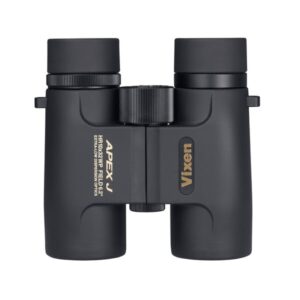
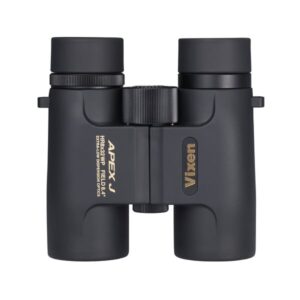
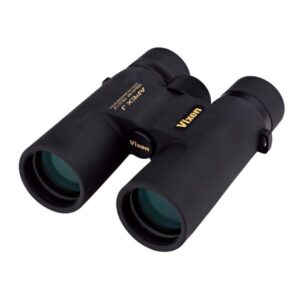
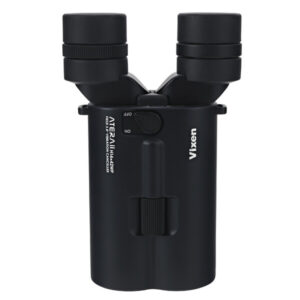
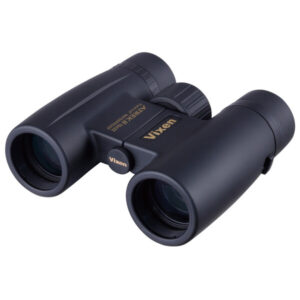
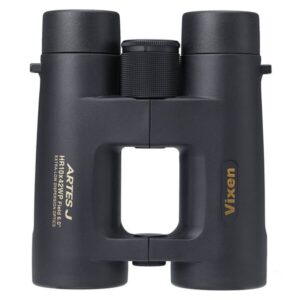
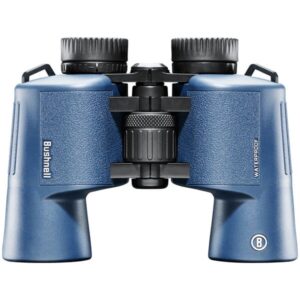
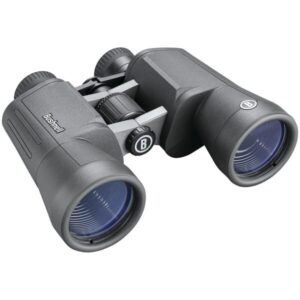
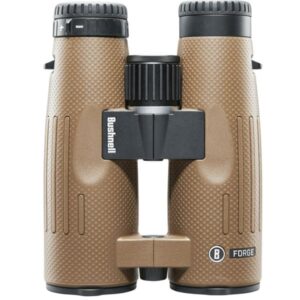
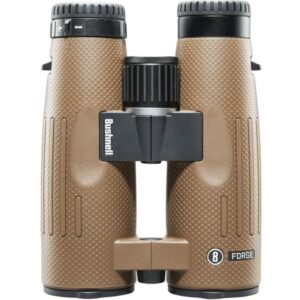
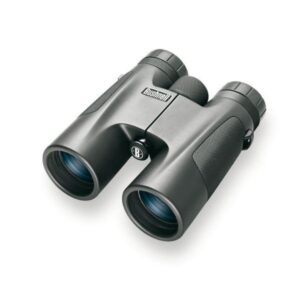
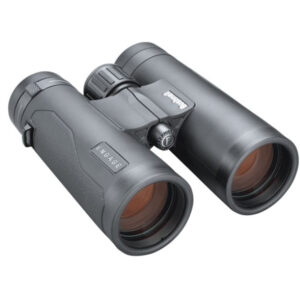


Showing 1–20 of 25 resultsSorted by popularity
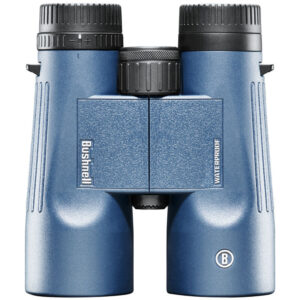
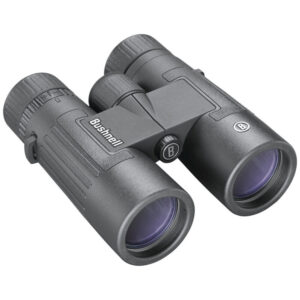
For bird watching, the 8×42 or 10×42 is the most commonly chosen size. The 42 mm lens also provides plenty of light in the morning and dusk, and the viewer is light enough to carry around all day long.
8×42 or 10×42?
With 8x, the image is calmer and wider, making it easier to capture a bird taking off. That’s the best choice in forests and thickets, and for beginners. With 10x, you see more detail at a distance, for example when watching birds of prey or raptors, but the image moves more with your hands.
What else do you pay attention to?
- Shortest focusing distance: The shorter the distance, the better you can observe butterflies and dragonflies in your garden. Good observers can get a clear view from 2 to 3 meters away.
- ED glass: suppresses color edges, for example when a dark bird is against a bright sky.
- Phase correction: Provides more contrast and sharpness for rear-seat viewers.
- Eye distance: If you wear glasses, choose a viewfinder with a 15 mm eye distance or more, so that you can see the full image.
- Waterproof and gas-filled: Then the viewer is not covered from the inside and can withstand a storm.
If you are going on a trip, be sure to check the binoculars for safari; if you want something smaller to put in your pocket, then get one from compact travel viewers.