
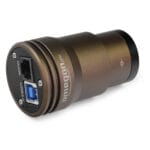


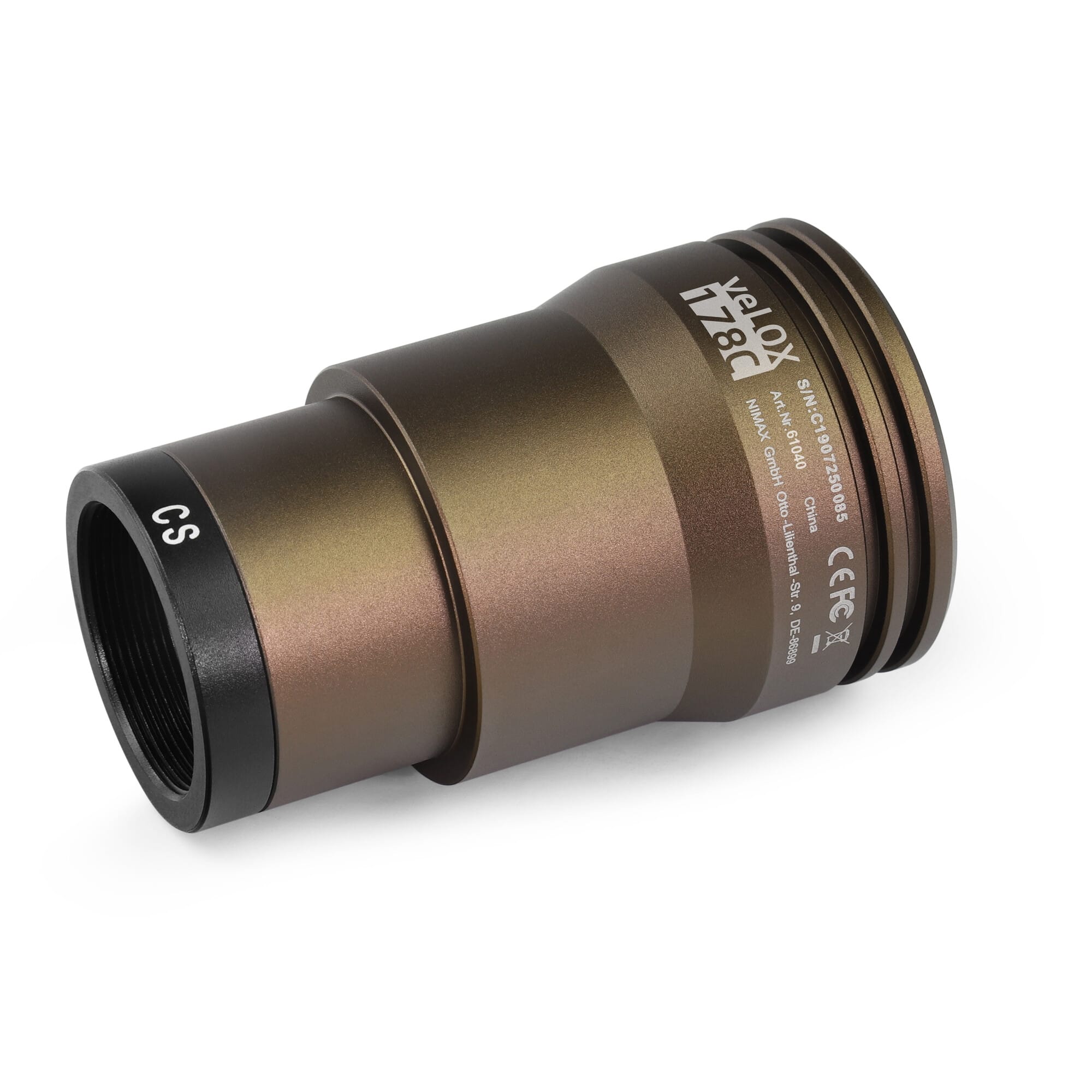
veLOX 178 C color sensor astrocamera: 6.4 megapixel planetary camera with fine pixels
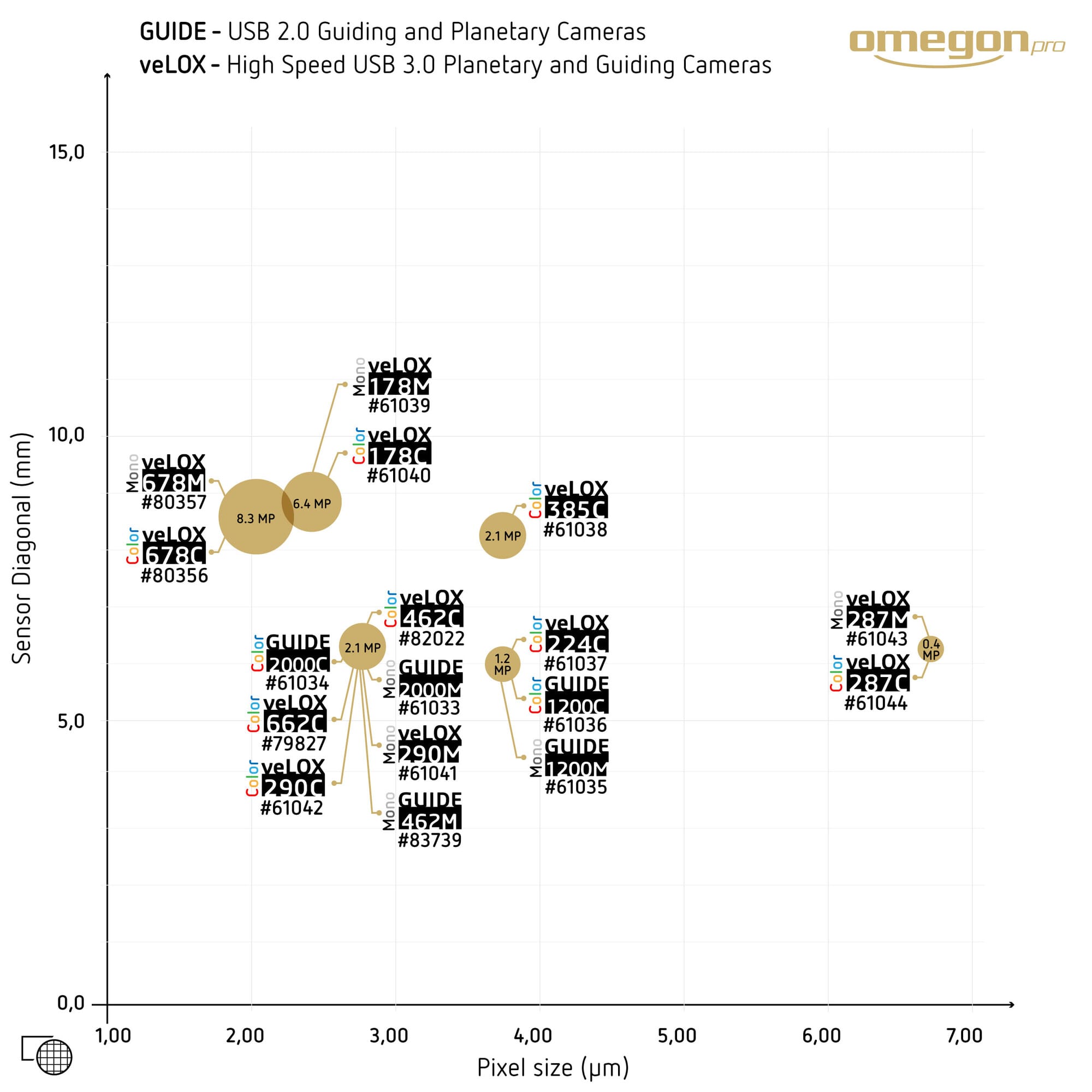
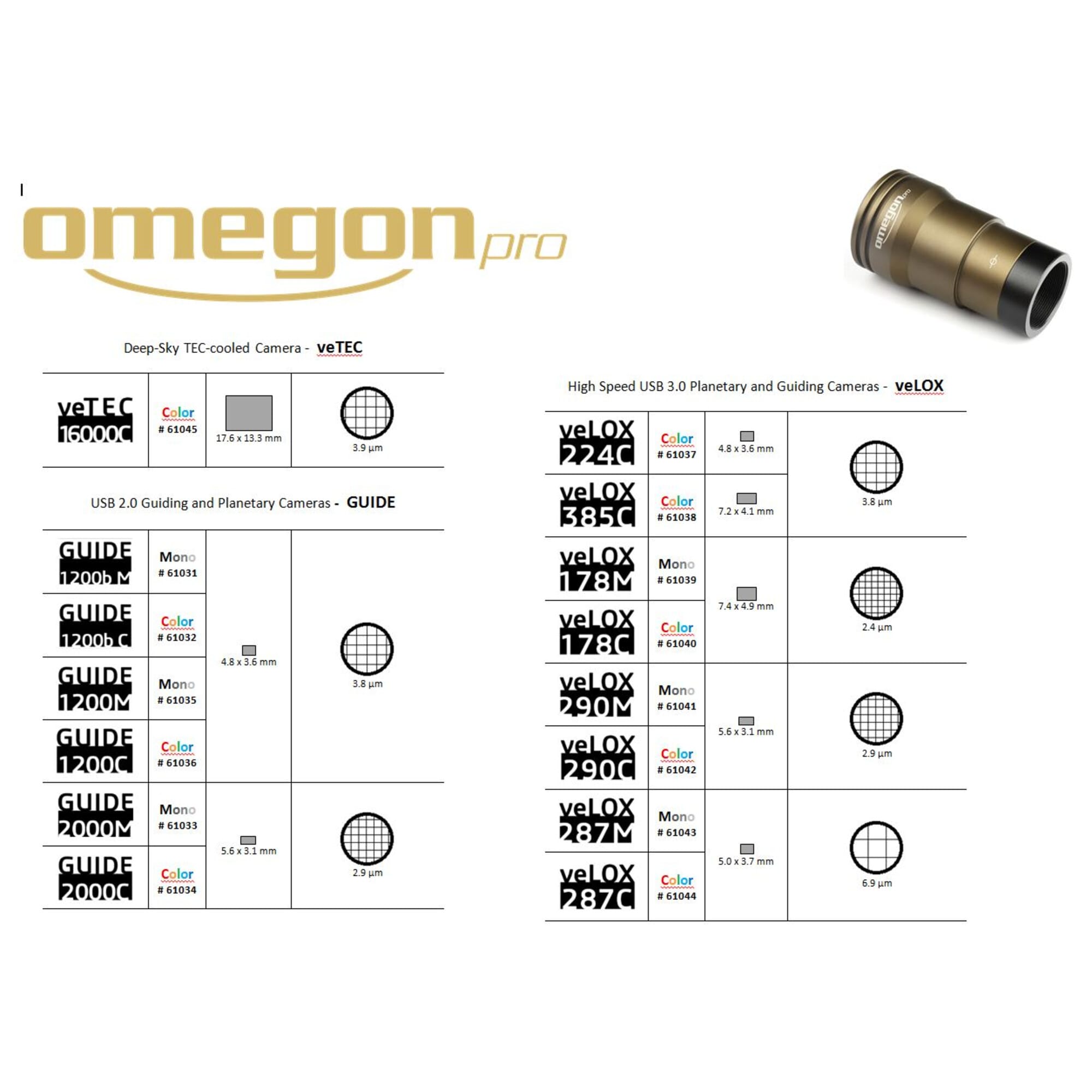
Within the veLOX series, the 178 has the largest sensor combined with the smallest pixels. This combination yields many pixels on a planetary disc, which is especially effective with telescopes having a long focal length.
The same features make the camera suitable as an autoguider. With a 7.4 by 4.9 mm sensor, you will almost always find a guide star in the field of view.
Sensor and image
The Sony IMX178 features 3096 x 2080 pixels of 2.4 micrometers and reads out at 14 bits. At full resolution, the camera achieves 59 frames per second via USB 3.0.
The read noise stays below 2.2 electrons at a full well capacity of 10,700 electrons. That provides a dynamic range of 82 dB.
Moons, planets and Sun
For the Moon, the large sensor delivers wide overview images without mosaicing. For the planets, you use the region of interest function and the frame rate increases significantly.
Sun observations are possible, but only with a suitable solar filter for the telescope aperture.
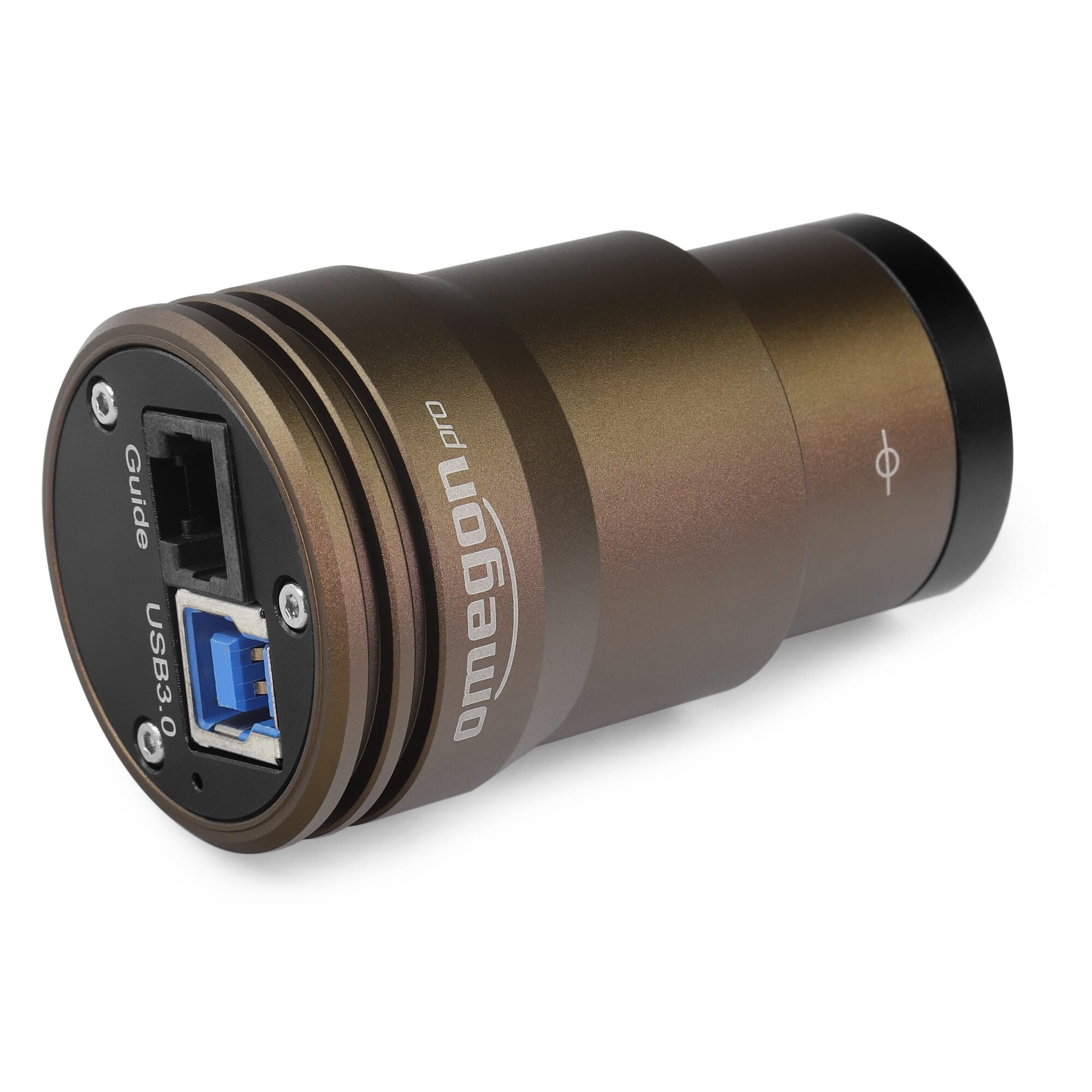
Autoguiding with an ST4 port
The camera has a built-in ST4 port. You connect it directly to the autoguider port of your mount and correct the tracking during long exposures. The fine pixels translate small tracking errors directly into a measurable shift.
PHD2 recognizes the camera natively. It also works with N.I.N.A., SharpCap, and similar programs via the ASCOM and INDI drivers.
Connect to your telescope
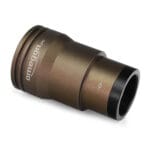
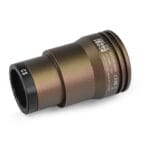
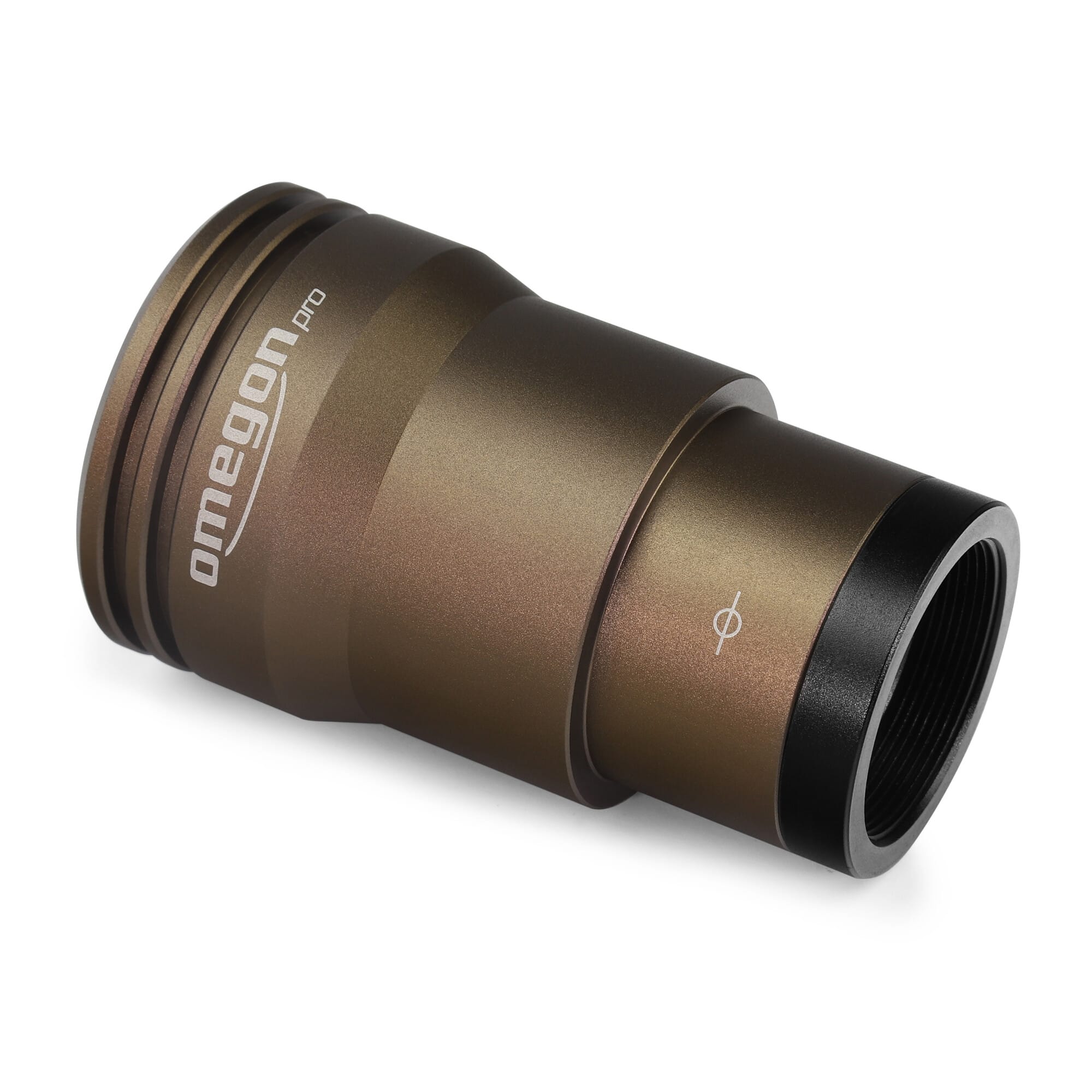
The housing has the shape and diameter of a 1.25-inch eyepiece. So you can slide the camera into almost any focuser. The flange distance is 12.5 mm; with the included extension tube, it becomes 17.5 mm.
The anodized aluminum housing features C- and CS-mount threads, plus 1.25-inch filter threads via the adapter. The camera weighs 90 grams.
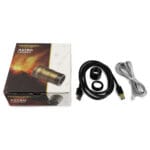
Included
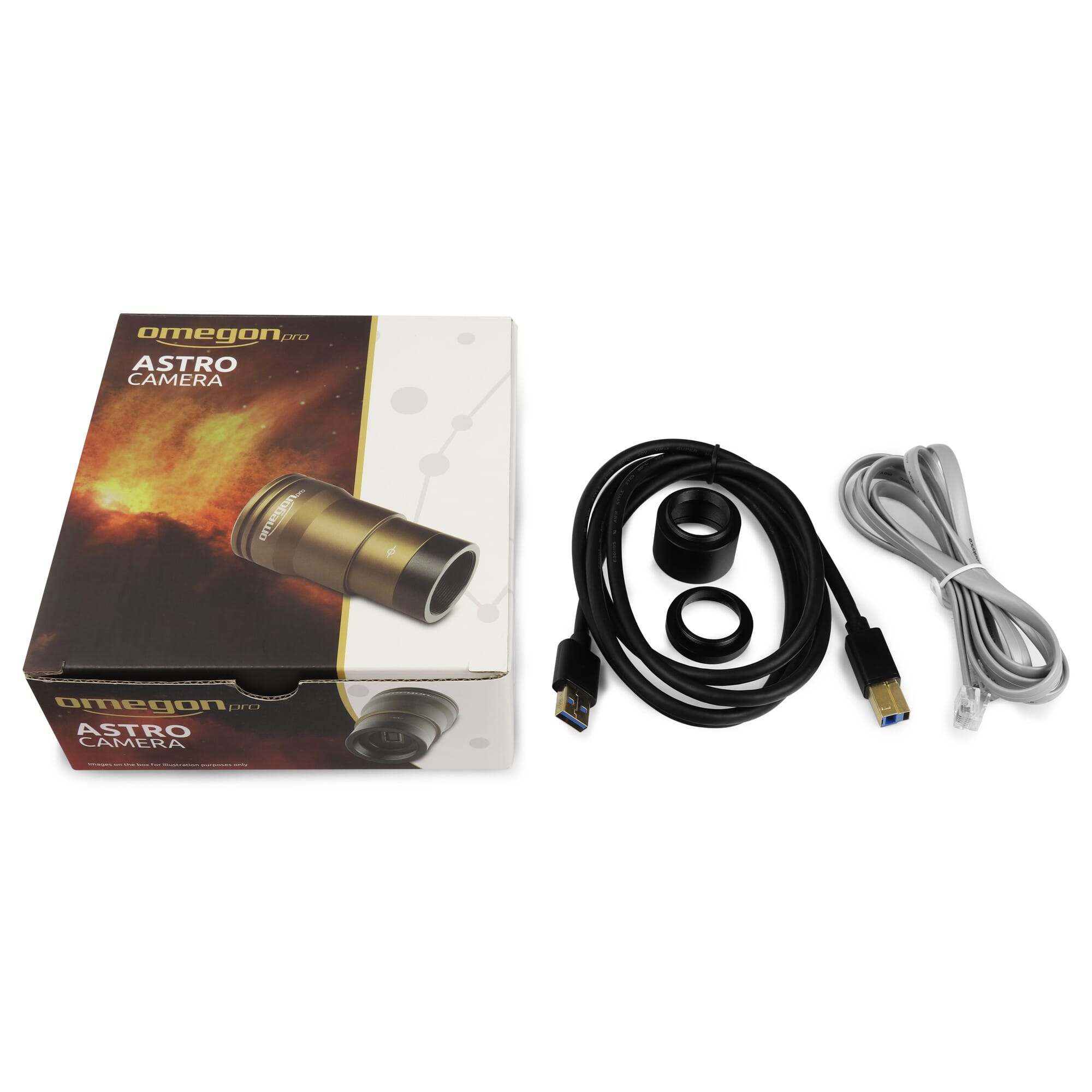
- Camera in anodized aluminum housing
- Adapter with 1.25 inch filter thread (C-mount to M28.5)
- Extension piece with flange distance 17.5 mm
- USB cable
- ST4 cable
Featured accessories
An atmospheric dispersion corrector helps with planets that are low above the horizon. For the Sun, a solar filter for the telescope aperture is necessary.
For whom yes and for whom no
- ✓ Planetary photography at long focal length
- ✓ Wide-angle photos of the moon without mosaics
- ✓ Accurate autoguiding
- ✗ For those who need cooling for long deep-sky exposures
- ✗ Small telescopes where the fine pixels do not track the detail
Specifications
| Sensor | Sony IMX178 CMOS, color |
| Sensor format | 7.4 x 4.9 mm, 8.9 mm diagonal |
| Pixel size | 2.4 micrometers |
| Resolution | 3096 x 2080 pixels (6.4 MP) |
| Bit depth | 14 bit |
| Frame rate | 59 fps at full resolution |
| Reading noise | less than 2.2 electrons |
| Full well capacity | 10,700 electrons |
| Dynamic range | 82 dB |
| Quantum efficiency | more than 81 percent |
| Spectral range | 380 to 690 nm |
| Exposure time | 244 microseconds to 16 minutes |
| Cooling | No |
| Interfaces | USB 3.0, ST4 |
| Telescope connection | 1.25 inch, C-mount and CS-mount |
| Filter thread | 1.25 inches |
| Flange spacing | 12.5 mm |
| Dimensions | Length 71 mm, diameter 41 mm |
| Weight | 90 g |
You can find more astrophotography accessories from this brand at the Omegon brand page.

Reviews
There are no reviews yet.