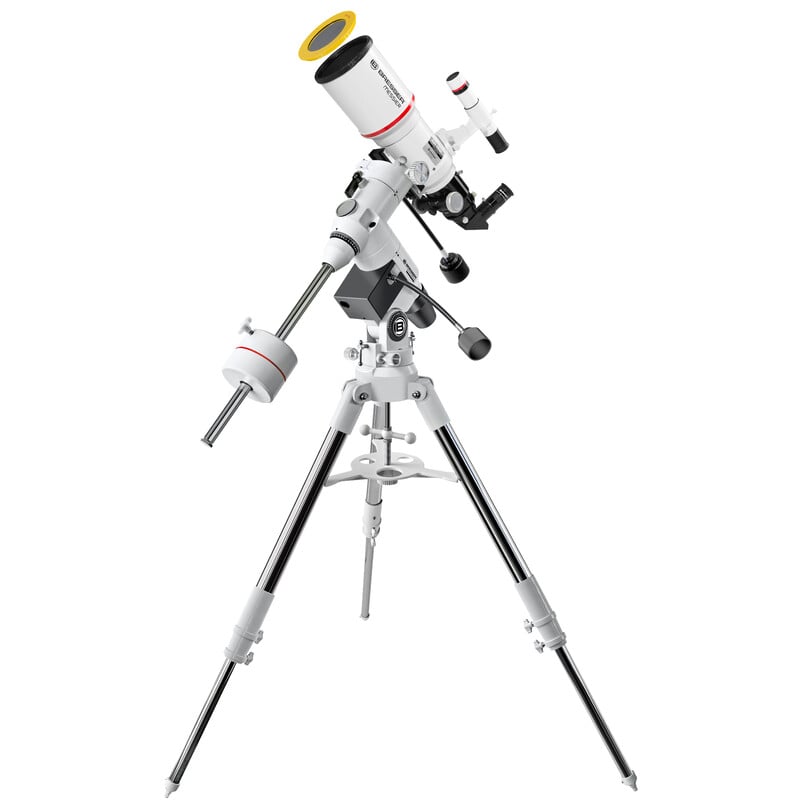
Imagine this: you point your telescope toward a dark night sky, ready to capture the Andromeda Nebula. But instead of the spectacular images you see online, a picture appears full of noise and little detail. This is not uncommon, even for experienced astrophotographers. This is where stacking - a powerful technique - comes in.
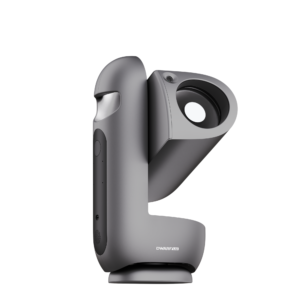
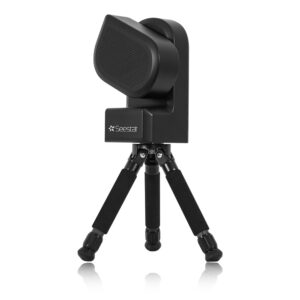
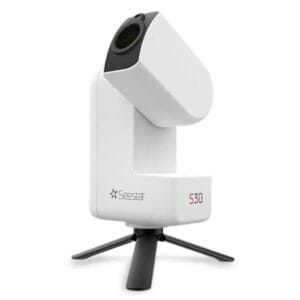
Stacking combines multiple photos of the same object to create one razor-sharp image. It enhances details and removes noise, revealing the beautiful structures of galaxies, nebulae and the moon. The process sounds complicated, but thanks to clever telescopes such as the Vespera II, Vespera Pro, and Hestia stacking is more accessible than ever.
How does stacking work?
Stacking is similar to creating a painting in layers. Each layer (or photograph) adds detail and clarity, while removing unwanted elements, such as noise. The process consists of three steps:
- Capturing images
Smart telescopes such as the Vespera II automatically take dozens of images of an object. These telescopes optimize settings such as exposure and ISO to capture as much detail as possible. Even when shooting from a light-polluted city, the results remain impressive. - Aligning the images
Because the Earth rotates, successive shots are often not exactly aligned. Thanks to built-in technology, smart telescopes correct these misalignments automatically. This saves hours of work with complicated software. - Combining and processing
The software of telescopes such as the Hestia and Vespera Pro instantly combines the images. The result? A single image that you can view and share via your smartphone or tablet.
Why is stacking essential?
Astrophotography presents challenges. Objects in space are often dim light sources, and noise can obscure details. Stacking solves this problem by amplifying light signals and removing interference.
With stacking, for example, you can:
- Capturing the moon razor sharp, including craters and valleys.
- Photographing galaxies, such as Andromeda, with impressive detail.
- Mists enhance colors, such as the Orion Nebula.
Without stacking, capturing such objects would be nearly impossible, especially for beginners.
Smart telescopes: your help in the process
In the past, stacking was mostly for professionals with complex software. But telescopes such as the Vespera II, Vespera Pro, and Hestia have changed this completely. These telescopes take the hard work out of it.
- Automatic capture and processing: With one press of a button, all shots are automatically stacked.
- User-friendly interface: Through an app, you can instantly see and share your final result.
- Accessible for beginners: No technical knowledge needed - the telescope does all the work for you.
What do you need to get started?
Have you gotten excited to try stacking yourself? Here are some tips for getting started:
- Choose the right telescope: Smart telescopes such as the Vespera II or Hestia are perfect for stacking thanks to their built-in technology.
- Choose your object: Start with the moon or bright nebulae such as the Orion Nebula. These objects are easy to photograph and produce impressive results.
- Schedule your session: Check the weather and choose a location with as little light pollution as possible.
Conclusion: an indispensable technique
Stacking has transformed astrophotography. It allows you to capture beautiful images even if you are not an experienced photographer. Smart telescopes such as the Vespera II, Vespera Pro, and Hestia make this technology easier and more accessible than ever.
Want to take your astrophotography to the next level? Visit our webshop and discover how smart telescopes can enrich your stargazing experience. Start taking spectacular images today!