
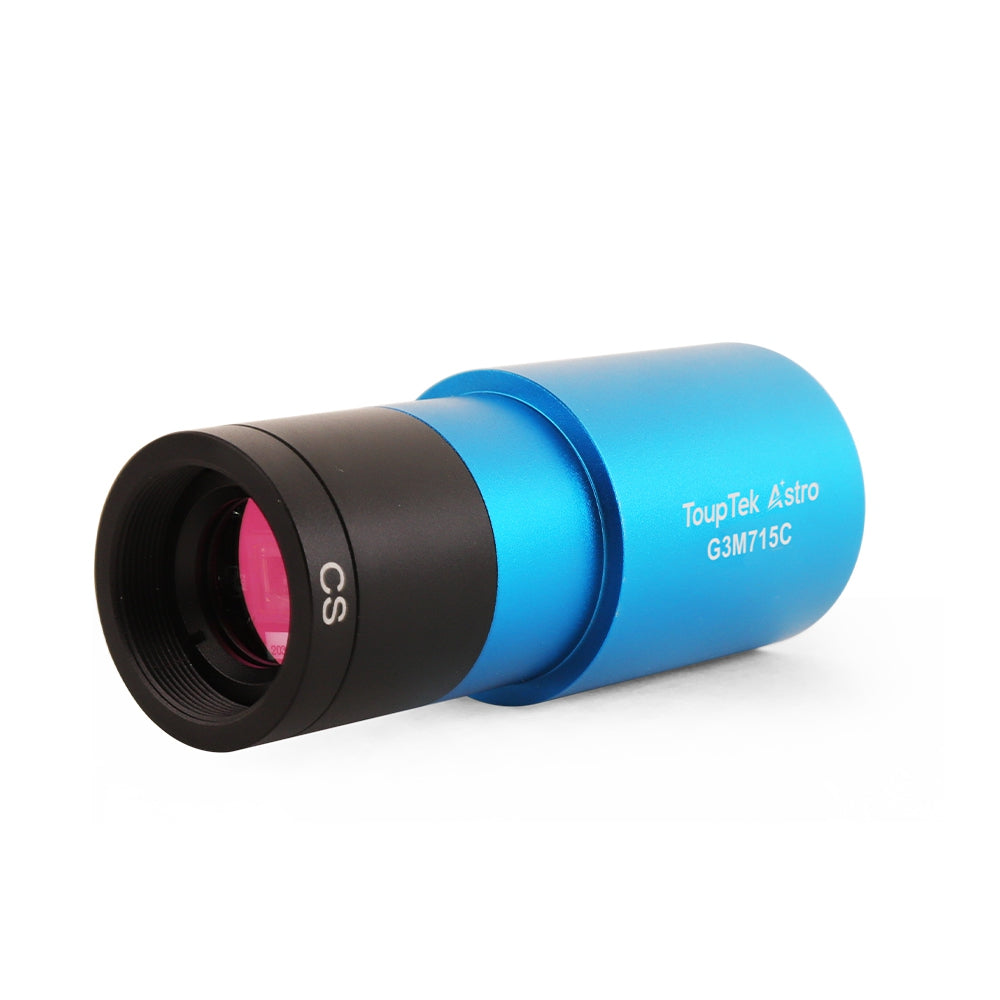
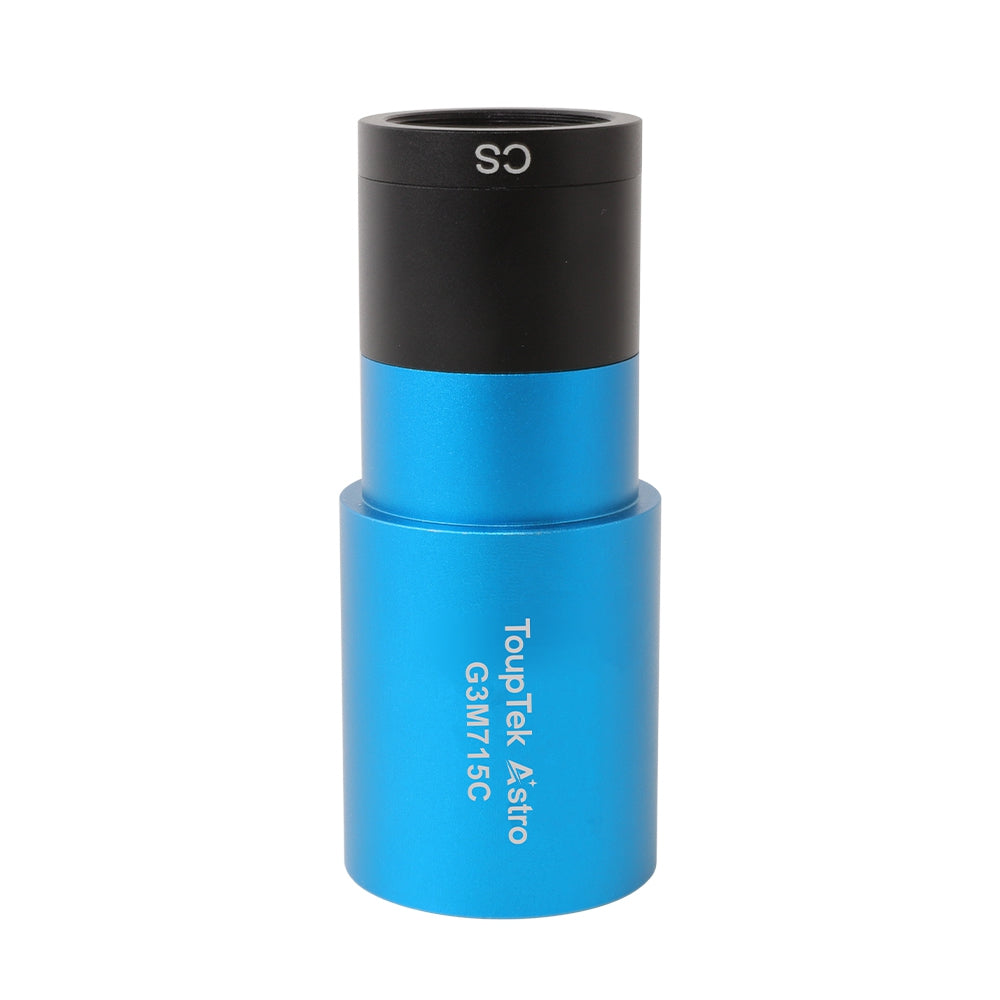
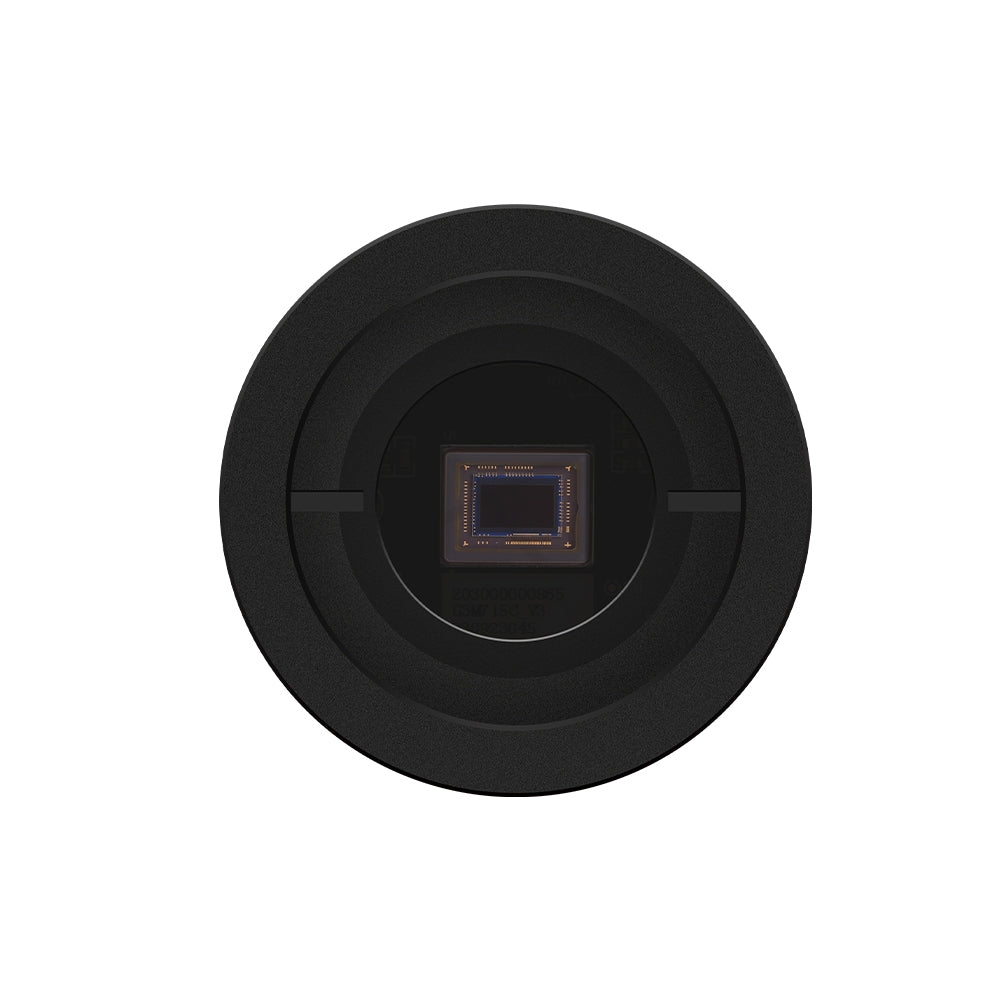
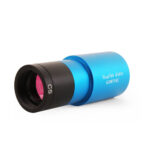
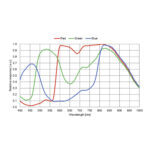


The G3M715C has the Sony IMX715 sensor of 1/2.8 inch with 3840 x 2160 pixels at just 1.45 micrometers. Thanks to those small pixels, you often don't need a Barlow lens on telescopes around f/7 to f/10 to get planets in the frame large enough. That saves a lot of glass in the light path.
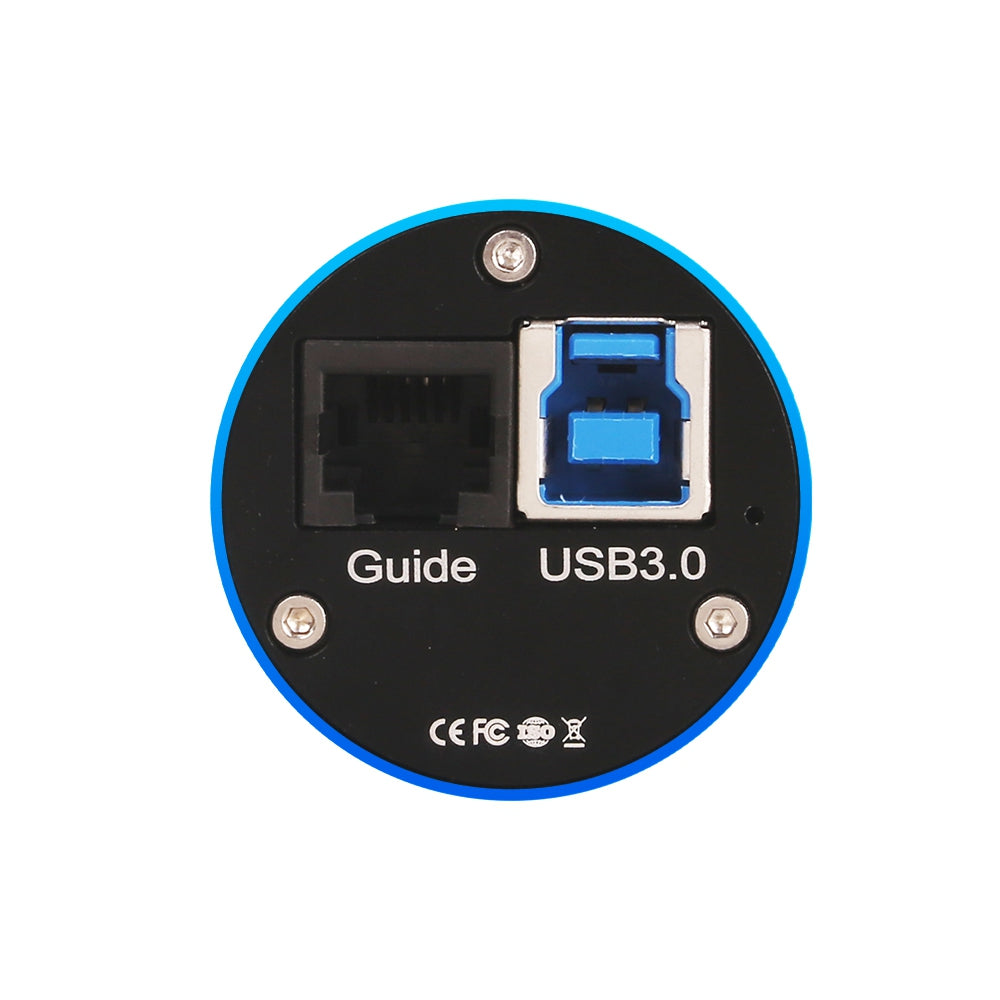
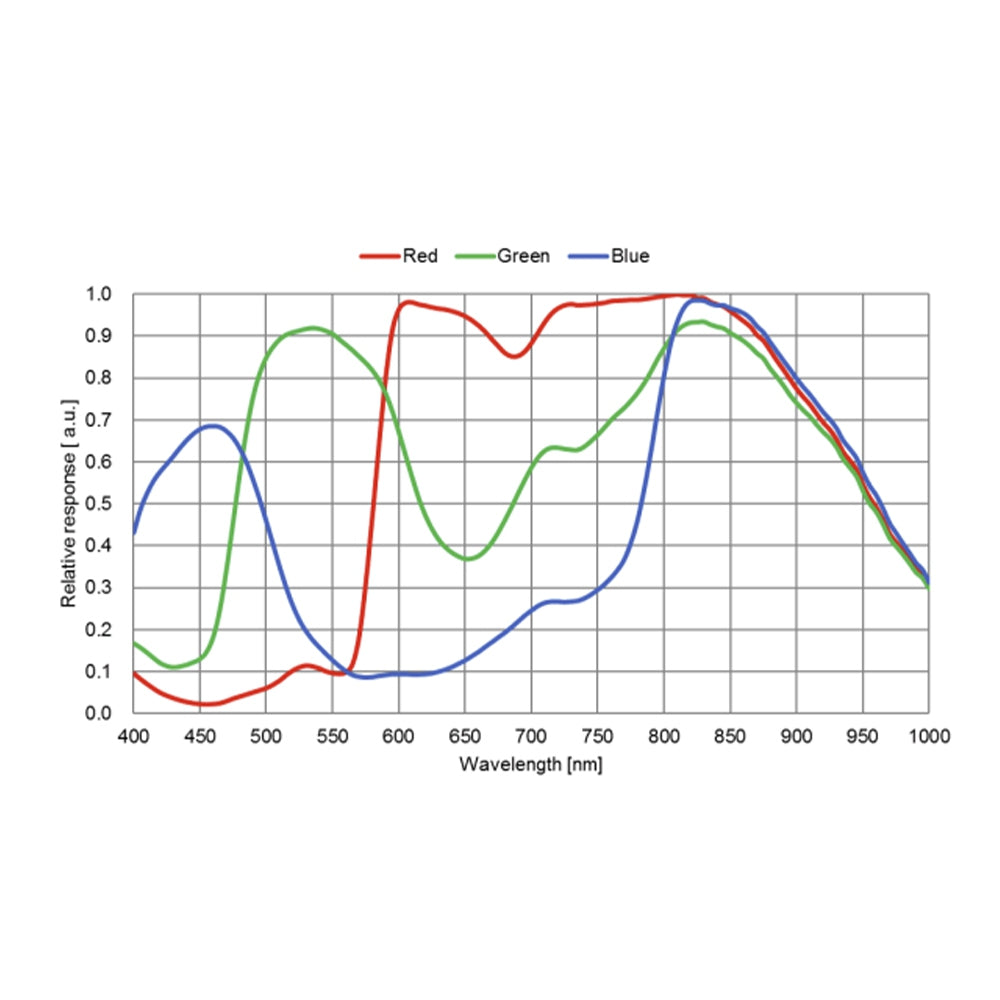
The read noise starts at 0.57 electrons and the sensor is sensitive in the near-infrared range, useful with an IR pass filter of 850 nm or a methane filter. USB 3.0 and 512 MB DDR3 buffer ensure a stable transmission, and with a small cutout (ROI) the image speed goes up significantly.
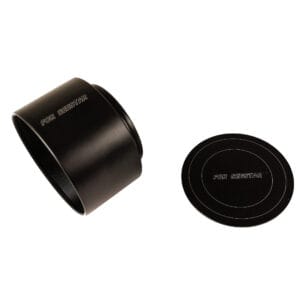
The camera has a C-mount connection and comes with a 1.25 inch barrel.
The camera works with ToupSky, SharpCap, FireCapture and N.I.N.A. Note: The ZWO ASIAIR only supports ZWO cameras; with the ToupTek StellaVita you can still work wirelessly.
Who is this camera for?
Hello who is looking for an affordable first planetary camera for the moon, the sun (with a good solar filter) and planets.
Not Anyone who wants to photograph deep-sky objects; the small sensor and pixels are not designed for that purpose.
Specifications
| Sensor | Sony IMX715, color, 1/2.8 inch |
| Resolution | 3840 x 2160 (8.3 MP) |
| Pixel size | 1.45 micrometers |
| Reading noise | from 0.57 e |
| AD conversion | 12-bit |
| Buffer | 512 MB DDR3 |
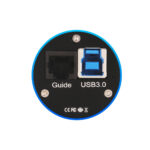
| Connection | USB 3.0 |
| Cooling | no |

Reviews
There are no reviews yet.