
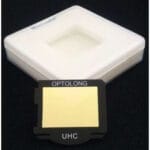
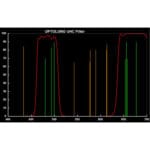


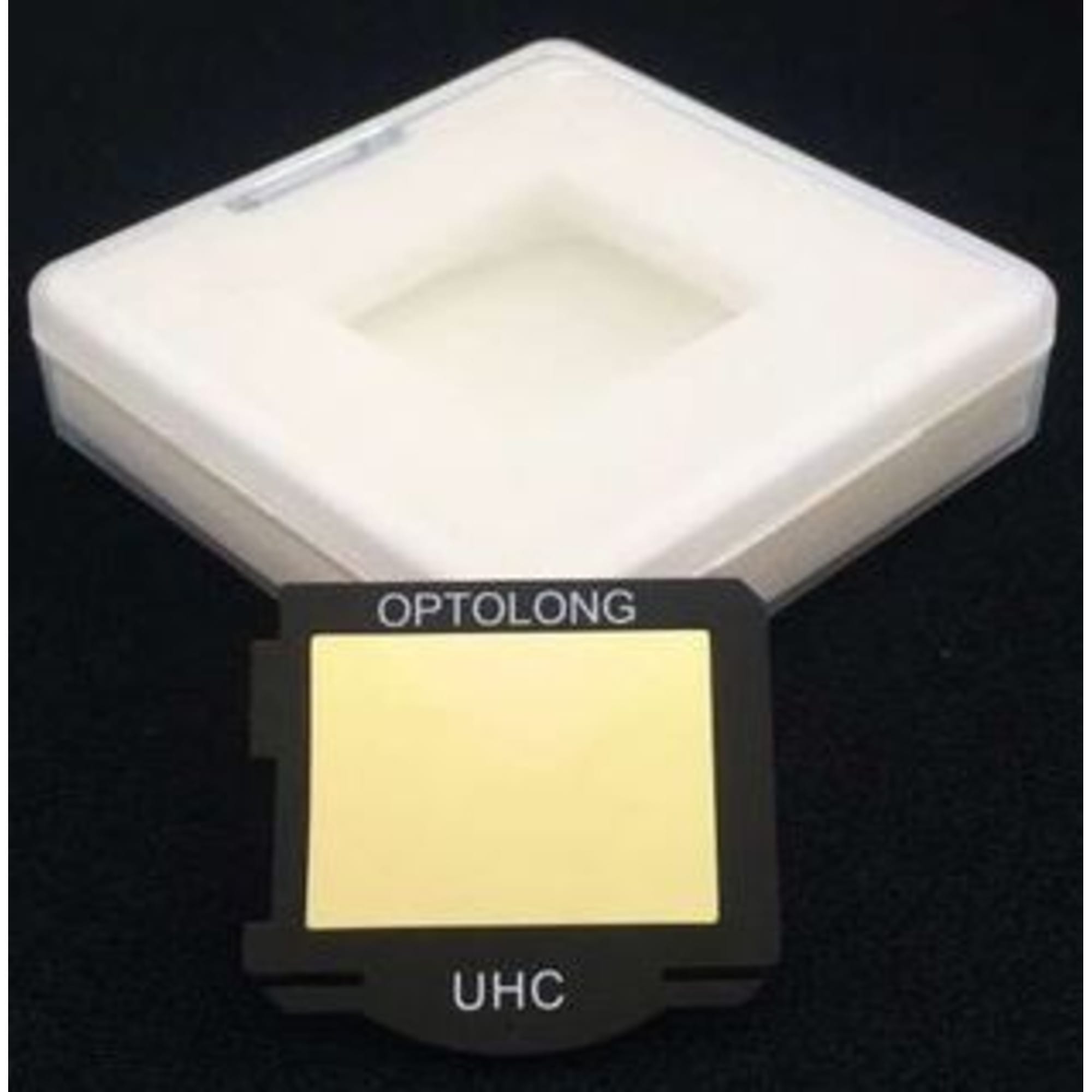
Optolong Filters Clip Filter for Canon EOS APS-C UHC: Maximum Nebula Contrast from the Body
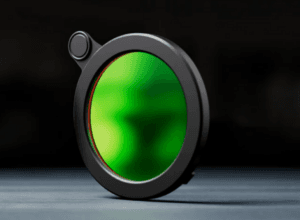
UHC stands for Ultra High Contrast: this filter primarily allows the emission lines of nebulae (including H-beta, OIII, and H-alpha) to pass through and blocks the broad spectrum of streetlights and skyglow. Compared to a CLS filter, the transmission is narrower, resulting in significantly more contrast for emission nebulae.
As a clip filter, you click it directly into the camera body, in front of the sensor. Then you can photograph with any lens or via the telescope, without separate filter holders. Note for Canon APS-C: EF-S lenses cannot be used with a clip filter; EF lenses and telescope adapters can.
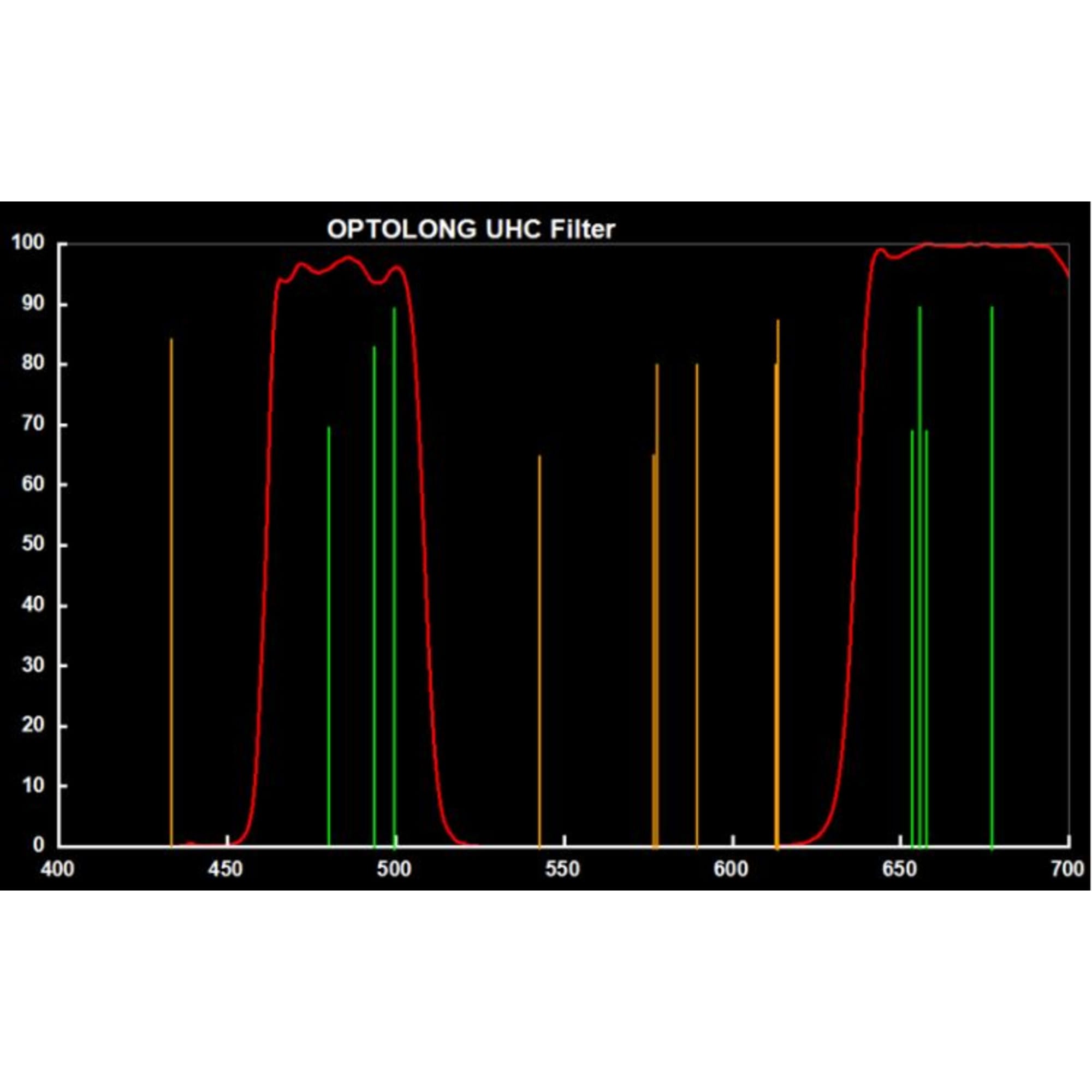
When UHC instead of CLS
Choose UHC if emission nebulae are your main target: the Orion Nebula, the North America Nebula, or the Rosette Nebula. For broadband objects like galaxies, a CLS or L-Pro filter is more suitable because they allow more of the continuous spectrum to pass through.
Practical to use
The filter can be installed and removed without tools, while simultaneously protecting the sensor from dust.
Featured accessories
For galaxies and natural color balance, the Optolong L-Pro clip is the complement to this UHC filter.
For whom yes and for whom no
- ✓ Photographers of emission nebulae under light-polluted skies
- ✓ Those who want to capture nebulae with a camera and photographic lens
- ✗ For those who primarily photograph galaxies and star clusters: choose CLS or L-Pro
Specifications
| Type | UHC clip-on filter (Ultra High Contrast) |
| Camera system | Canon EOS APS-C |
| Passage | Nebula emission lines, including H-beta, OIII, and H-alpha |
| Placement | In the camera body, in front of the sensor |
| Observation goals | Emission nebulae under light-polluted skies |
You can find more accessories for this merk at the Optolong merk page.


Reviews
There are no reviews yet.