








Dew hoods and ventilation: the battle against moisture and condensation
Anyone who explores the night sky in the Netherlands or Belgium inevitably encounters the astronomer's greatest enemy: moisture. As soon as night falls and the temperature drops, water vapor condenses on any surface colder than the surrounding air. For a telescope, this is disastrous. A fogged lens or mirror makes observing impossible and, in the long run, can corrode precious coatings. Dew hoods and ventilation are therefore not a luxury, but an essential part of your equipment.
At telescoop.nl, we understand the frustration of a prematurely aborted session. That's why we've put together a range that ranges from passive protection to active electronic moisture control.
How does dew form on a telescope?
Dew occurs when the temperature of your telescope's optics drops below the so-called dew point. This happens faster than you think, especially in telescopes with a front corrector plate, such as schmidt-cassegrains (sct) and maksutovs. Because the lens is directly facing the cold sky, it radiates its heat into space at lightning speed (radiative cooling). Without proper dew hoods and ventilation within an hour you are looking at a blurry spot instead of the rings of saturn.
The dew cap: the first line of defense
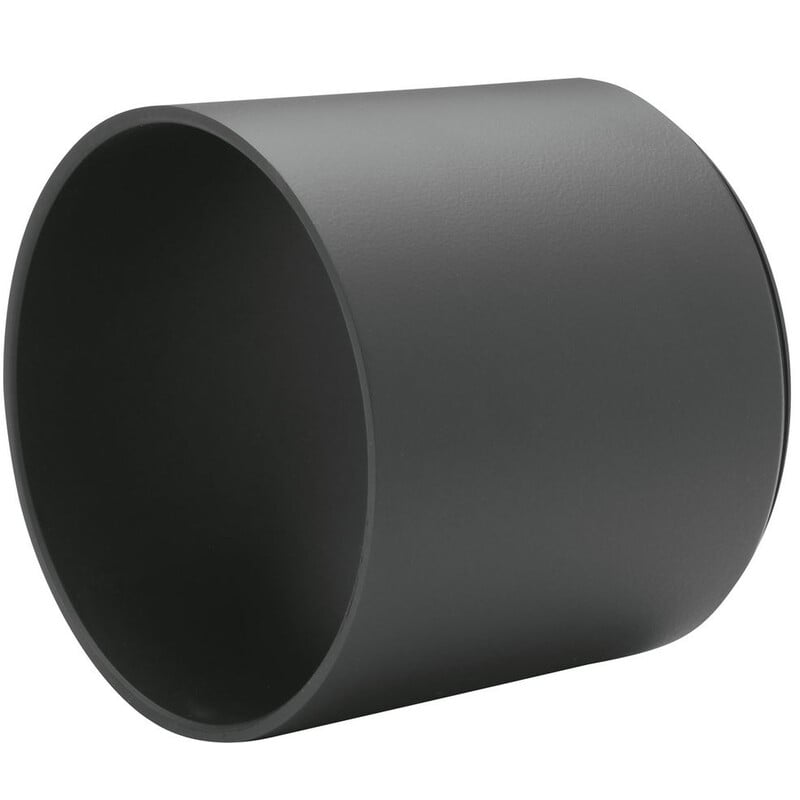
A dew cap is the simplest and most effective way of passive protection. It is basically an extension of your telescope tube.
Why a dew cap works
By extending the tube, you shield the lens from the open sky. The lens "sees" less of the cold space, causing it to radiate less of its heat. Furthermore, the dew shield keeps the air immediately in front of the lens slightly warmer and calmer.
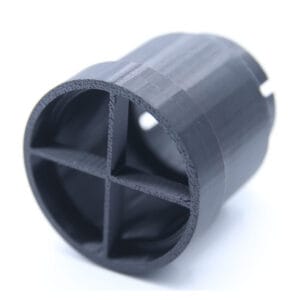
Flexible dew caps: These are often made of durable plastic or rubber and can store flat. They are lightweight and ideal for the traveling astronomer.
Fixed dew caps: Often made of metal, they offer maximum strength and are sometimes lined with felt on the inside to absorb stray light.
An added benefit of a dew hood is that it acts as a sunshade against stray light from lampposts or the moon, which directly improves the contrast of your image.
Active ventilation and heat management
Sometimes a passive hood is not enough, especially during humid autumn nights. That's when it's time for active dew hoods and ventilation.
Ventilation for mirror telescopes
With newton telescopes and dobsons, the problem is often not so much condensation on the main mirror (it is safely deep inside the tube), but the temperature difference between the mirror and the outside air. A warm mirror causes air swirls (tubus-seeing), which causes an out-of-focus image.
Mirror fans: These draw in cold outside air and blow it past the mirror. This causes the mirror to cool faster to ambient temperature and eliminates the annoying layer of warm air in front of the surface.
Heated dew hoods
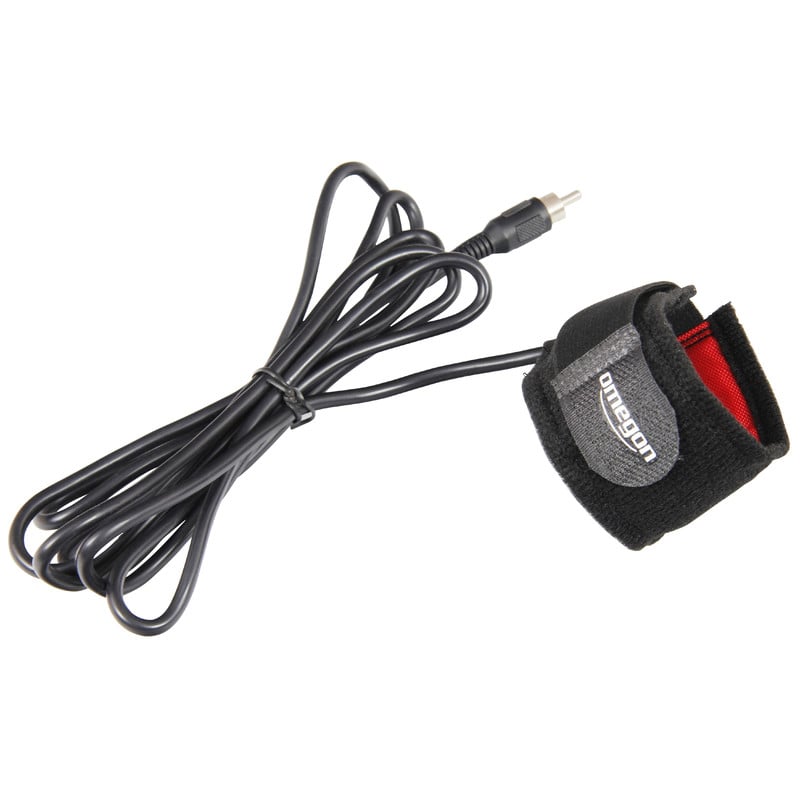
For sct and maksutov users, there are heated dew hoods. These combine the passive protection of a hood with a built-in heating element. This element keeps the corrector plate only one or two degrees above ambient temperature. This is enough to prevent condensation, but too little to create image-distorting heat effects.
The role of dew controllers and sensors
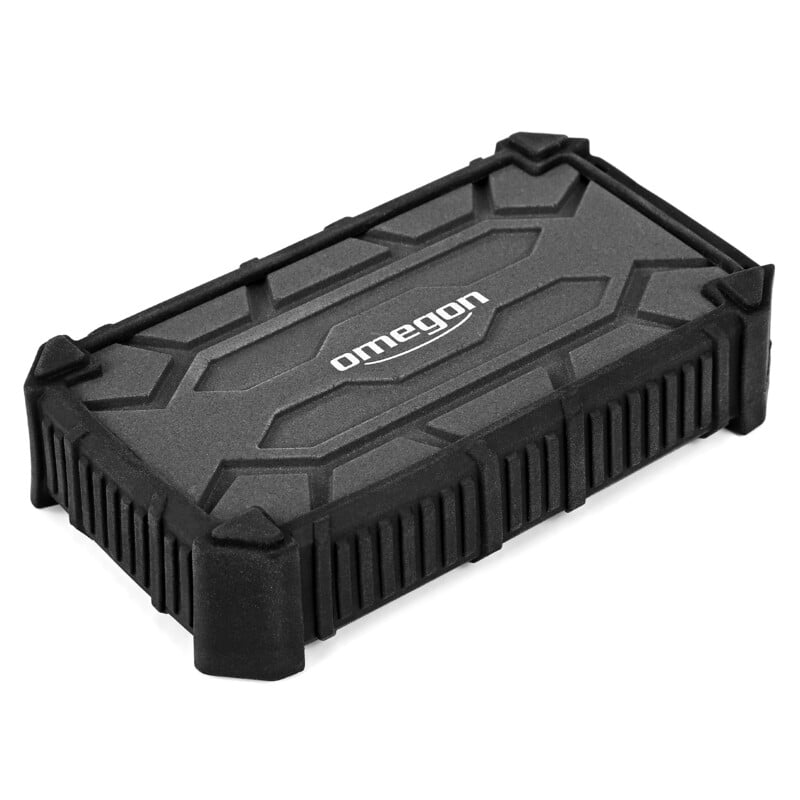
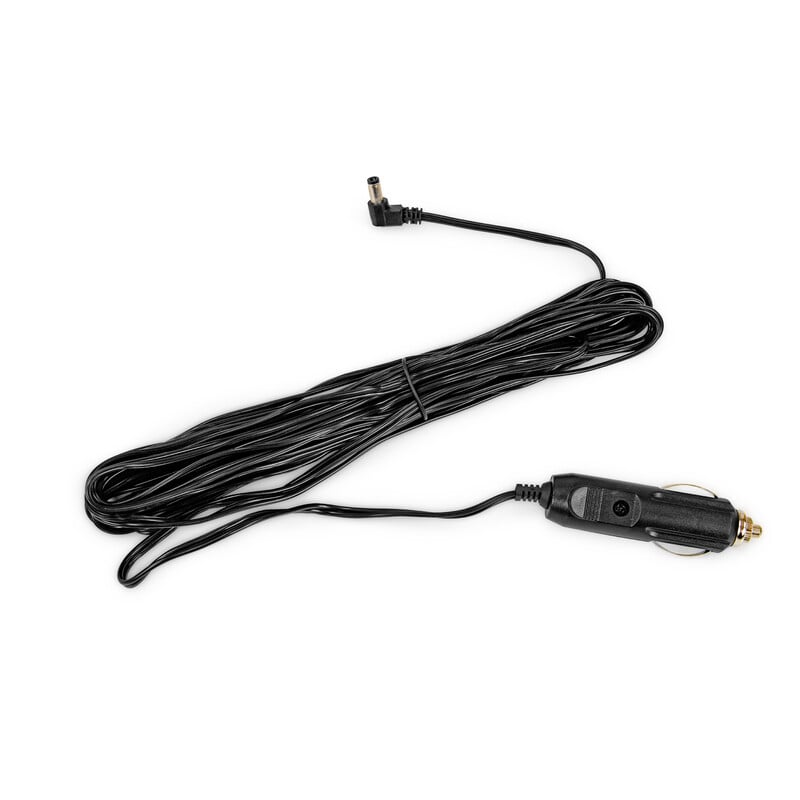
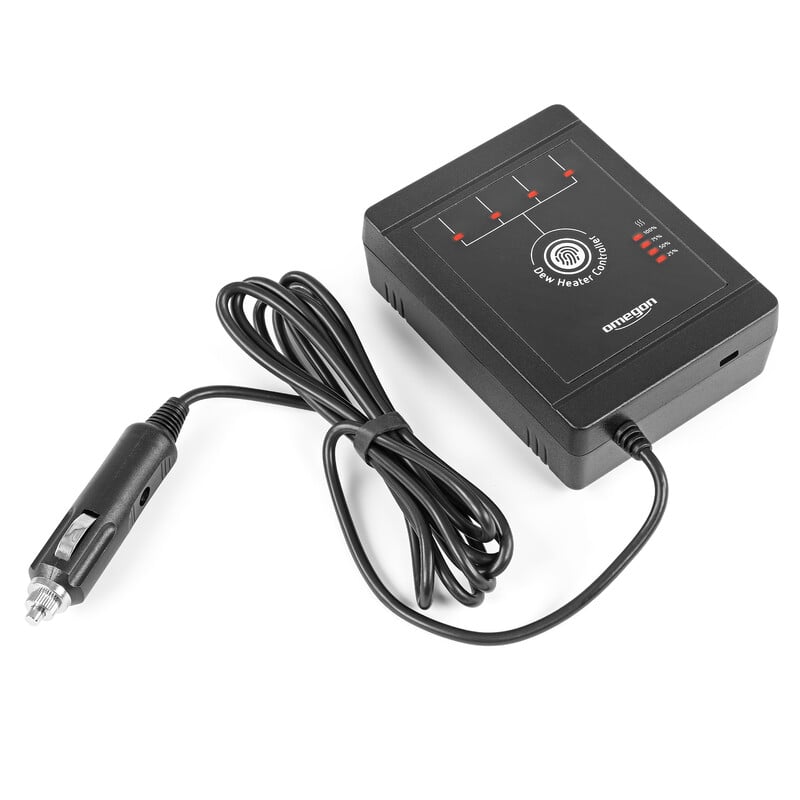
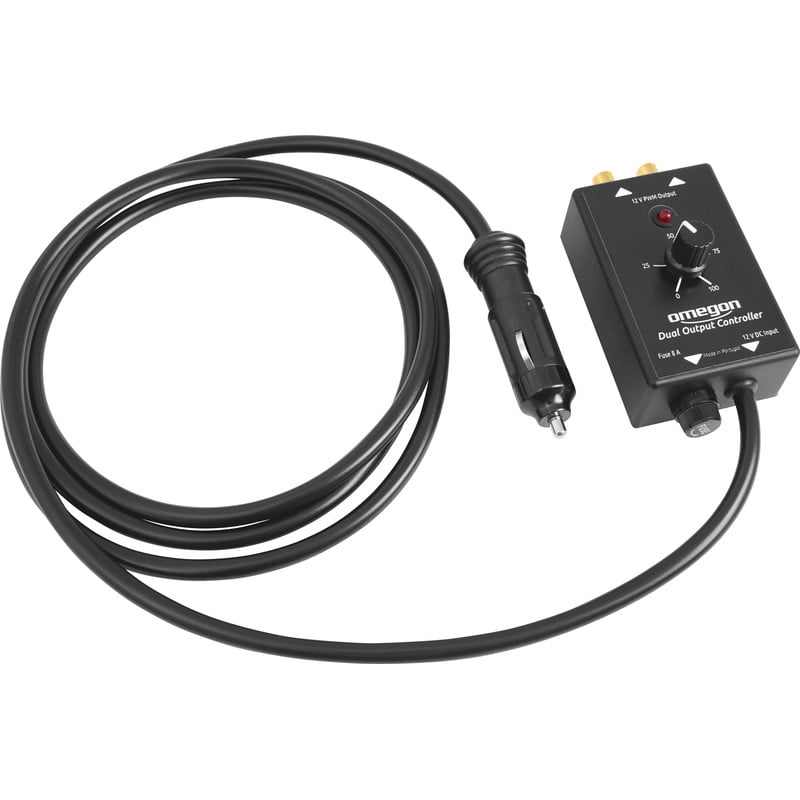
In modern astronomy, you no longer have to turn knobs manually. With intelligent dew controllers, you can fully automate the process. These devices use sensors to measure ambient temperature and humidity. They continuously calculate the dew point and control your heating ribbons or ventilated dew hoods just hard enough. This saves precious battery power, which is essential during an all-night observation in the field.
Maintenance after a wet session
Despite the best dew hoods and ventilation your telescope can get soaking wet on the outside. The most important rule for aftercare is: never close your telescope directly with caps when it is damp.
Bring the telescope inside.
Leave the caps off and put the tube horizontally.
Allow the optics to dry naturally and acclimate.
Only when all the condensation is gone, replace the dust caps.
This prevents moisture from being trapped, which is the main cause of mold growth on the coatings of your lenses.
Frequently asked questions about dew and ventilation
Do I need a dew cap for my newton telescope? The main mirror of a newton sits deep inside the tube and almost never fogs up. However, the catch mirror (the small mirror near the aperture) is very sensitive to dew. A small dew cap or a heating element behind the vang mirror is therefore highly recommended.
Doesn't heating cause blurred images? If you overheat the optics, yes. That's why it's important to use heating tape with a regulator or controller. You don't want to make the lens "hot," just a fraction warmer than the outside air.
Can I use a hair dryer to remove dew? In an emergency, a hair dryer on the lowest setting can help to quickly clear a fogged lens. However, be extremely careful: too much heat can damage the glue between lens elements or coatings. Moreover, dew often returns within minutes if you don't use a structural solution such as a dew cap.
Why buy your dew protection from telescoop.nl?
At telescoop.nl, we are experts by experience. We know what it is like to see a perfectly clear night fail due to a fogged up corrector plate. That's why we advise every customer with a lens telescope or sct to immediately install an appropriate dew hood or ventilation solution purchase.
We offer:
Size recommendation: We know exactly what diameter dew cap will fit your specific telescope model.
Top brands: From simple flexible hoods to the most advanced digital controllers.
Speed: Ordered before 11:59 p.m. often means you'll be back looking at the stars with a dry lens within 48 hours.
Don't let moisture ruin your night. Invest in the right protection and enjoy crystal clear images all night long.