
Guidescopes
Not sure what suits your setup? We are stargazers ourselves and happy to help.
Send us a WhatsApp messageWe reply on weekdays between 9:00 and 17:00.
Showing 1–20 of 25 resultsSorted by popularity
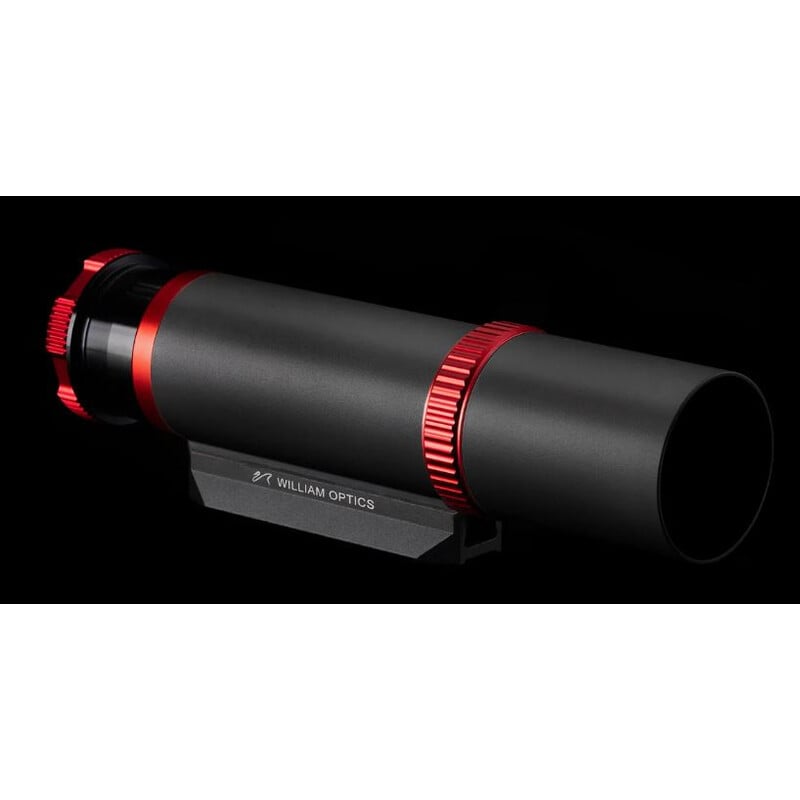
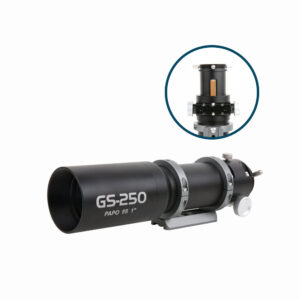
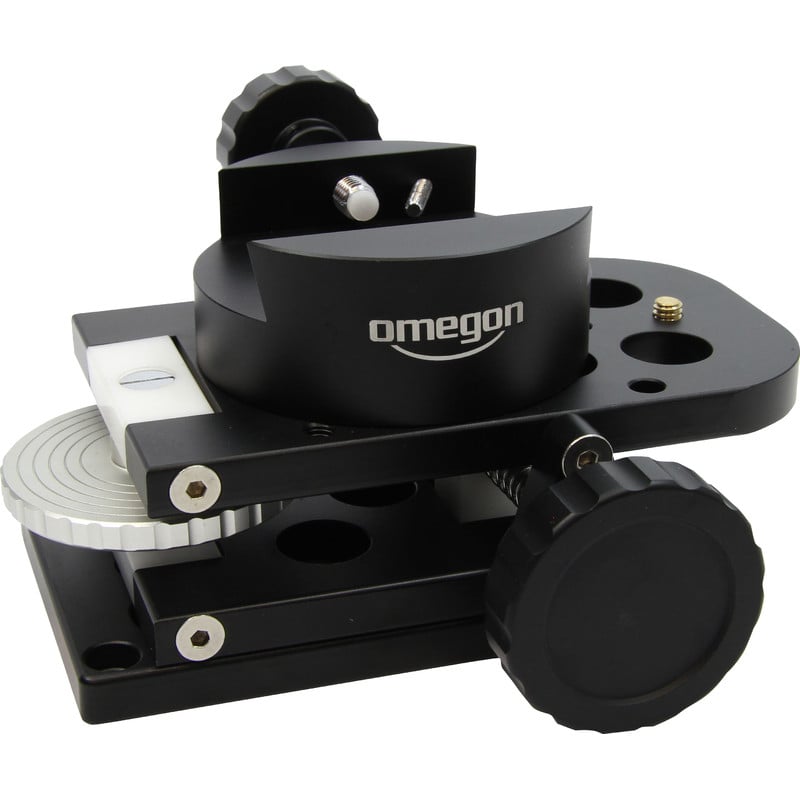


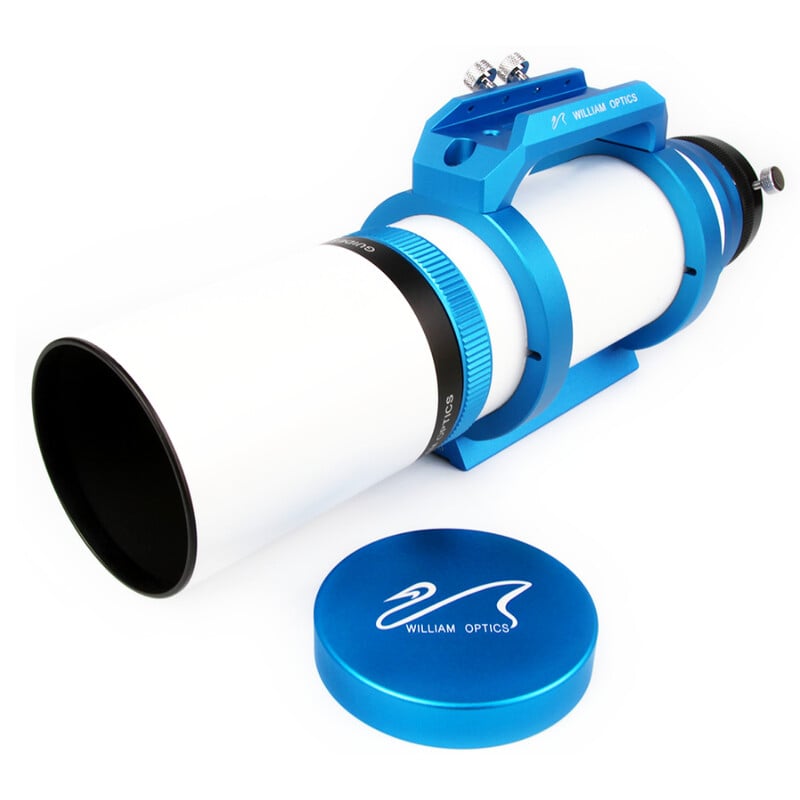
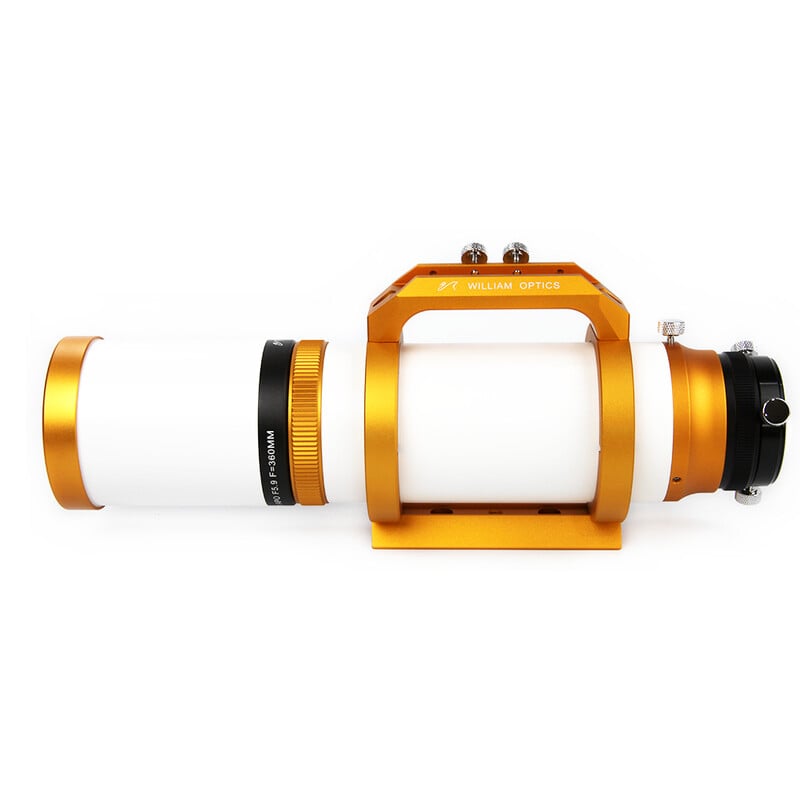
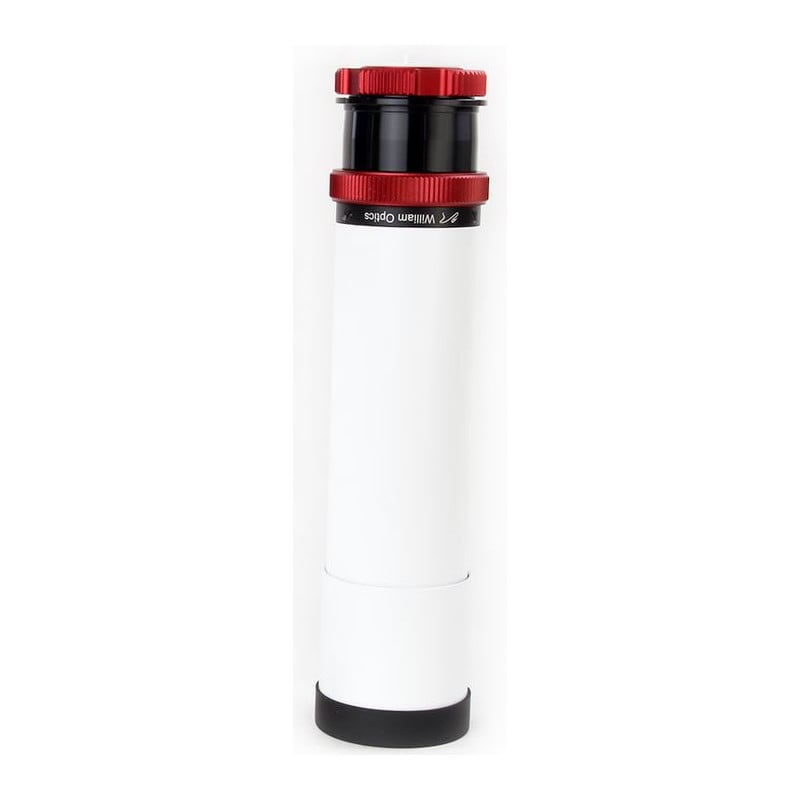
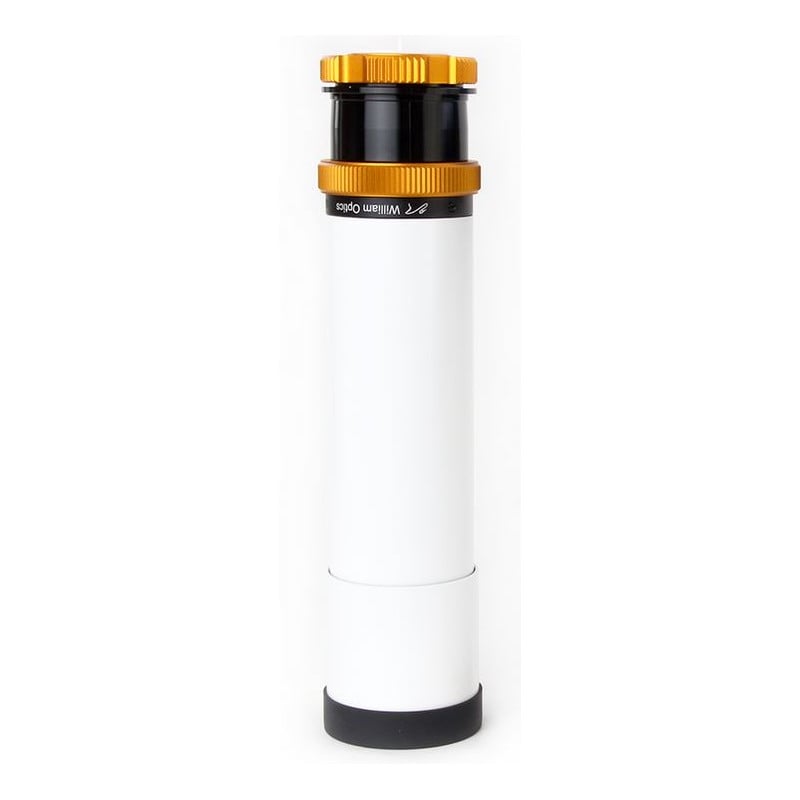
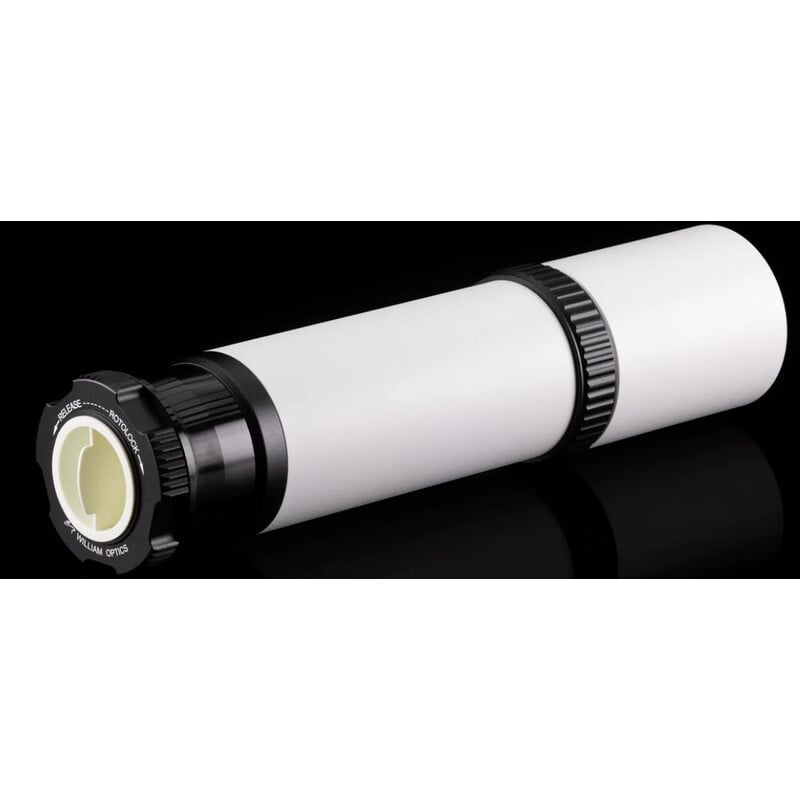
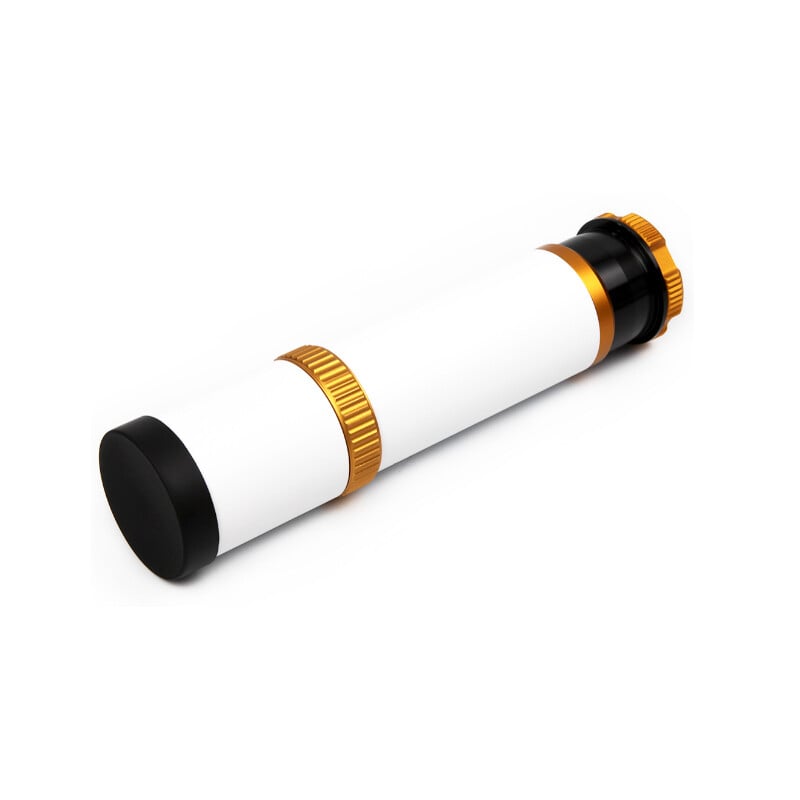
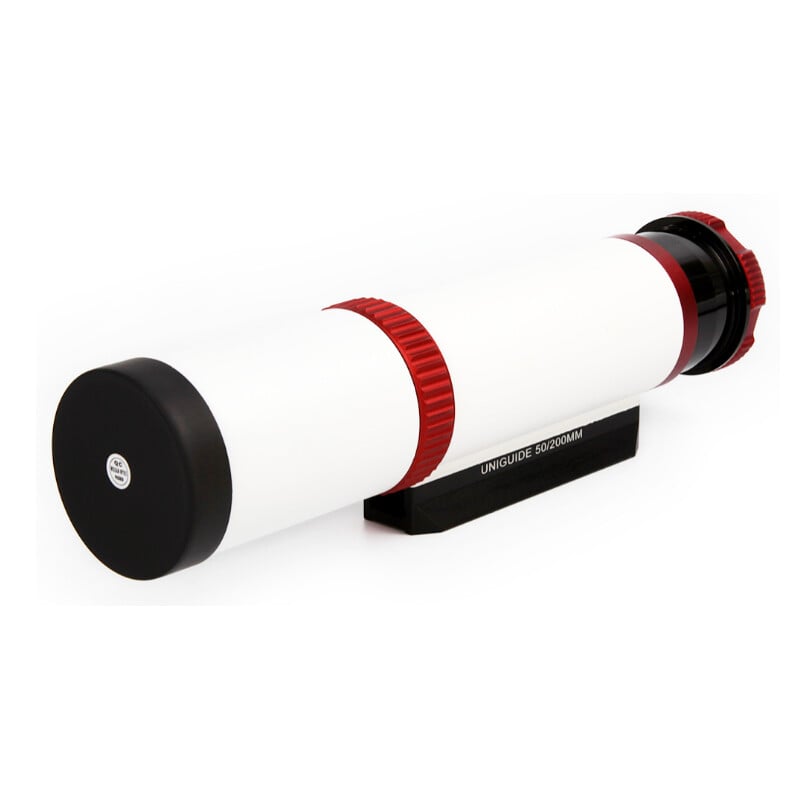
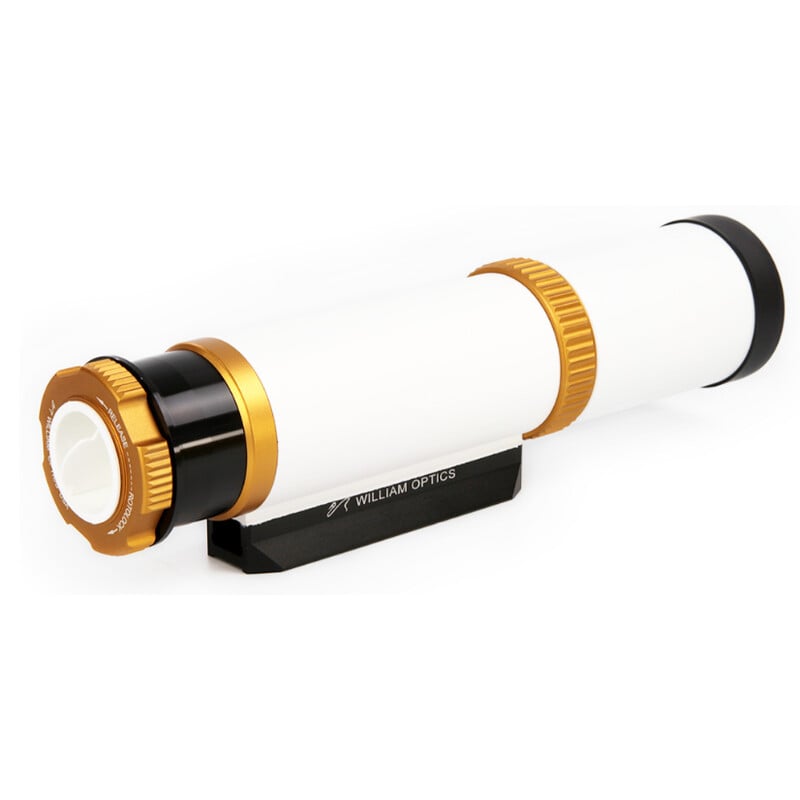
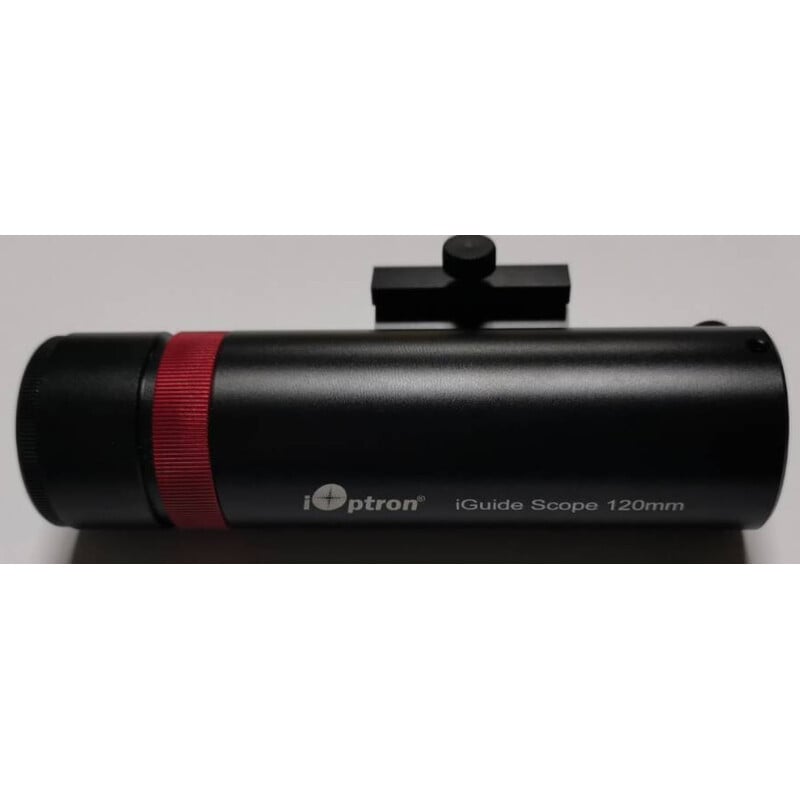
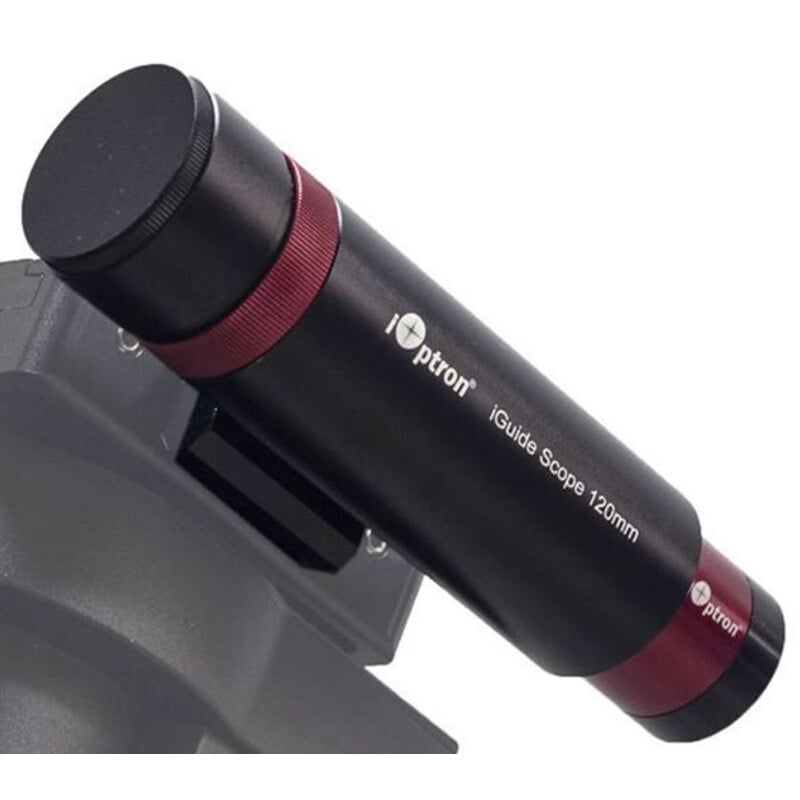
Showing 1–20 of 25 resultsSorted by popularity
All About Guiding Scopes: The Key to Pinpoint Astrophotography
Want to peer deep into space and capture nebulae or galaxies with long exposure times? Then you need a guidescope (guidescope) an indispensable part of your setup. Even the most accurate mount has minor deviations; a guidescope corrects these errors in real-time, ensuring your stars always remain perfect pinpricks instead of streaks.
What is a guidescope?
A guidescope is a smaller, secondary telescope mounted on top of or next to your main telescope. Instead of an eyepiece, you place a special Camera guide This camera focuses on one specific ‘guide star’ and meticulously monitors if it shifts.
When the star moves a fraction of a millimeter, the software immediately sends a signal to your mount to correct its position. This process is called autoguiding.
Why do you need a guidescope?
Long exposures For deep-sky photography, exposures of 5, 10, or even 20 minutes are often necessary. Without guiding, the slightest mechanical inaccuracy will result in blurry photos.
Correction of periodic errors Every mount has gears that are never 100% perfectly round. A guidescope picks up these fluctuations.
Better pool alignment: Although a good polar alignment is the foundation, autoguiding compensates for the final small deviations that can occur during a night.
What should you pay attention to when buying?
When choosing the right guidescope for your setup, three factors are crucial:
Focal length: As a general rule, the focal length of your guidescope should be about 1/3 to 1/10 of that of your main telescope. For modern software, a compact 30mm or 50mm guidescope is often sufficient for most refractors.
Aperture The faster (lower f-number) the viewer, the brighter the stars will appear on your guide camera. This makes it easier to find a suitable guide star in any part of the sky.
Sturdiness Flexure (the bending of the guidescope relative to the main telescope) is the enemy of sharp photos. Opt for a sturdy mount with a dovetail or firm tube rings.