


Meer opening, meer detail: de sterke instapreflector
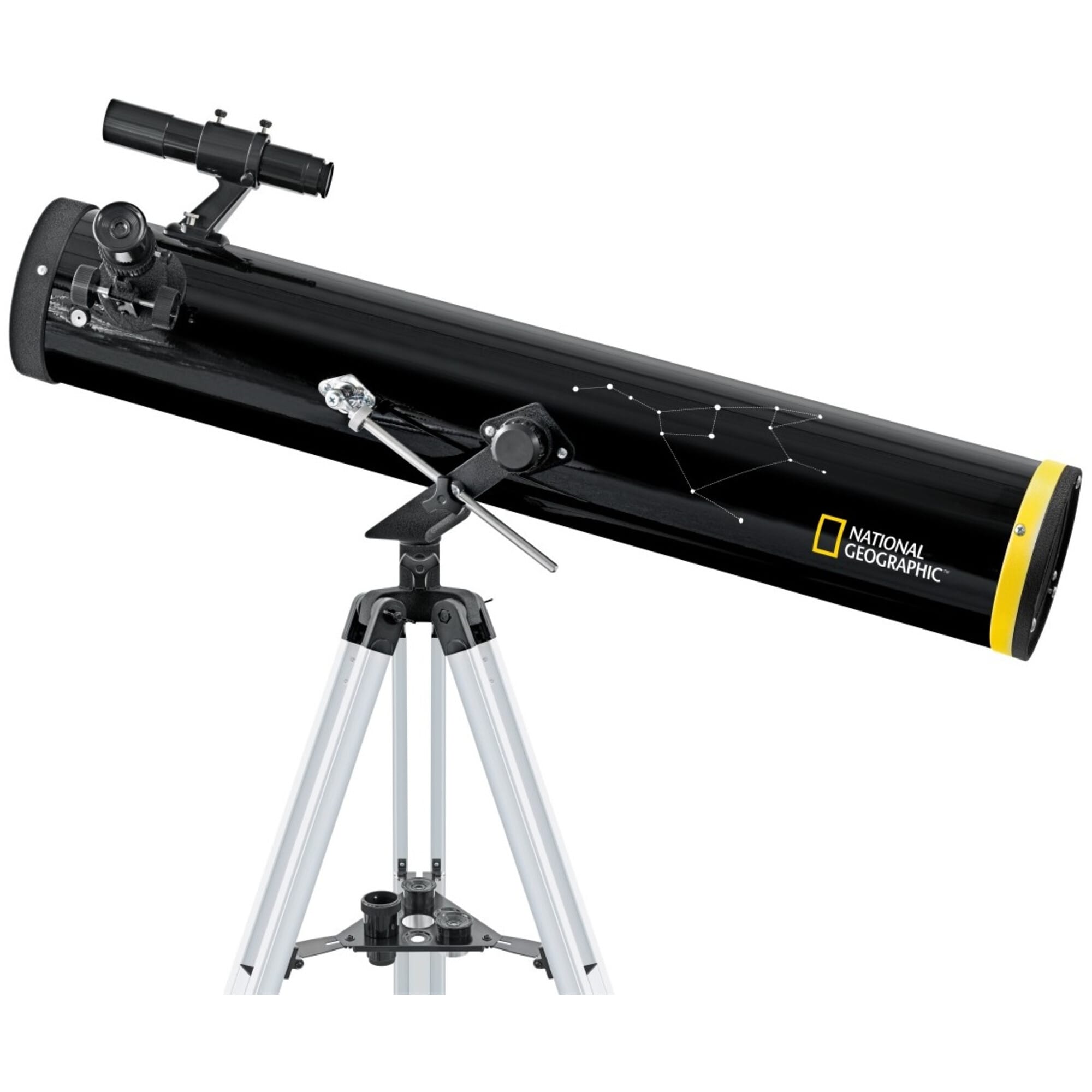
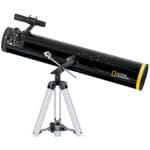
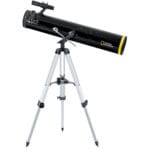
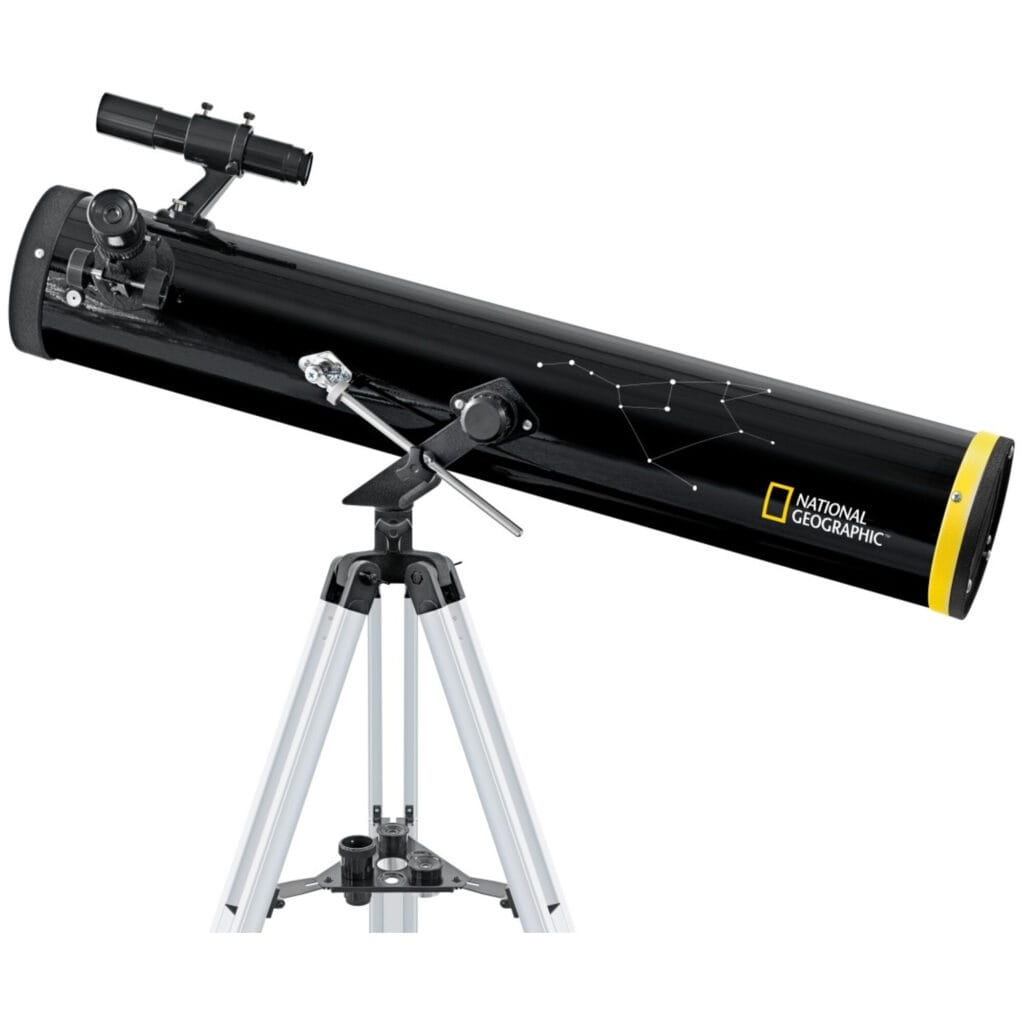
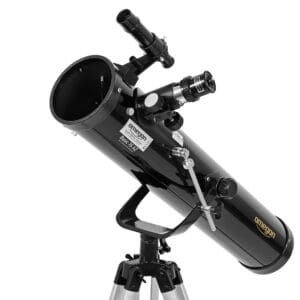
The National Geographic 114/900 Reflector biedt een sterke balans tussen lichtsterkte, scherpte en gebruiksgemak. De 114 mm spiegel vangt 2,25 keer zoveel licht als een 76 mm kijker. Genoeg om naast de Maan en planeten ook de eerste nevels en sterrenhopen helder te tonen. Je ziet maankraters in detail, de ringen van Saturnus duidelijk afgetekend en de wolkenbanden van Jupiter met zijn manen.
Scherp beeld, eenvoudige bediening
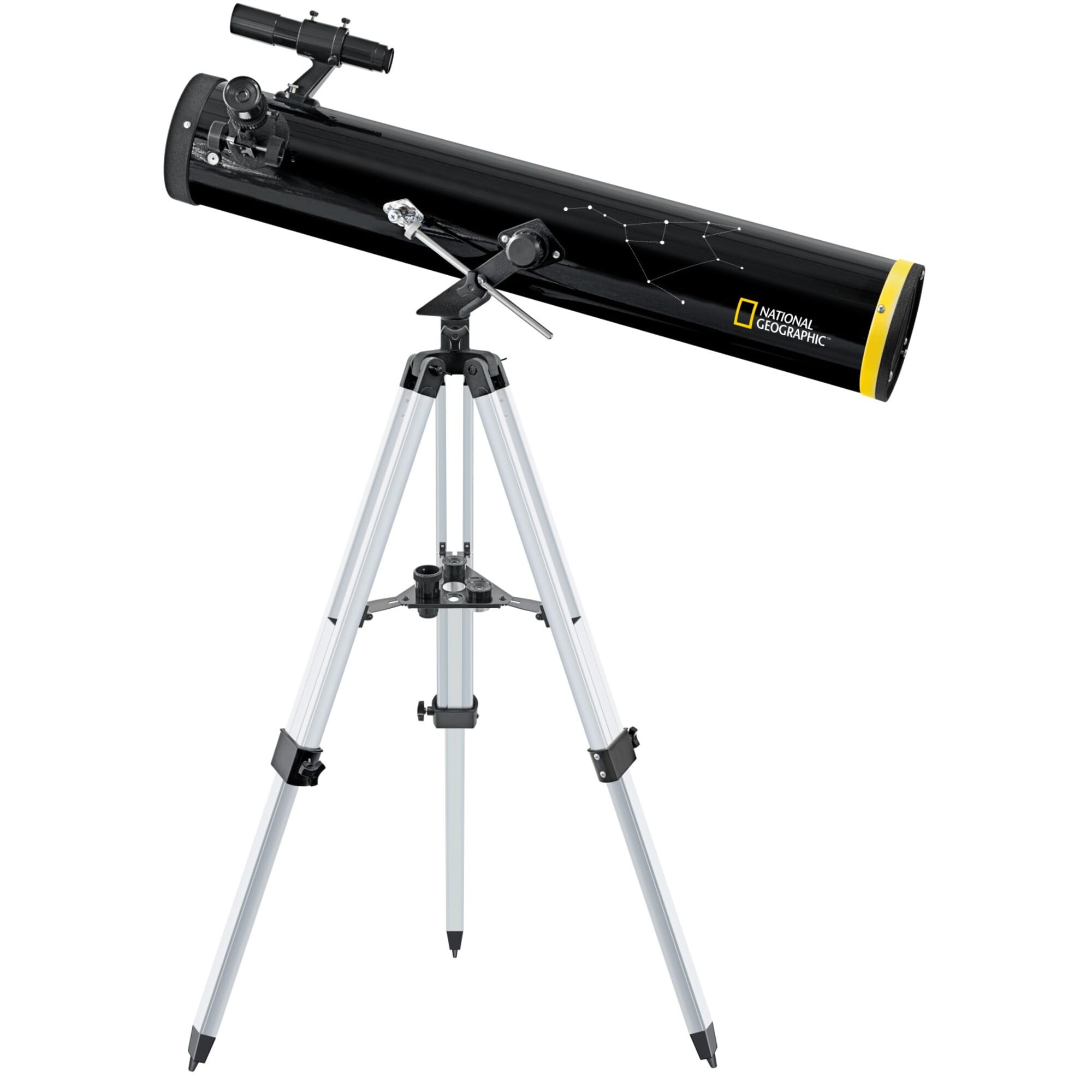
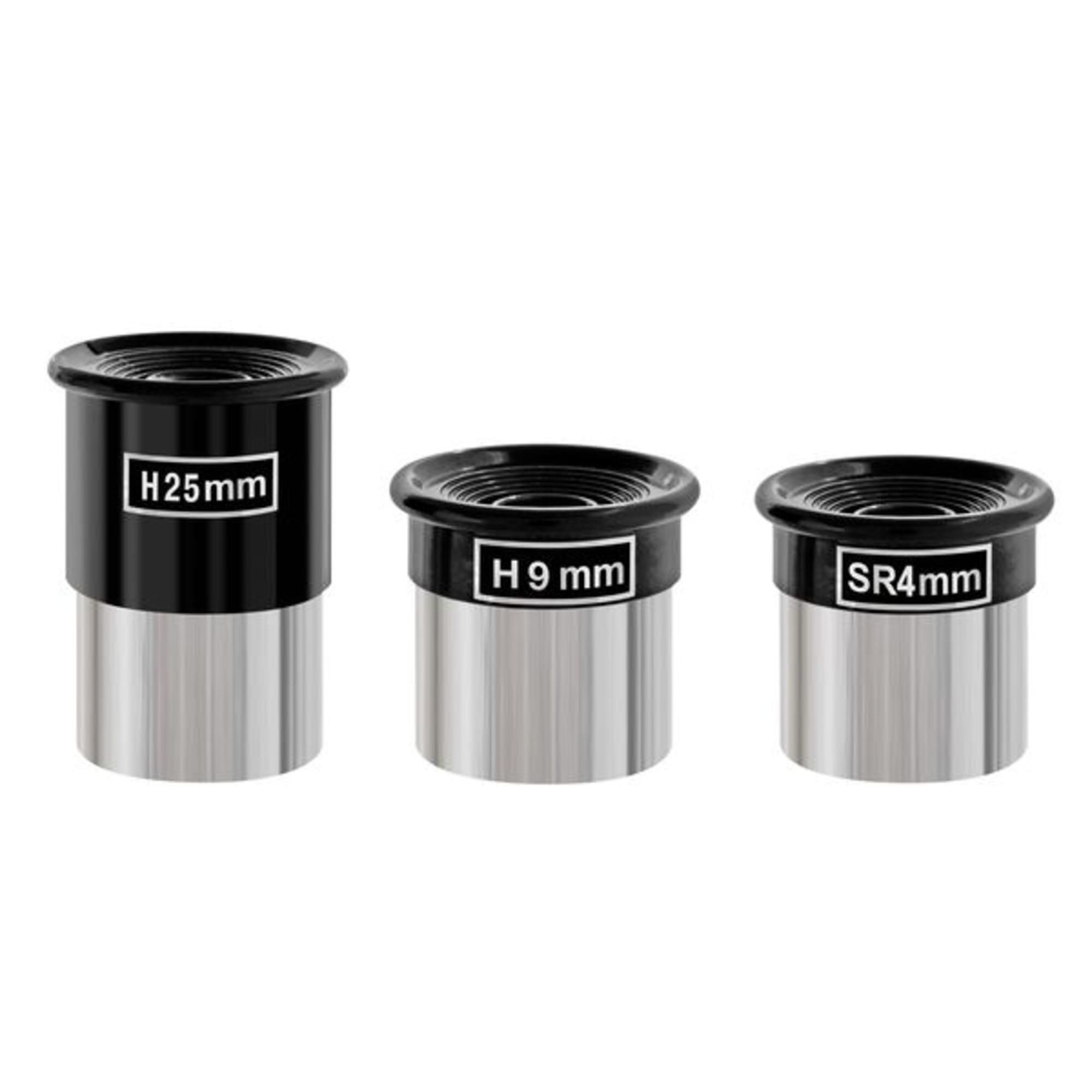
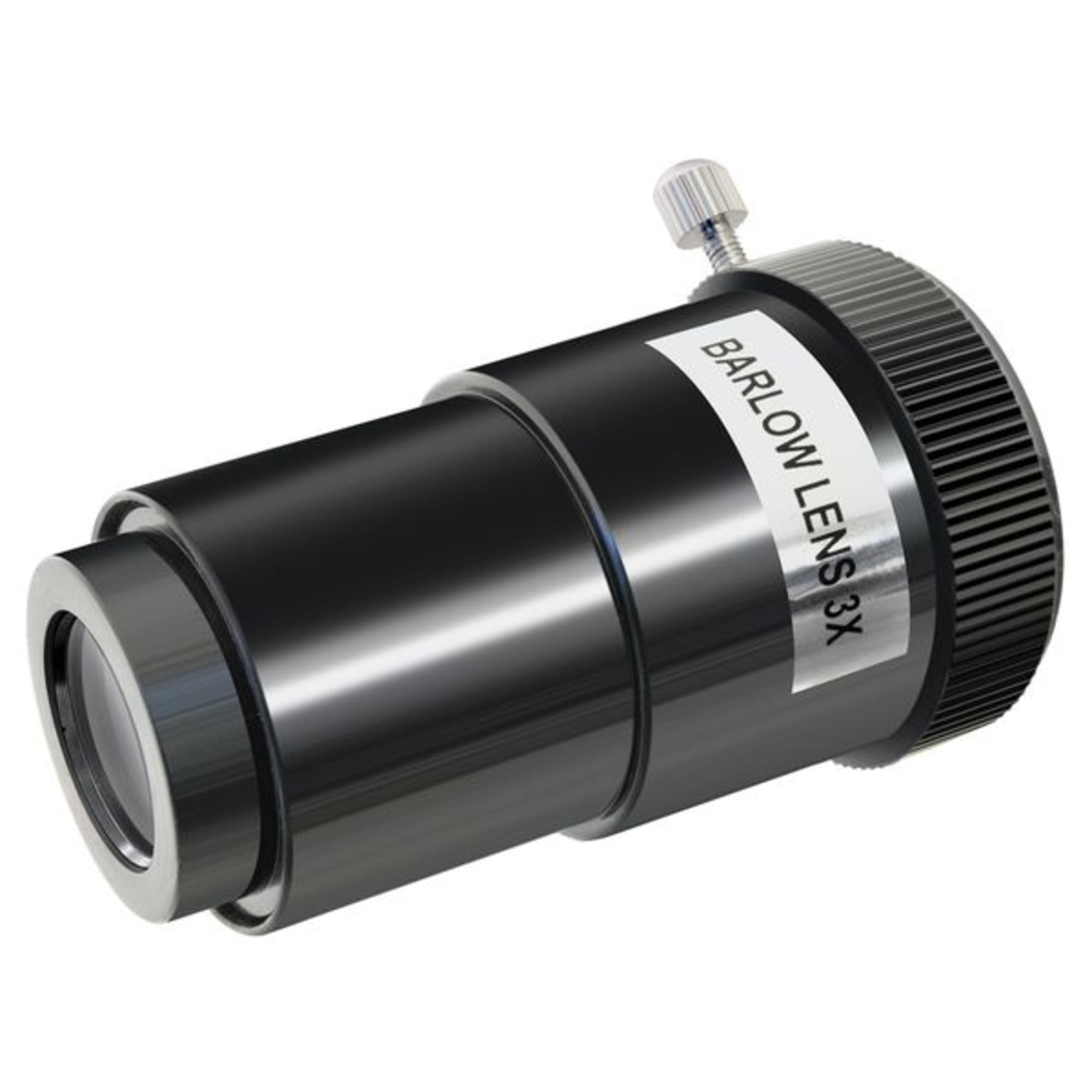
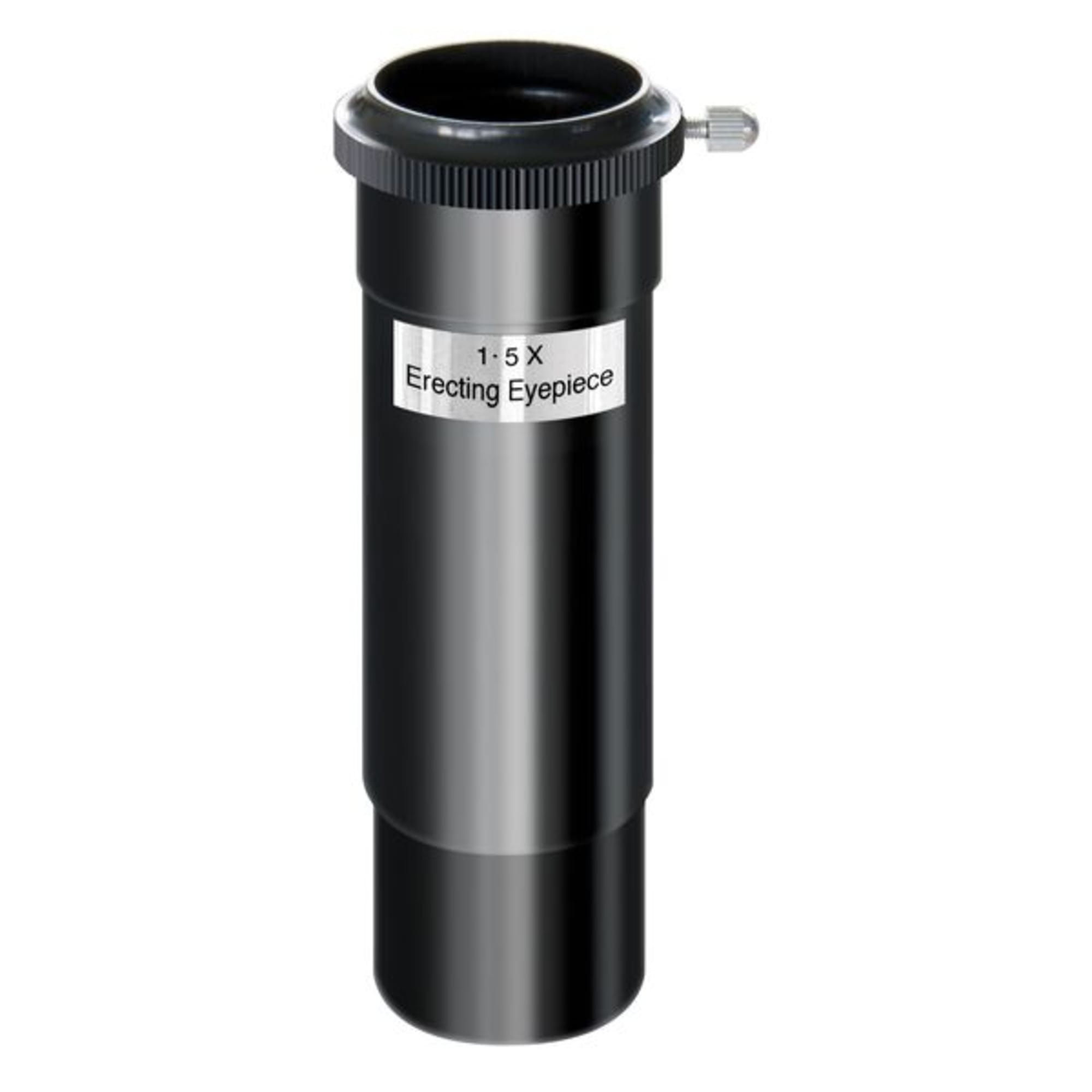
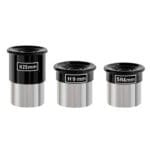
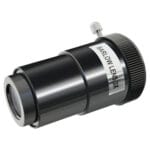
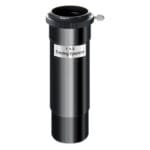
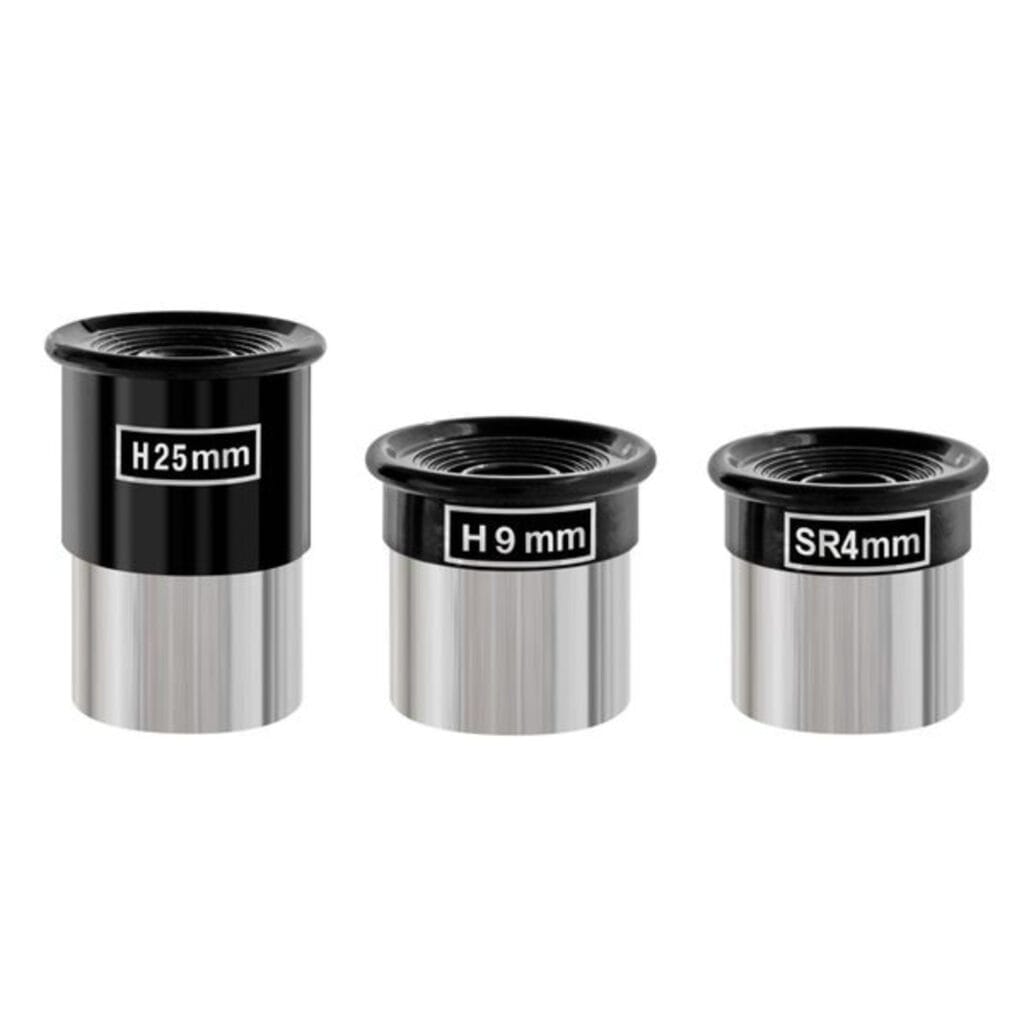
De 900 mm brandpuntsafstand (f/7,9) levert contrastrijke, scherp afgetekende beelden zonder kleurfouten en is vergevingsgezind bij het scherpstellen. De azimutale montering (AZ-1) werkt als een fotostatief: bewegen in hoogte en breedte, zonder ingewikkelde instellingen. Met drie oculairs (25 mm, 9 mm en 4 mm), de 3x Barlow-lens, de 6x30 zoeker en de omkeerlens kun je direct aan de slag. Realistisch zinvol is tot ongeveer 225x vergroting, twee keer de opening in millimeters.
In the box
- Optische buis 114/900
- AZ-1 azimuthal mount
- Aluminum Tripod
- Oculairs 25 mm, 9 mm en 4 mm
- 3x Barlow lens
- Inverted lens
- 6x30 binocular
- Manual
Featured accessories
A Omegon Premium Moon Filter 1.25 inch (19,90 euro) houdt de heldere Maan comfortabel voor je ogen; die zit bij dit model niet in de doos. Met de Bresser Deluxe Smartphone Holder (15,90 euro) maak je je eerste maanfoto’s door het oculair.
For whom yes, for whom no
Wel: beginners die méér willen zien dan alleen de Maan; de grotere opening geeft merkbaar meer detail en lichtopbrengst. Niet: wie hemelobjecten automatisch wil volgen of fotograferen met lange belichting; kijk dan bij de slimme telescopen.
Specifications
| Optical design | Newton reflector |
| Opening | 114 mm |
| Focal length | 900 mm |
| Opening ratio | f/7,9 |
| Mount | AZ-1 azimuthal |
| Eyepieces | 25 mm, 9 mm en 4 mm |
| Barlow lens | 3x |
| Seeker | 6x30 |
| Tripod | Aluminum tripod |
Still in doubt? Our Buyer's guide for beginners and the telescope selection aid help you choose. Also check out all telescopes for beginners and the full range of National Geographic.

Reviews
There are no reviews yet.