


More openness, more detail: the strong entry-level reflector
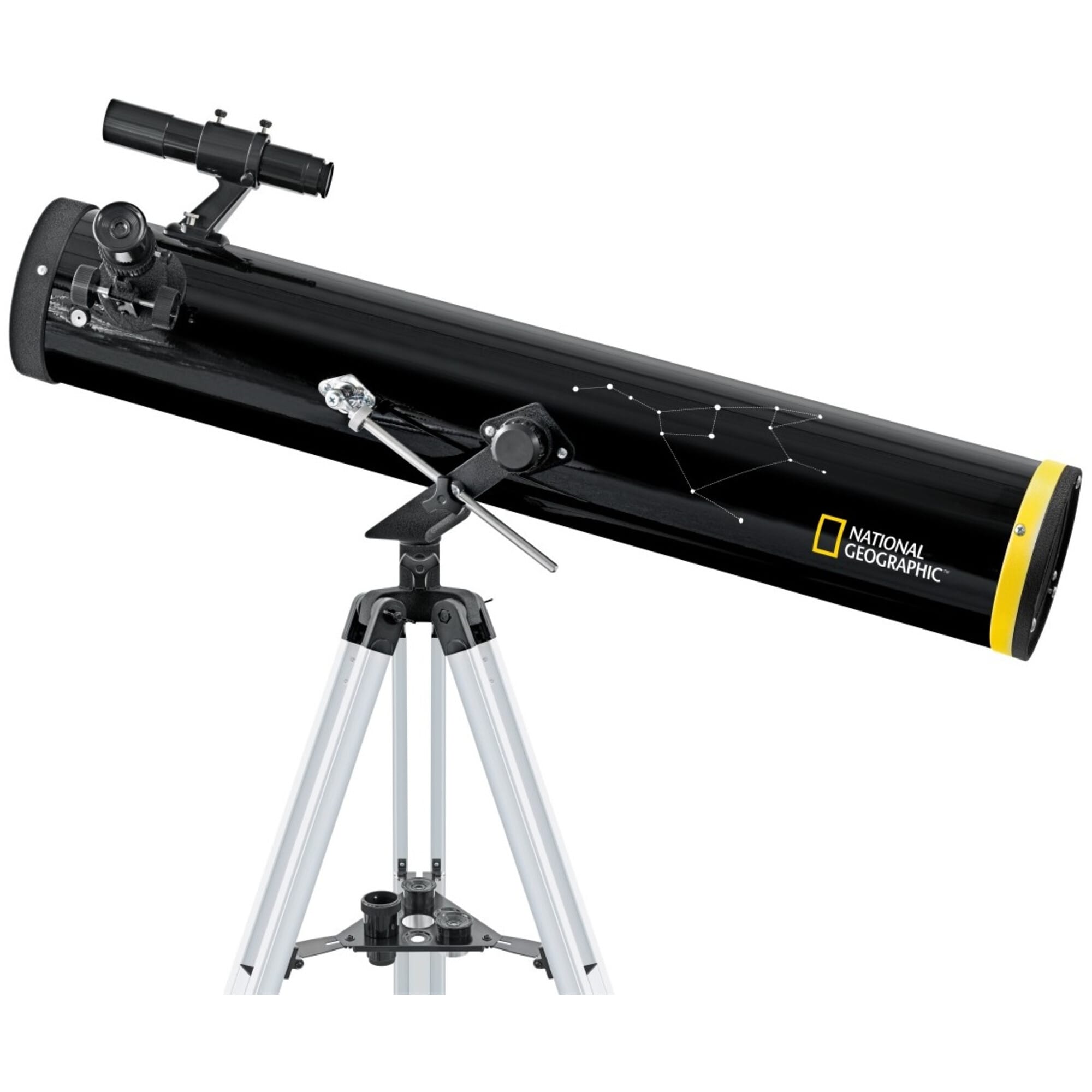
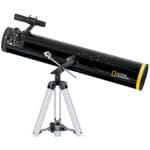
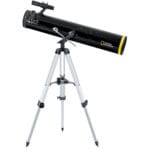
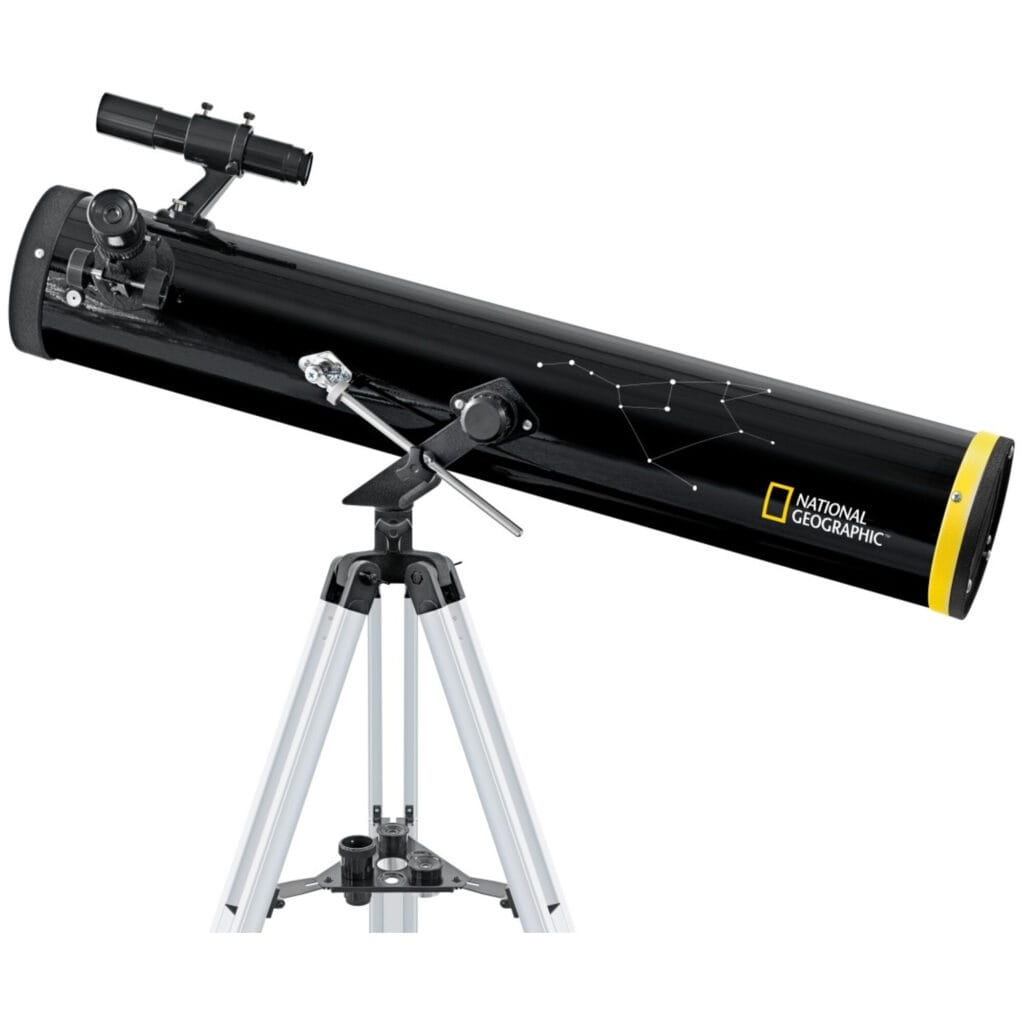
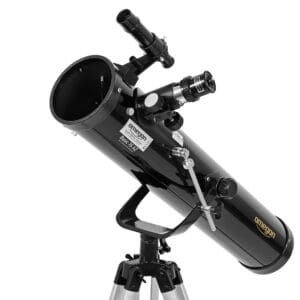
The National Geographic 114/900 Reflector offers a strong balance between brightness, sharpness, and ease of use. The 114mm mirror captures 2.25 times more light than a 76mm telescope. Enough to brightly show nebulae and star clusters, in addition to the Moon and planets. You can see lunar craters in detail, Saturn's rings clearly defined, and Jupiter's cloud bands with its moons.
Sharp image, simple operation
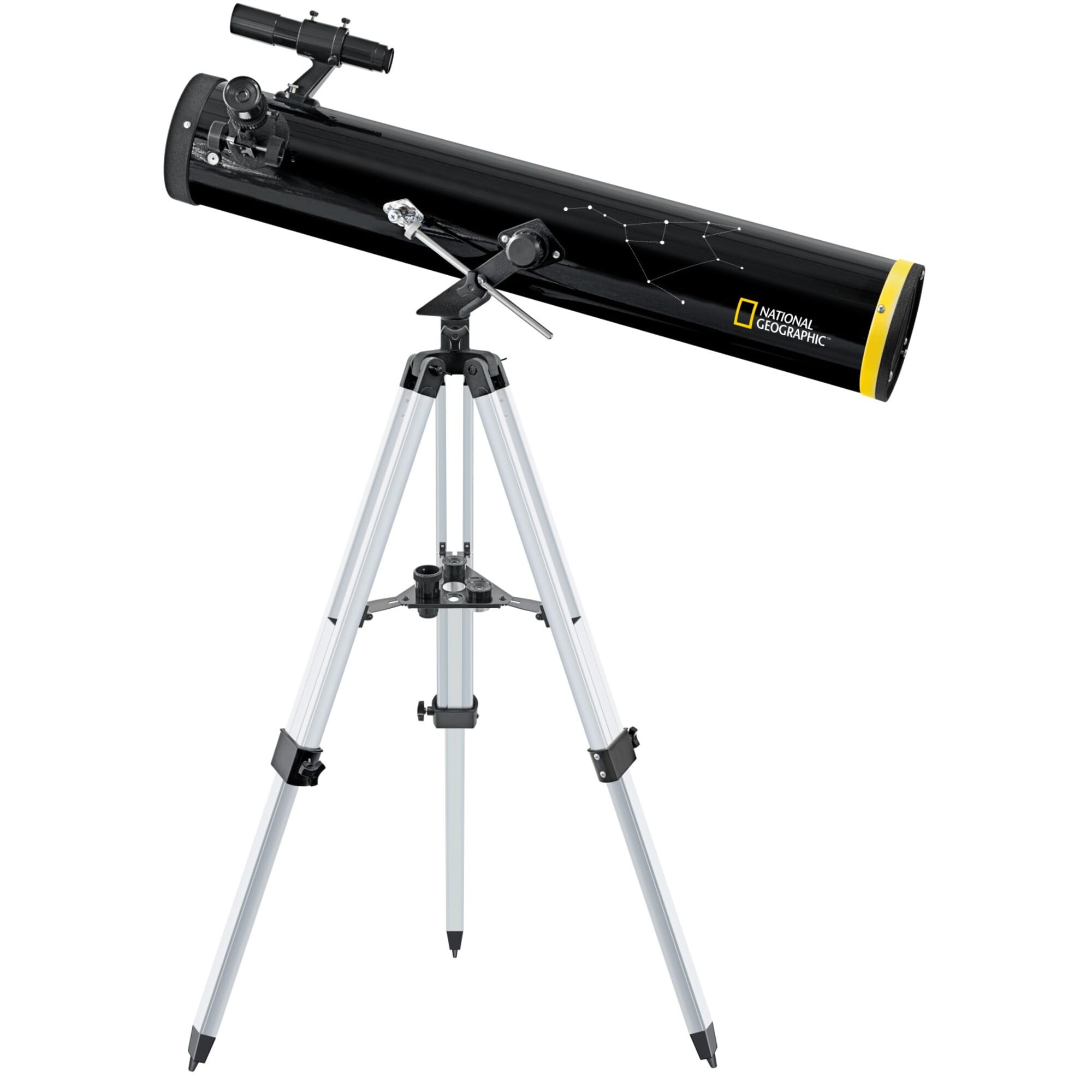
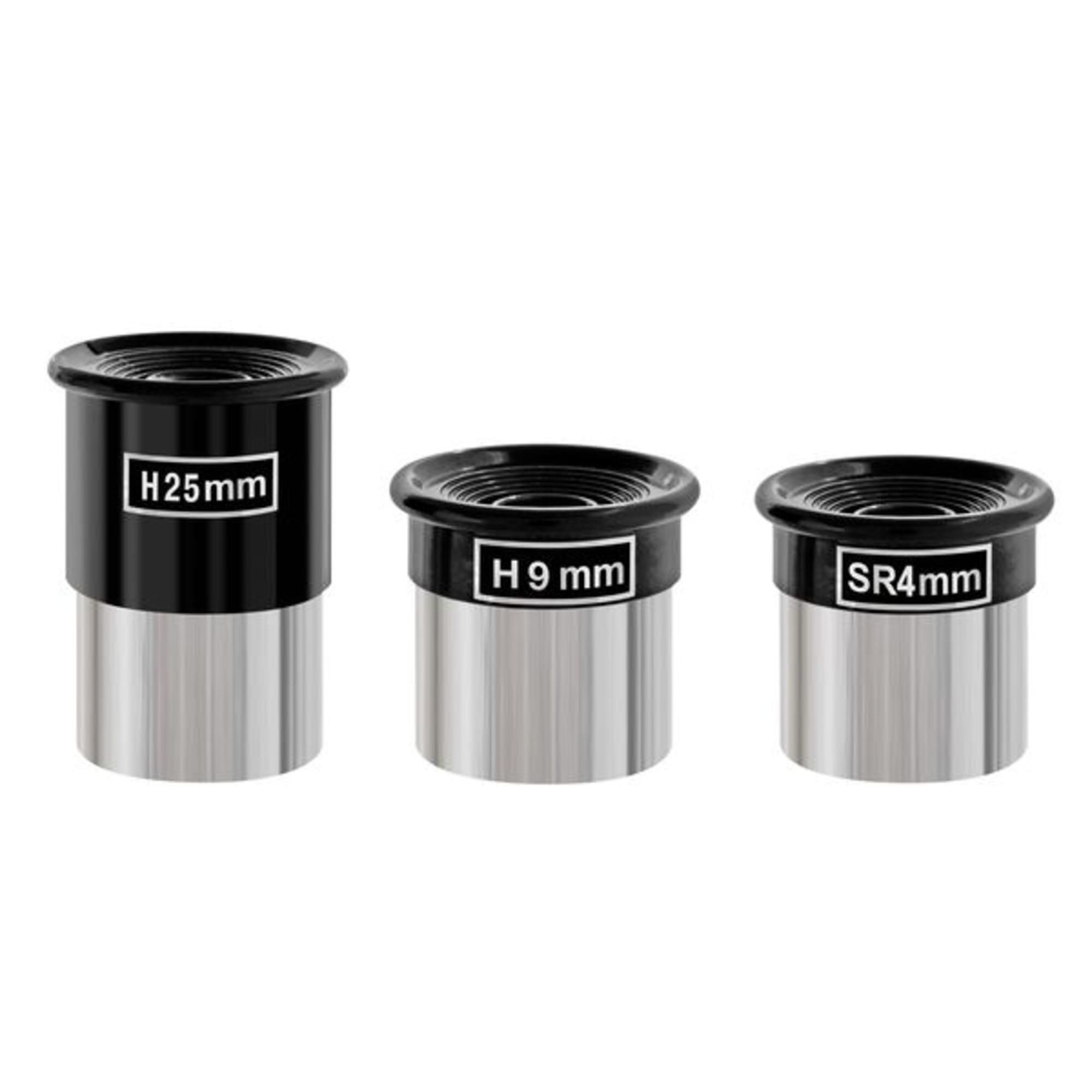
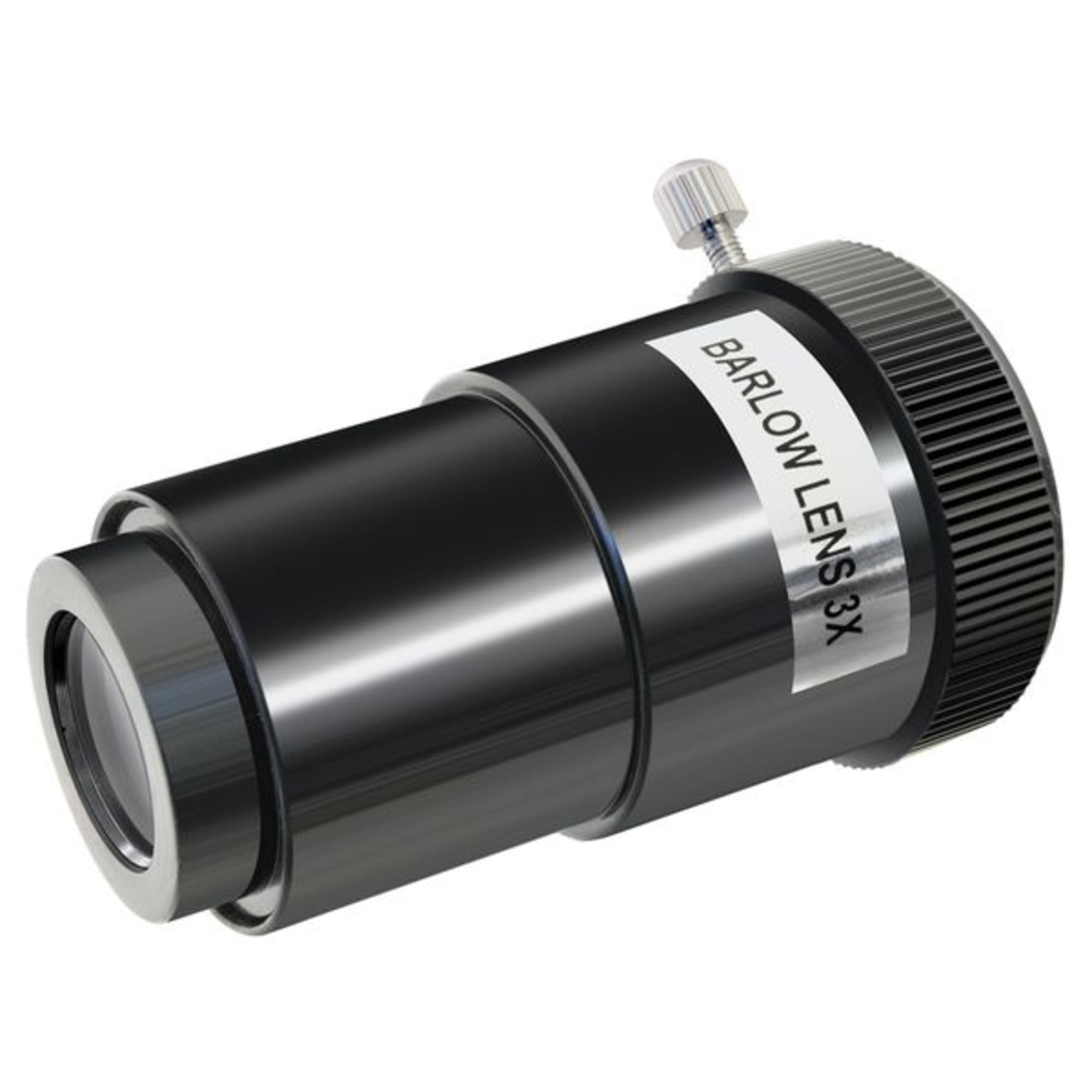
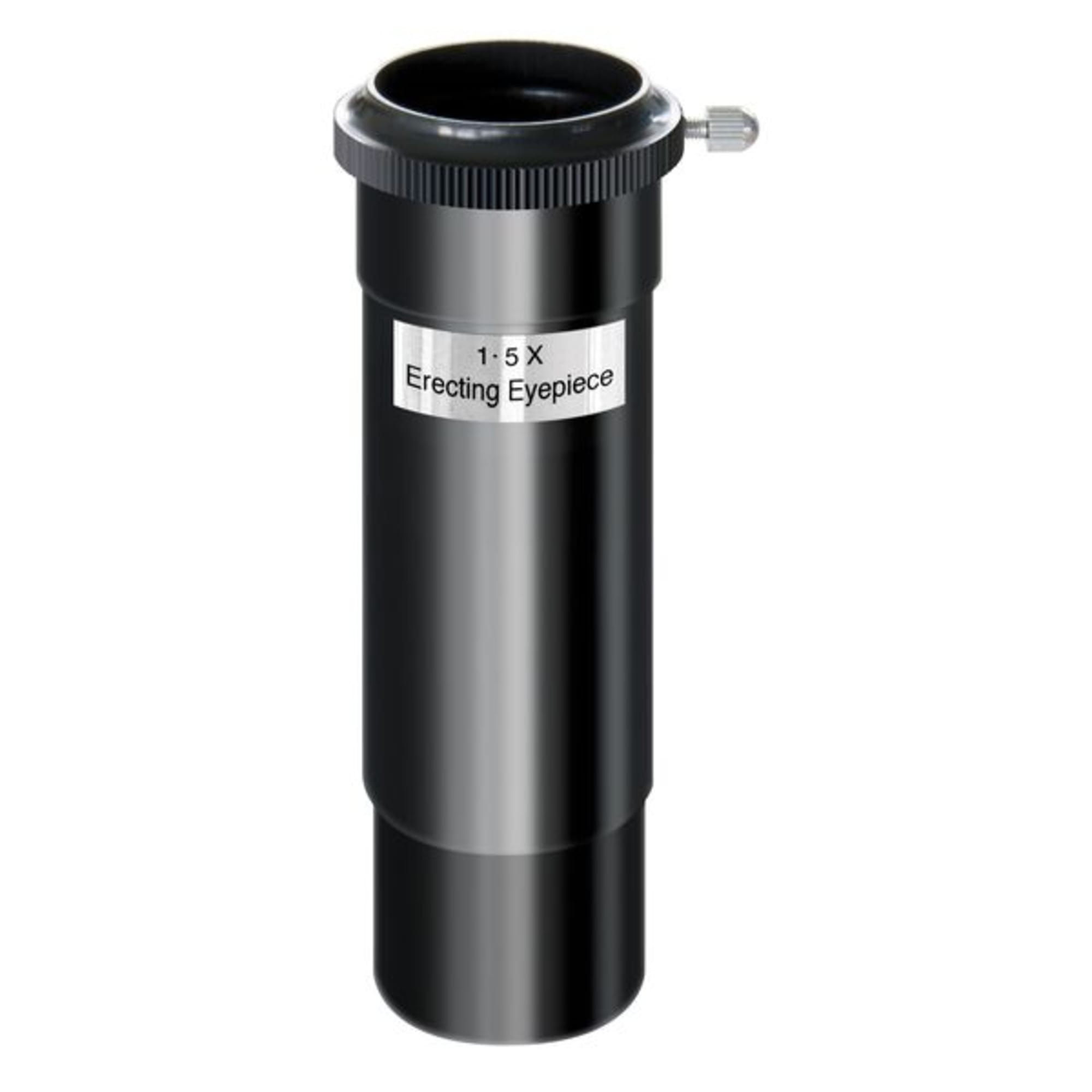
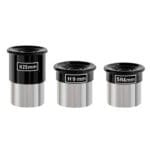
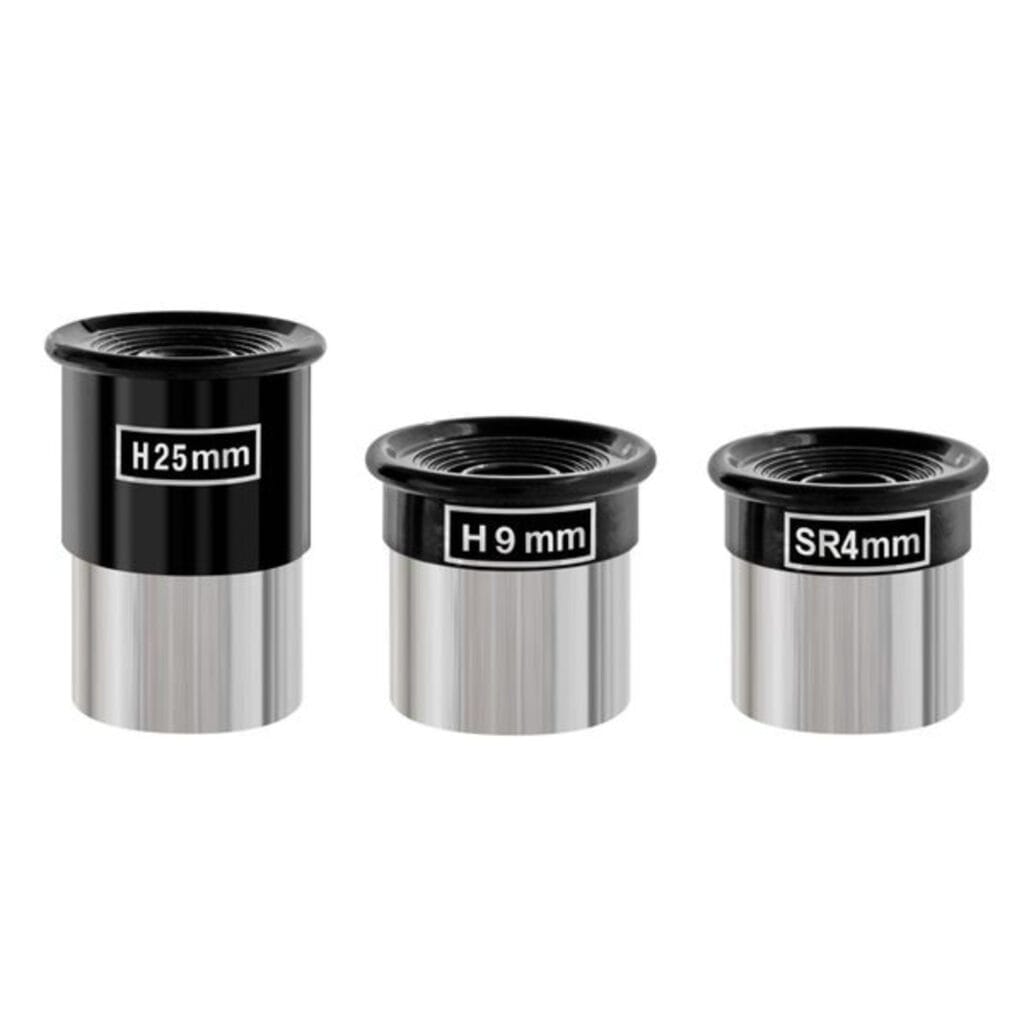
The 900mm focal length (f/7.9) provides high-contrast, sharply defined images without chromatic aberration and is forgiving when focusing. The azimuthal mount (AZ-1) works like a photo tripod: move up and down, left and right, without complicated settings. With three eyepieces (25mm, 9mm, and 4mm), the 3x Barlow lens, the 6x30 finder scope, and the erect-image prism, you can get started right away. A practically useful magnification is up to about 225x, twice the aperture in millimeters.
In the box
- Optical tube 114/900
- AZ-1 azimuthal mount
- Aluminum Tripod
- 25mm, 9mm, and 4mm eyepieces
- 3x Barlow lens
- Inverted lens
- 6x30 binocular
- Manual
Featured accessories
A Omegon Premium Moon Filter 1.25 inch (19.90 euros) the bright Moon is comfortable for your eyes; it is not included with this model. With the Bresser Deluxe Smartphone Holder (15.90 Euro) you take your first moon photos through the eyepiece.
For whom yes, for whom no
Recommended for: beginners who want to see more than just the Moon; the larger aperture provides significantly more detail and light gathering power. Not recommended for: those who want to automatically track celestial objects or take long-exposure photos; in that case, check out the smart telescopes.
Specifications
| Optical design | Newton reflector |
| Opening | 114 mm |
| Focal length | 900 mm |
| Opening ratio | f/7,9 |
| Mount | AZ-1 azimuthal |
| Eyepieces | 25 mm, 9 mm, and 4 mm |
| Barlow lens | 3x |
| Seeker | 6x30 |
| Tripod | Aluminum tripod |
Still in doubt? Our Buyer's guide for beginners and the telescope selection aid help you choose. Also check out all telescopes for beginners and the full range of National Geographic.

Reviews
There are no reviews yet.