
Telescope carrying bags
Not sure what fits your telescope? We are stargazers ourselves and happy to help.
Send us a WhatsApp messageWe reply on weekdays between 9:00 and 17:00.
Showing 1–20 of 136 resultsSorted by popularity
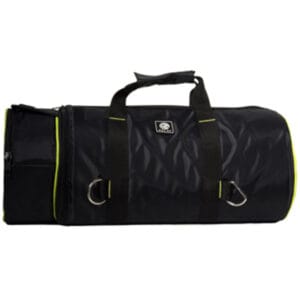
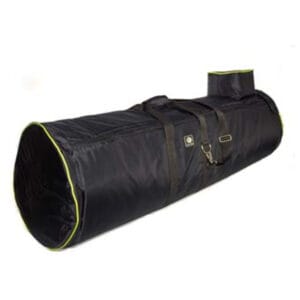
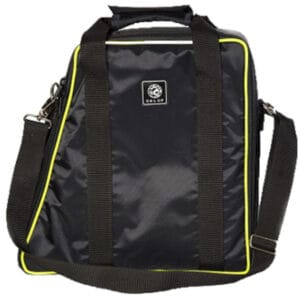
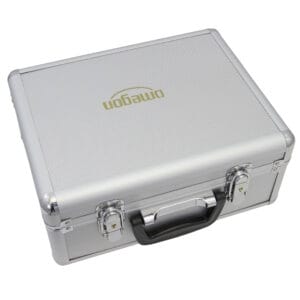
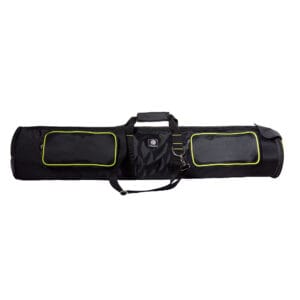
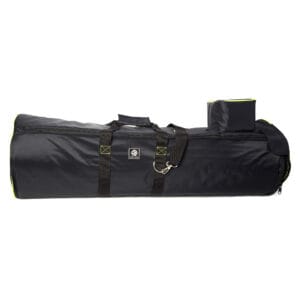

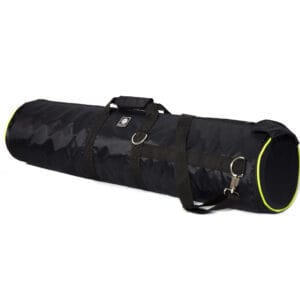
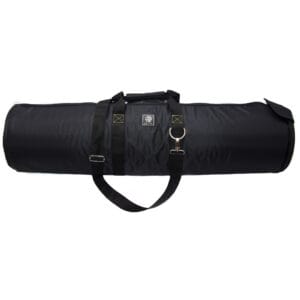
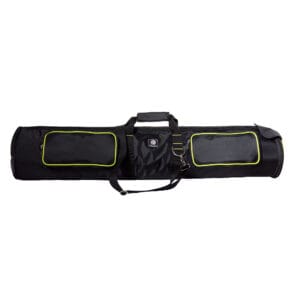
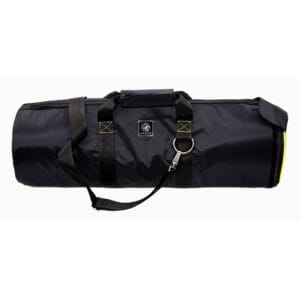
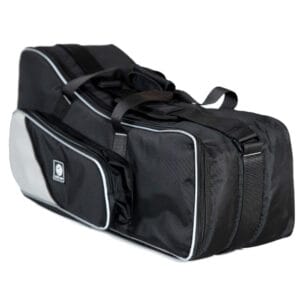
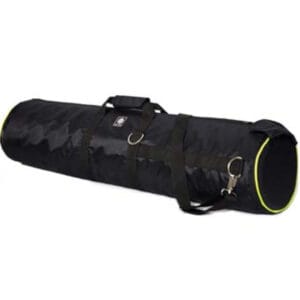
Showing 1–20 of 136 resultsSorted by popularity
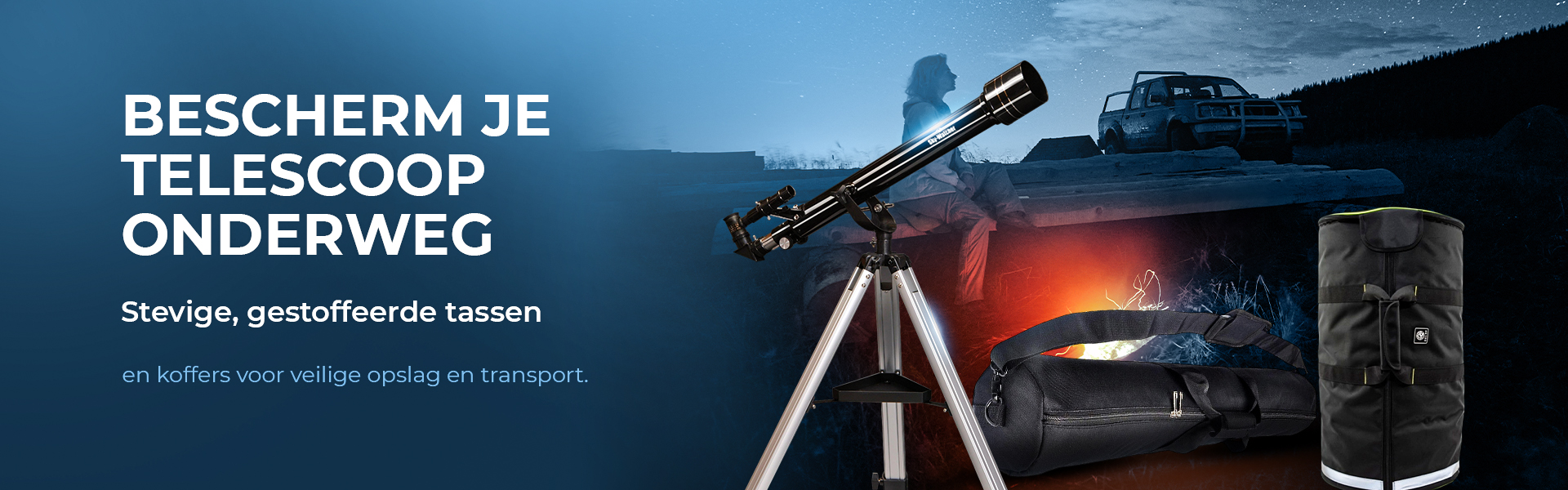
Telescope carrying bags: life insurance for your precious optics
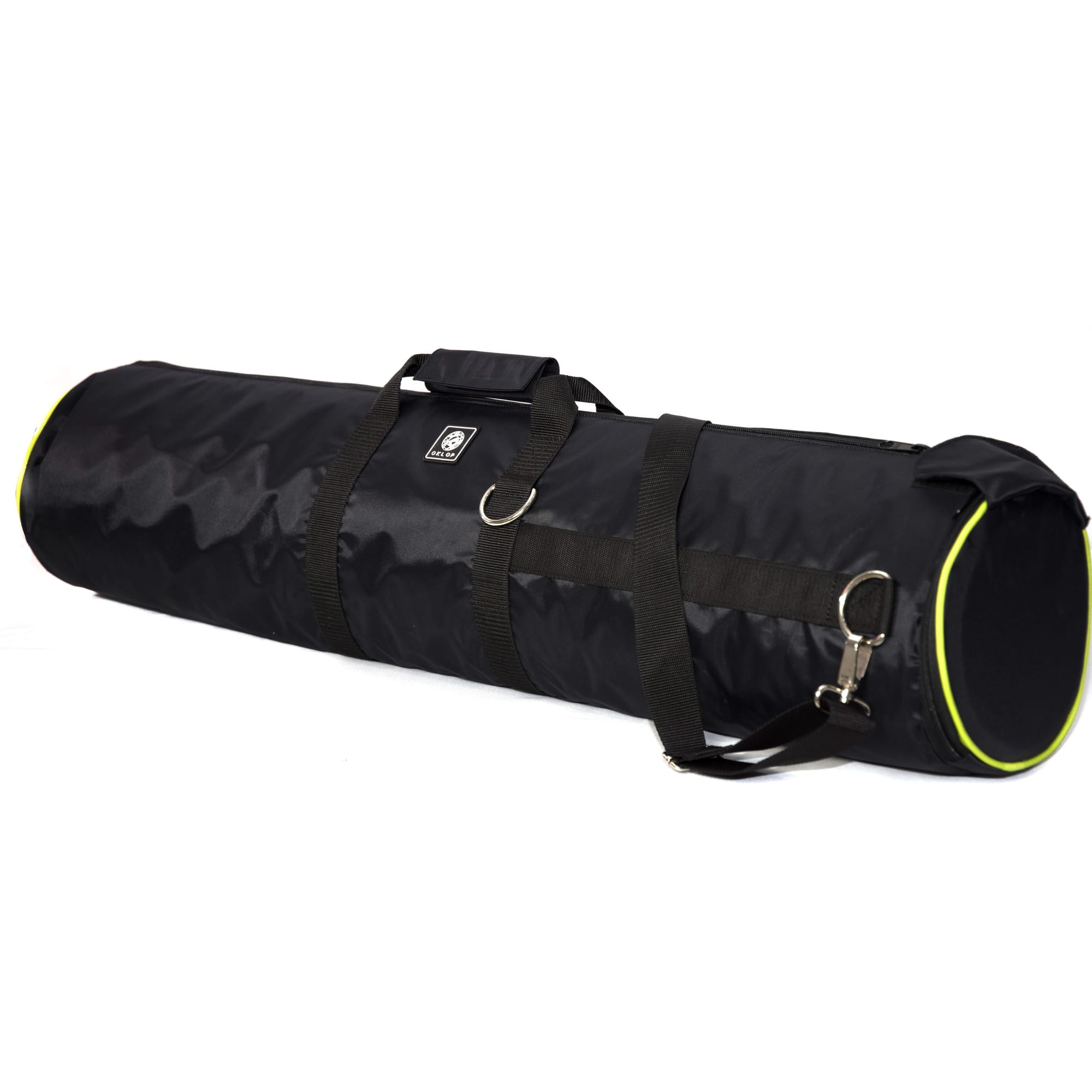
Anyone serious about stargazing knows that a telescope is a precision instrument. The mirrors and lenses are tuned down to the micrometer to bring that one distant galaxy into focus. As soon as you step out your back door to find a dark spot, however, that same telescope becomes vulnerable. A tote bag is therefore one of the most important investments you can make. It not only protects against scratches and dust, but also dampens vibrations that can interfere with optical alignment (collimation).
At telescoop.nl, we believe that a good bag makes the difference between an instrument that lasts for decades and a telescope that malfunctions after only a few trips. In our product range carrier bags you will find only models designed specifically for the unique shapes and weights of astronomical equipment.
Why a dedicated telescope bag is essential
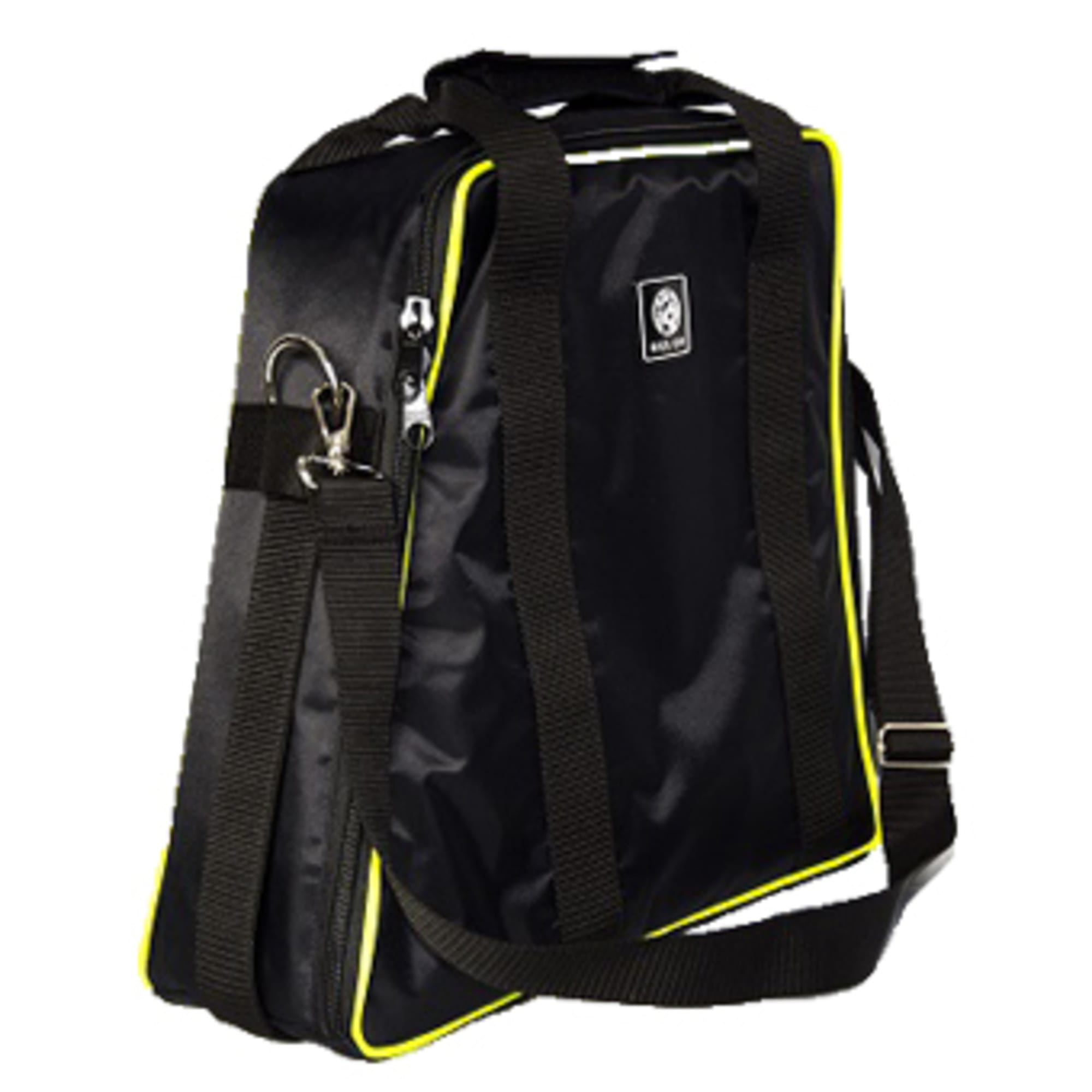
Many beginners make the mistake of wrapping their telescope in an ordinary sports bag or blanket. While this provides some protection from scratches, it lacks the necessary rigidity and padding. A real tote bag is composed of layers:
The outside: Usually made of durable, water-repellent polyester (such as 600d nylon). This keeps out moisture and dirt during transport in a damp trunk or on a soggy field.
Lining: Thick foam padding (foam) often 10 mm to 20 mm thick. This absorbs shocks when the bag accidentally taps against the doorframe.
The inside: A soft, lint-free fabric that prevents damage to tube (ota) paint or mechanical parts.
Different types for different telescopes
Not every telescope fits in the same bag. The shape of the tote bag must closely match the optics to avoid sliding.
Bags for Newton reflectors
Mirror telescopes are often long and wide. Brands such as oklop have bags precisely cut for popular sizes such as the 150/750 or the large 200/1000 newtons. A good bag for a newton also takes into account the protruding focuser; extra reinforcement in that spot is crucial to prevent the focus knob from being bent during lifting.
Bags for refractors and SCTs
Lens telescopes (refractors) and catadioptric systems (such as schmidt-cassegrains) are often more compact but heavier per cubic centimeter. The carrier bags for these models often feature internal dividers, so you can transport the tube and mount separately but still in one bag without them touching.
Maintaining collimation during transport
For owners of mirror telescopes, collimation - the perfect straightening of the mirrors - is a recurring task. A telescope lying loose in the car is constantly vibrating. These high-frequency vibrations cause screws to slowly loosen and mirrors to shift. A high-quality tote bag absorbs these vibrations. As a result, you need to spend less time on location adjusting and you can start watching faster.
Comfort and ergonomics for the mobile astronomer
Astronomy often takes you to remote places where it's really dark. That often means a bit of a hike from the parking lot. A good tote bag can be recognized by the handles. These should be positioned so that the center of gravity of the telescope is balanced. Padded shoulder straps are a must for the larger models, so you have your hands free for your tripod or eyepiece case.
Smart storage compartments for accessories
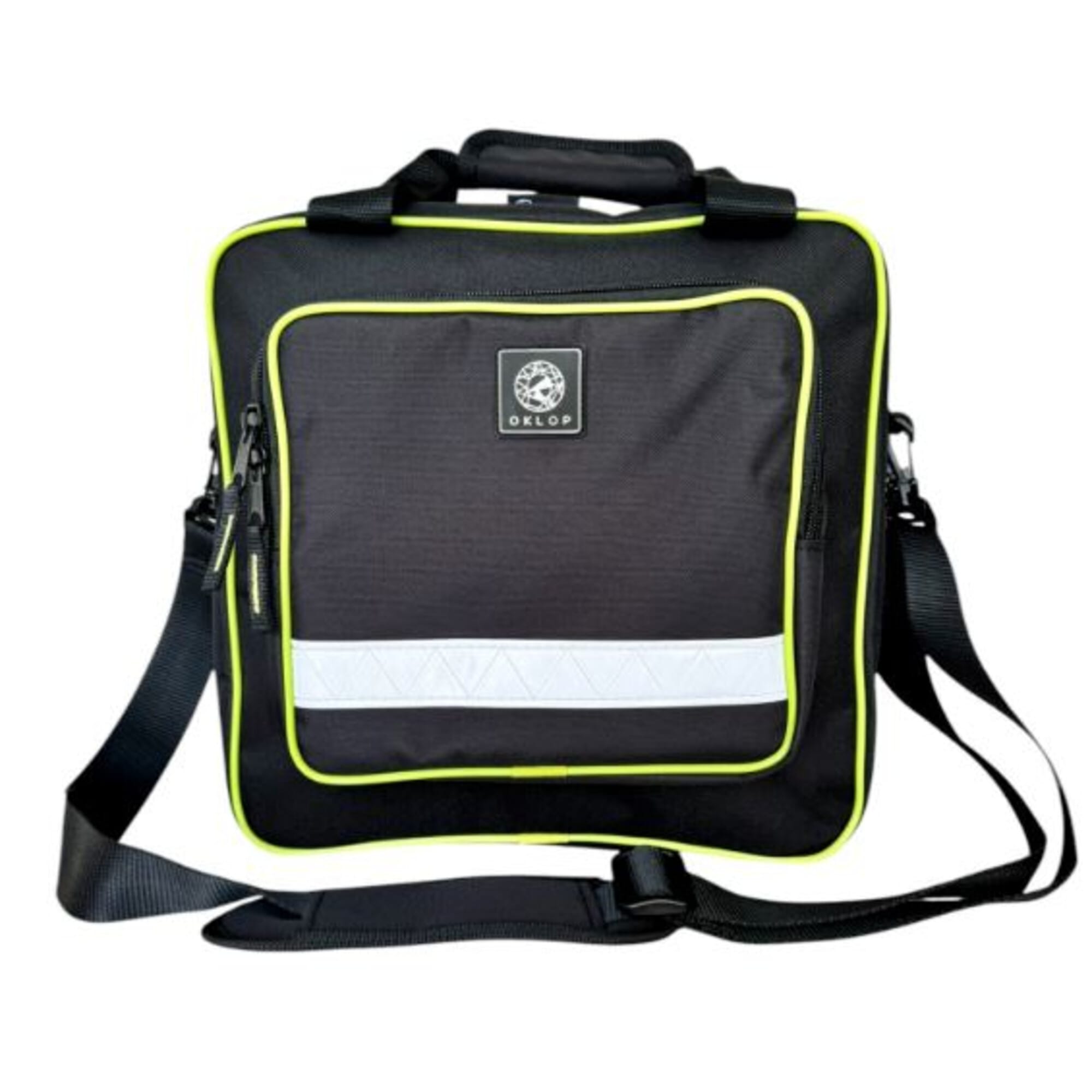
A tote bag is often more than just a sleeve for the tube. Many of our models have additional pockets on the outside or inside. This is the ideal place for things you want to have on hand quickly, such as:
Your viewfinder (which you usually remove from the tube for transport).
A set of Allen wrenches for minor adjustments.
Your smartphone adapter or a small flashlight with a red light. By keeping everything in one bag, you reduce the chances of discovering in a dark field that you forgot a crucial item.
Frequently asked questions about carrier bags
Should I take my telescope out of the bag when I get home? Yes, this is one of the most important tips for maintenance and protection. If you've been outside, chances are the bag and telescope have become damp from dew. If you leave the bag closed, you trap that moisture, which can lead to mold on the lenses. After a session, always leave the bag and telescope open for a while in a dry room to air out.
How do I choose the right size tote bag? Always measure the tube of your telescope including the focuser knobs and any fixed mounting plates (dovetails). The bag should not be too tight, but certainly not too roomy either. If the bag is too spacious, the telescope will slide, increasing the risk of damage. We mention with our carrier bags often for which specific models they are suitable.
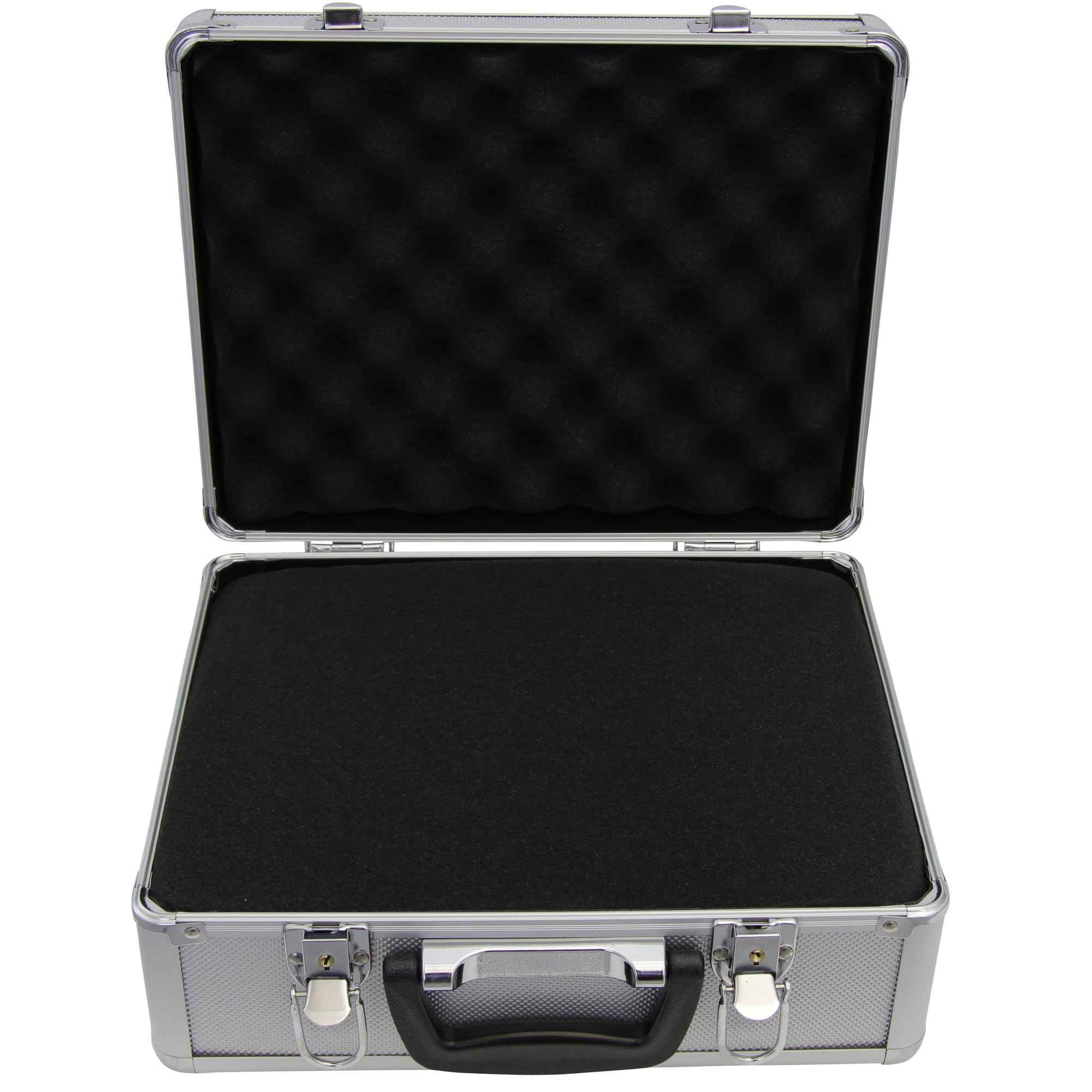
Are tote bags waterproof? Most bags are water-repellent. They will survive a light rain or damp ground just fine. However, they are not designed to stand in pouring rain for hours. For storage in a damp shed, prefer to use a hard case or provide additional moisture retardants such as silica gel in the bag.
Why buy your tote bag from telescoop.nl?
At telescoop.nl we know from our own experience how painful it is to get a dent or scratch in a new telescope. This is why we advise every customer to purchase an appropriate tote bag order along with it.
We offer:
Specialized brands: Like oklop and geoptik, which are known for their indestructible quality.
Exact fit: We know which bag fits which telescope, so you're never left with a bag that's too big or too small.
Prompt delivery: Ordered before 11:59 p.m., in most cases means you'll have your transportation solution within 48 hours.
Protect your investment and make it easy for yourself to seek out those dark places. A good tote bag is the key to more frequent and enjoyable observation.