
Finderscopes
Find celestial objects at a glance
With a good viewfinder or red-dot finder, you can quickly focus your telescope on any object in the sky. From optical 8×50 binoculars to compact LED pointers.
Not sure what fits your telescope? We are stargazers ourselves and happy to help.
Send us a WhatsApp messageWe reply on weekdays between 9:00 and 17:00.
Showing 41–60 of 79 resultsSorted by popularity



Showing 41–60 of 79 resultsSorted by popularity
What is a seeker?
A viewfinder is a small aiming device mounted on your telescope that allows you to locate an object in the sky before looking through the eyepiece. A telescope magnifies greatly, therefore only showing a small portion of the sky. Without a viewfinder, finding a planet or nebula is like looking through a straw at the sky. With a properly adjusted viewfinder, your object is in view within a few seconds.
What types of seekers are there?
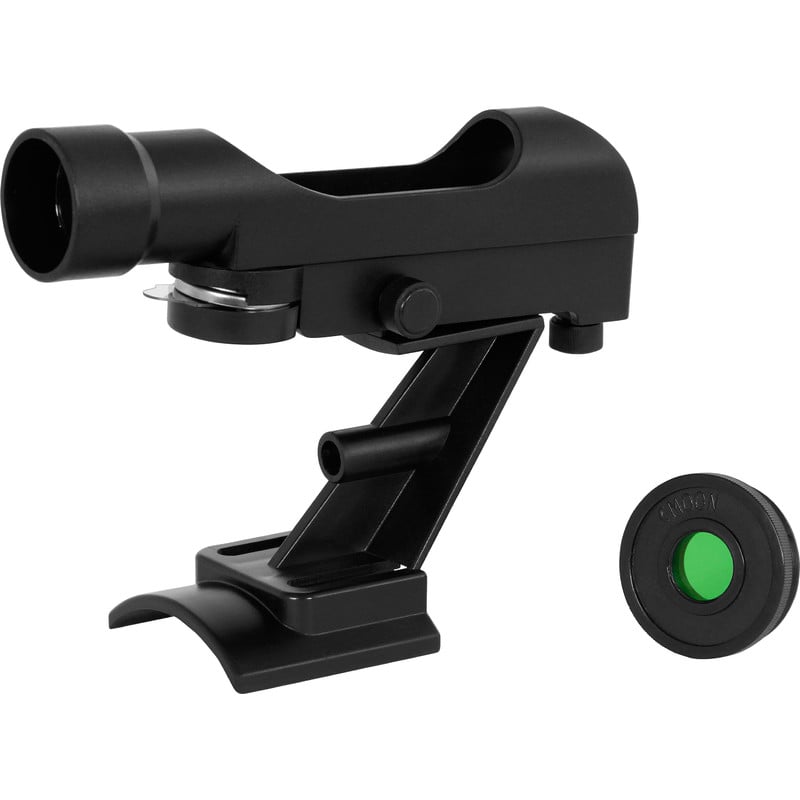
Red-dot viewfinder
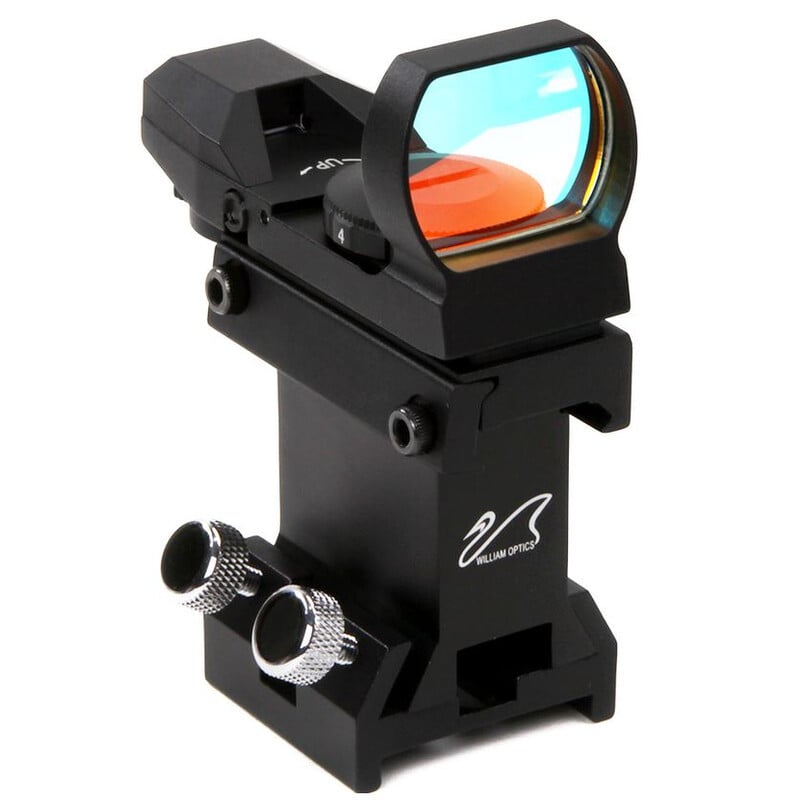
A red dot viewfinder does not magnify, but projects a red dot onto a glass window. You look with both eyes open and see the dot against the starry sky. Where the dot is located, your telescope points you in the direction. Because you keep seeing the entire constellation, this is the easiest viewfinder for beginners.
Telrad
A Telrad Works the same as a red-dot viewfinder, but displays three red circles instead of a dot. The circles are 0.5, 2, and 4 degrees in size, so you can adjust distances on a star map directly in the sky.
Optical viewfinder
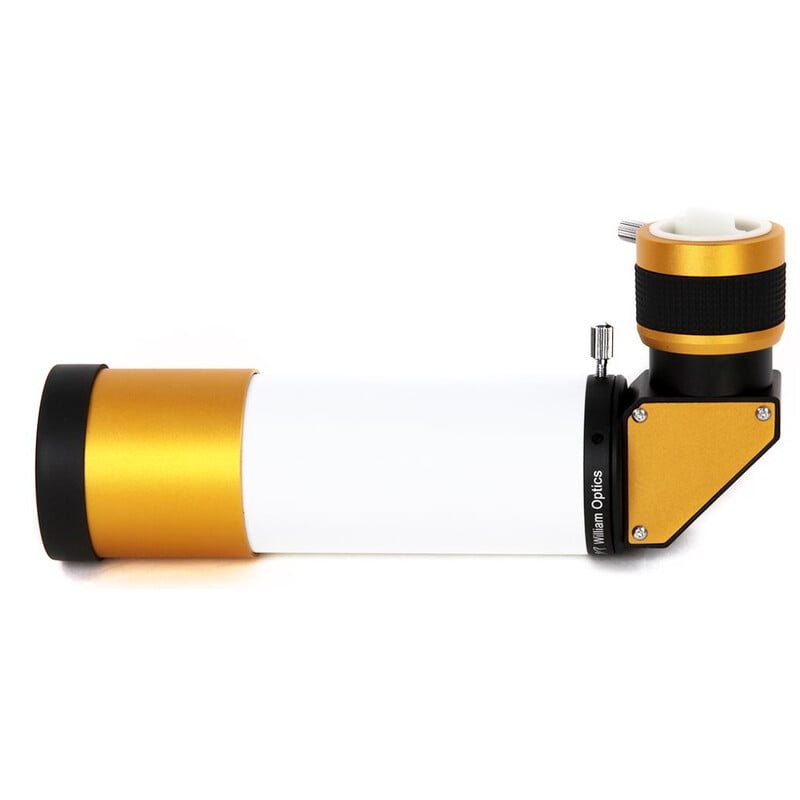
An optical viewfinder is a small viewer, usually 6×30 or 8×50, with a cross-wire. It collects light and therefore shows stars that you cannot see with the naked eye, and sometimes even the brightest nebulae and star clusters. With the cross-wire, you place an object exactly in the center.
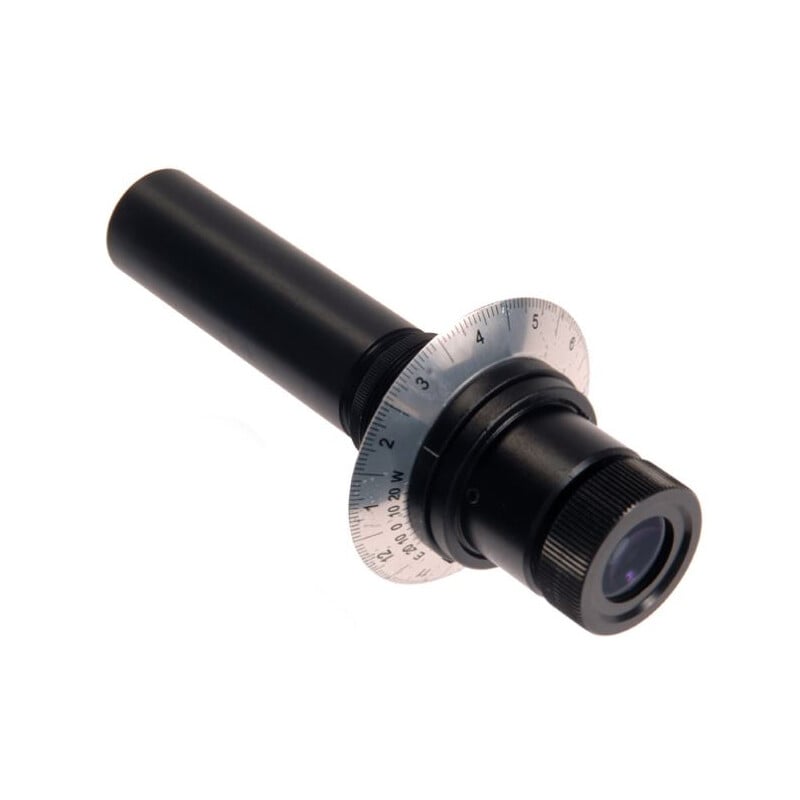
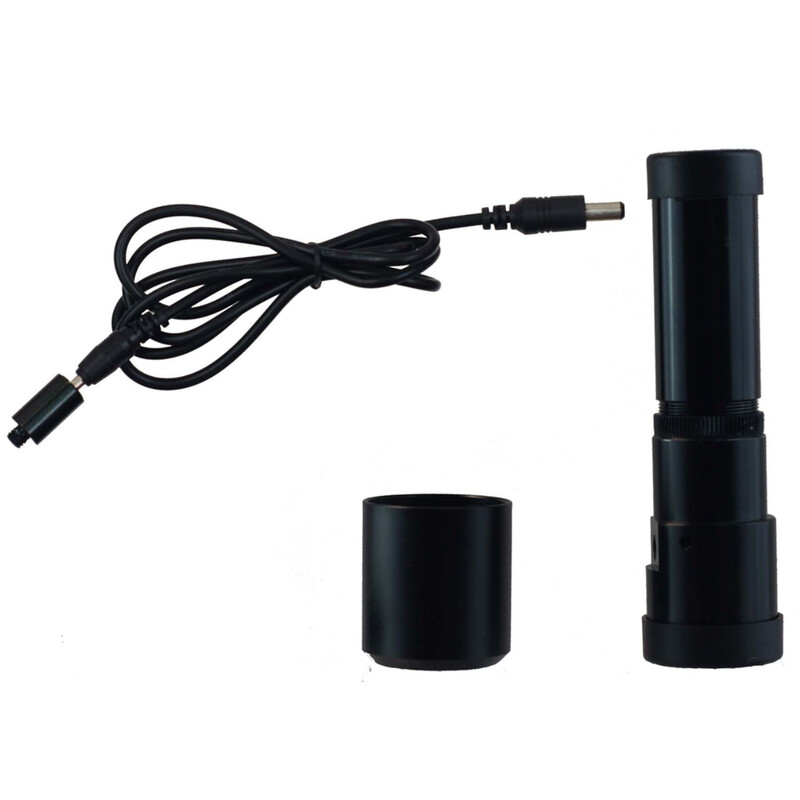
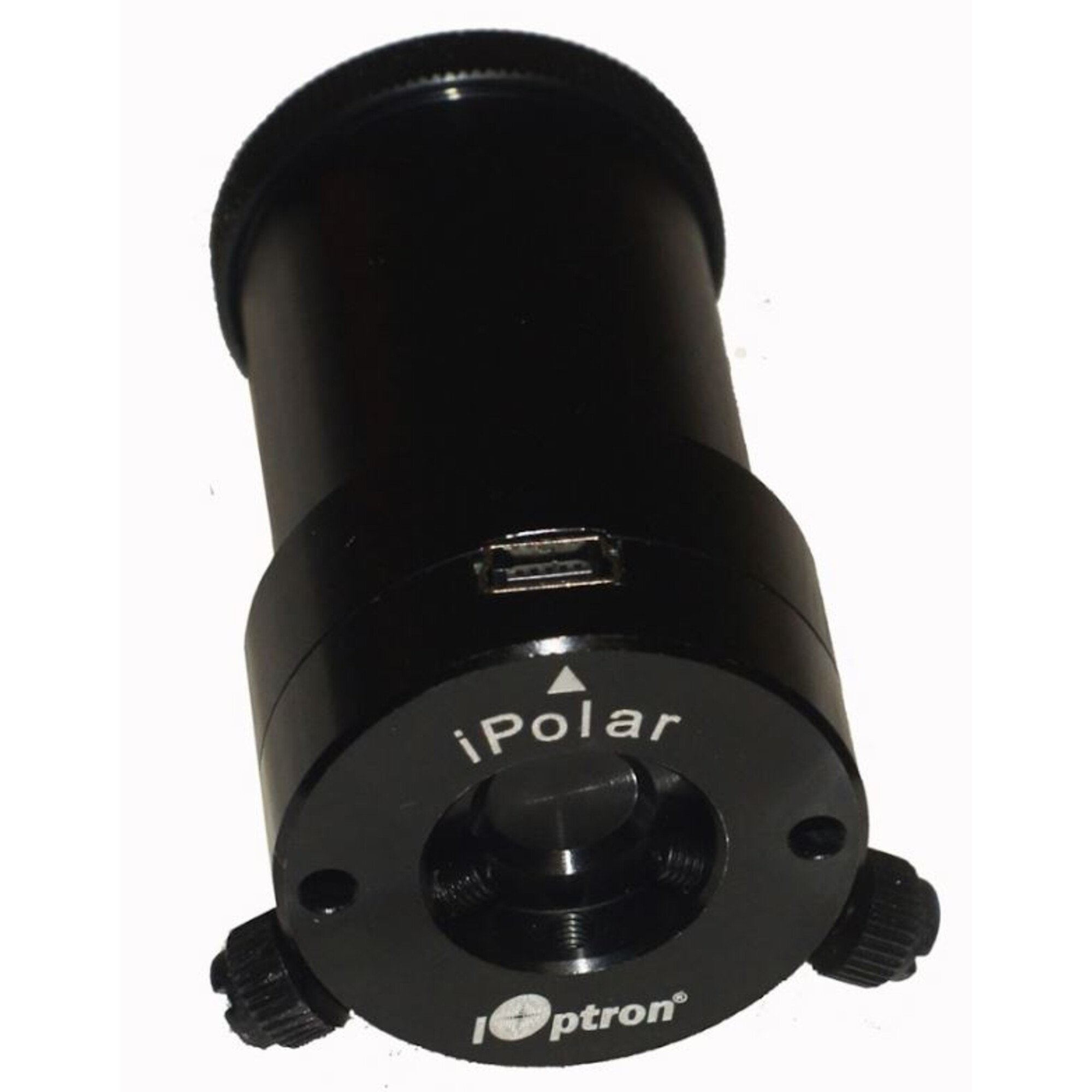
Pole finder
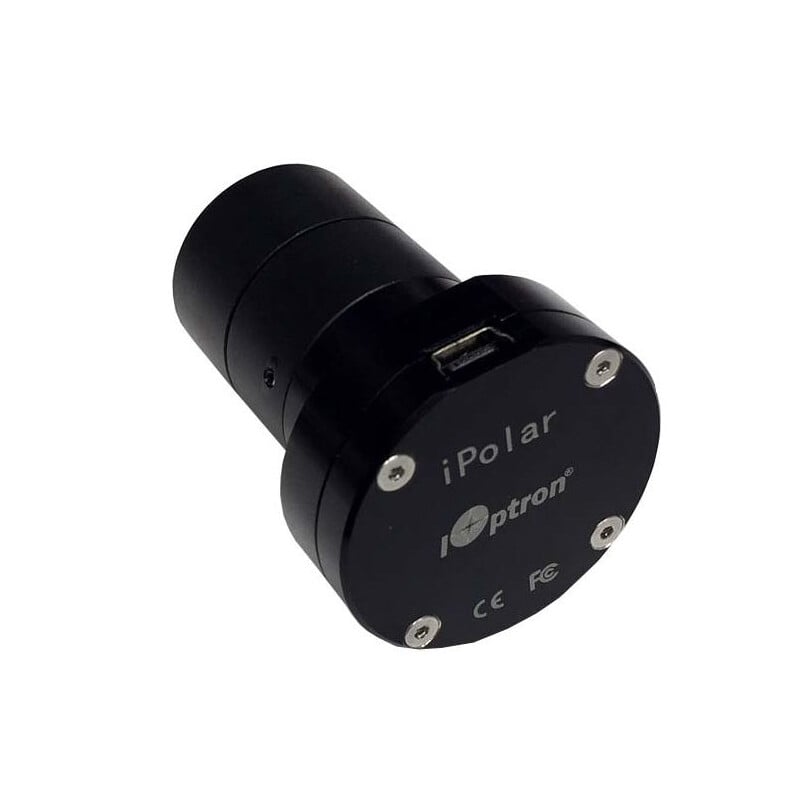
A pool finder is not a seeker to find objects. You use it to find equatorial mount to align it with the celestial pole so that the mount is parallel to the axis of rotation. This is necessary for astrophotography and to track objects with a motor.
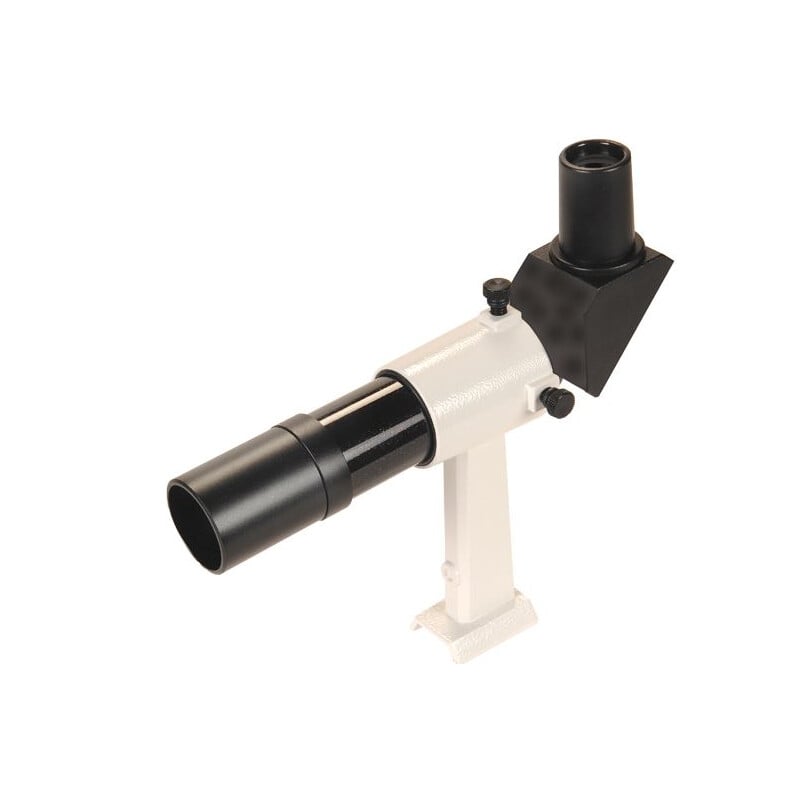
What is a 90-degree viewfinder?
A 90-degree viewfinder has a built-in prism, allowing you to look through the viewfinder from above. If your telescope points straight up, you don’t need to twist your neck. With a large Dobson telescope This is often one of the first upgrades.
How do you set a viewfinder off?
A seeker works only if he is exactly parallel to your telescope. Set it off during the day. Point the telescope with the eyepiece with the lowest magnification at a distant, stationary point, such as a church tower or a lamppost, and never near the sun. Then, using the screws on the viewfinder, place the dot or crosshairs at the same point. If it is correct during the day, then at night every object you focus in the viewfinder will also be in your eyepiece.
Frequently asked questions about seekers
Is an 8×50 viewfinder better than a 6×30?
An 8×50 has an aperture of 50 mm and captures more light than a 6×30, so you see more faint stars. It is also larger and heavier. On a small telescope, a 6×30 is often the better balance.
Do I need batteries for my viewfinder?
A red-dot viewfinder, a Telrad and a viewfinder with illuminated crosshairs operate on a battery. An optical viewfinder without illumination does not require power.
Can I use two searchers at the same time?
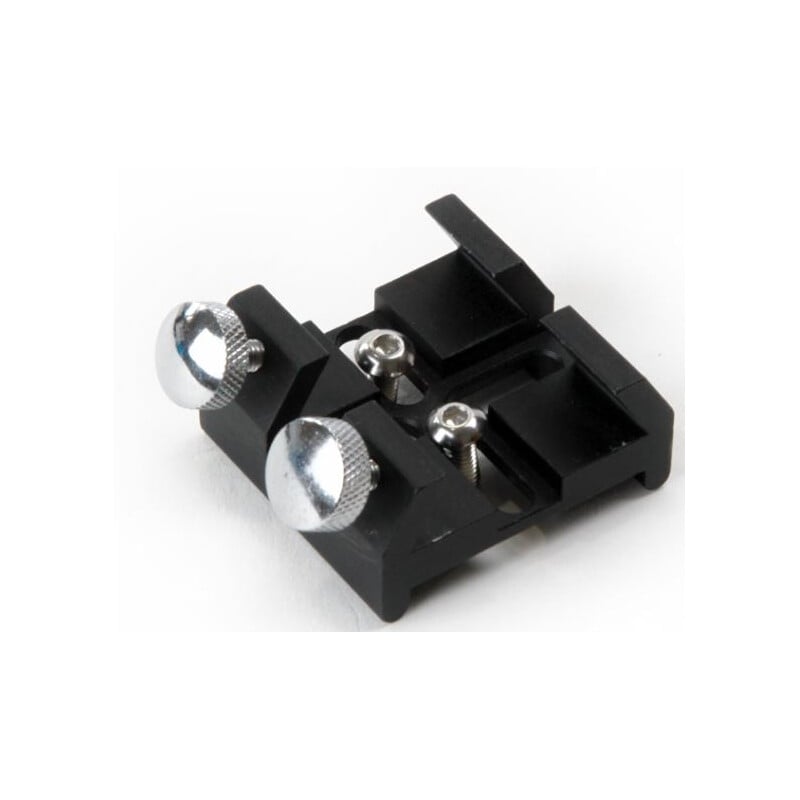
Yes. With a double search foot For example, use a red-dot viewfinder for coarse focus and an optical viewfinder for fine focus.
Does a viewfinder cover when it’s wet?
Yes, seekers often start looking first because the lenses are small. One rain cap or heating tape prevents that from happening.