
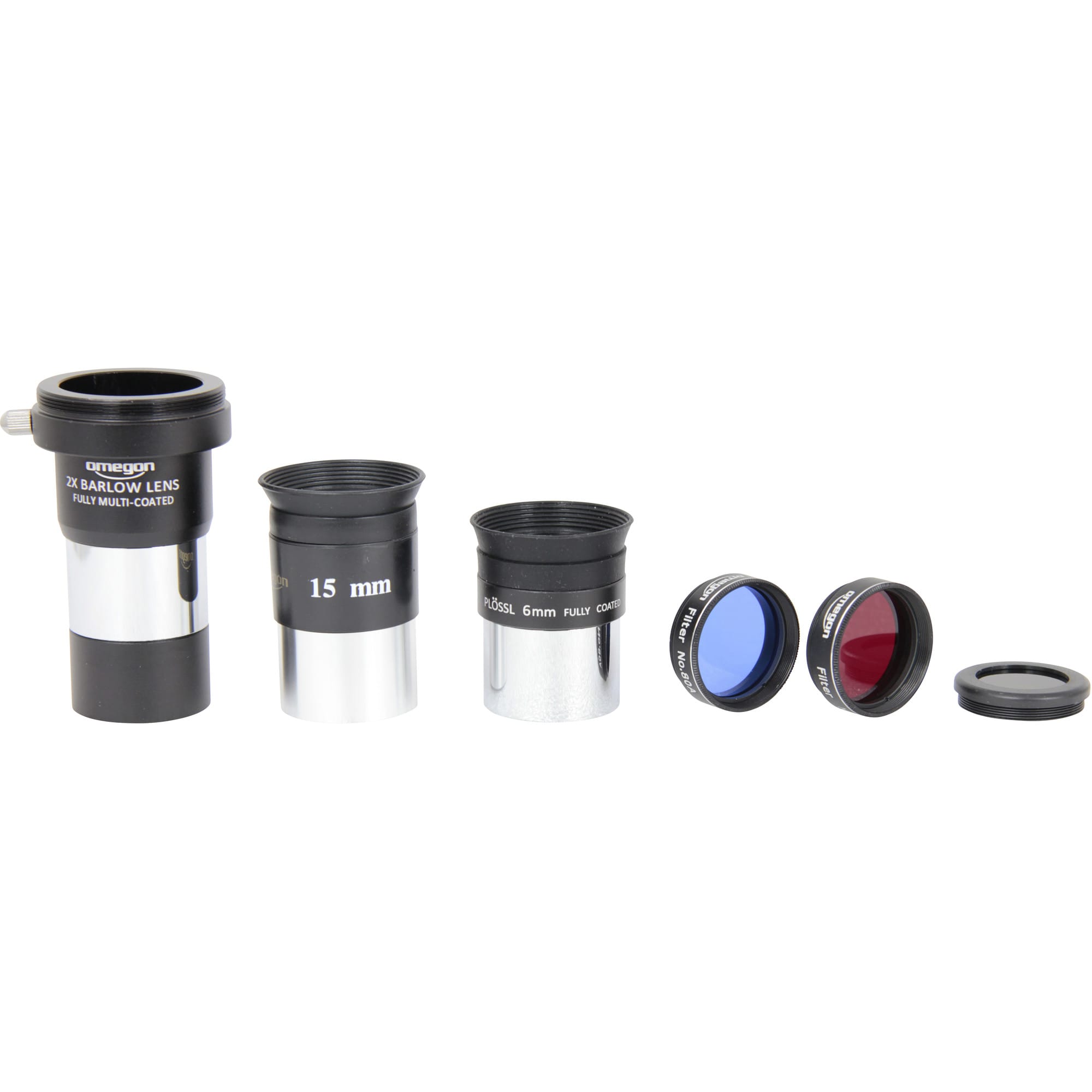
Choosing an eyepiece for telescope may seem like a detail, but in reality this accessory largely determines what you ultimately see. The telescope collects light, but only the eyepiece converts that light into a usable image. If you choose incorrectly, you may end up with a dark or blurry result, even if your telescope is of good quality. On the contrary, with an appropriate eyepiece you can see razor-sharp details on the Moon, the cloud bands of Jupiter or the broad glow of the Orion Nebula. So it is not a luxury to have multiple eyepieces, but a necessity if you want to get the most out of your scope.
How exactly does magnification work?
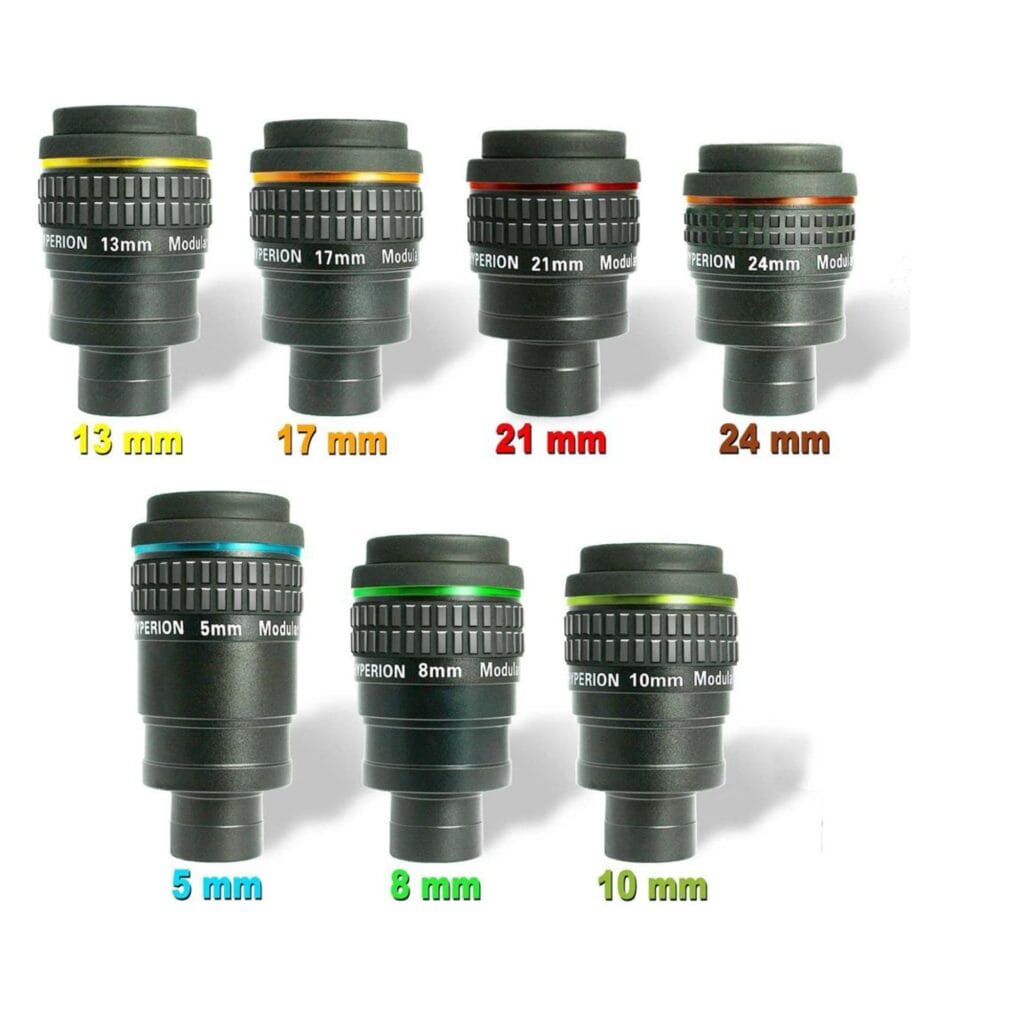
The magnification of a telescope is easily calculated: divide the focal length of the telescope by that of the eyepiece. Thus, a 1000 mm telescope with a 10 mm eyepiece yields 100x magnification. Yet this does not continue indefinitely. Every telescope has an optical limit: a maximum of about twice the aperture in millimeters. So a 70 mm telescope achieves around 140x useful magnification. If you go higher, the image does get bigger, but you lose sharpness and contrast.
Therefore, each type of observation has its own ideal eyepiece. A 25 mm eyepiece gives you overview and helps you find objects quickly. A 10 mm brings more detail, and a 6 mm can give impressive close-ups of planets, but only if telescope aperture and air turbulence permit. This makes it immediately clear that a single eyepiece is never sufficient for all situations.
Planets require high magnifications, deep-sky just not
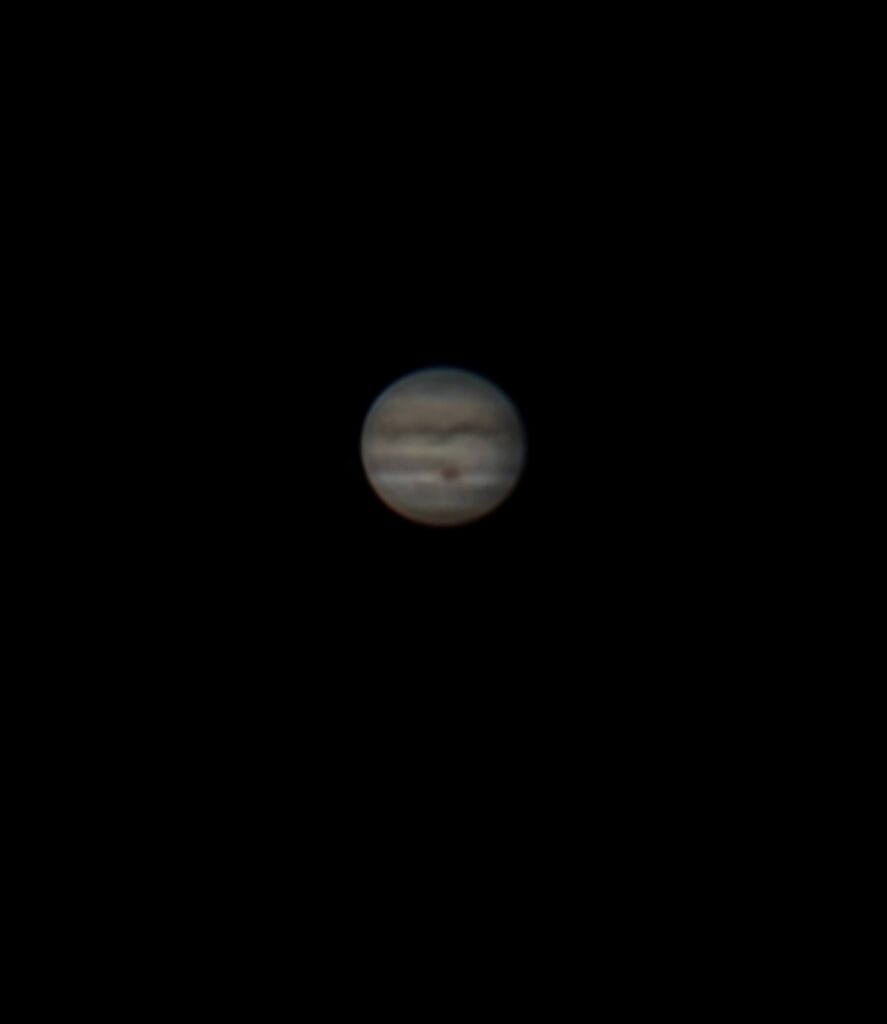
Anyone looking at Jupiter or Saturn through a telescope for the first time discovers how important magnification is. With an eyepiece between 6 and 10 mm, you can see the cloud bands on Jupiter or the rings of Saturn sharply defined. Mars also becomes interesting with this range, although the planet remains small. It is tempting to use even shorter eyepieces, but with most telescopes the image then becomes blurry and unsettled.
For deep-sky objects, the opposite works. Large nebulae or galaxies actually become more visible with a lower magnification eyepiece of 20-32 mm. Think of the Andromeda Nebula or the Pleiades: you want them in full view, with sufficient brightness. Here it is not about details, but about overview and contrast. So a good set always consists of a combination of short and long focal lengths.
Eyepiece for telescope: designs and quality, what to look for?
Not every eyepiece for telescope is the same. The best known design is the Plössl, popular because it is sharp and affordable, with a field of view of about 50°. For those who want to see more, there are wide-angle 68° or even 82° eyepieces, which make the starry sky look much wider. A simpler design such as the Kellner is often included as standard, but provides less quality at the edges. And although a zoom eyepiece seems convenient because you don't have to switch, you usually get better results with loose fixed focal lengths.
In addition, comfort plays a role. The so-called eye relief determines how far your eye can be from the eyepiece while still seeing the full image. For eyeglass wearers, this is essential. If you choose a cheap 4 mm eyepiece, you often end up with not only blur but also an uncomfortable viewing position. Modern 1.25” and 2” eyepieces usually offer the best combination of quality and ease of use.
Common mistakes in choosing an eyepiece for telescope
A classic mistake is the pursuit of maximum magnification. 4 mm eyepieces or cheap Barlow lenses promise spectacular magnifications but usually deliver disappointing images. Another mistake is sticking to old 0.965” eyepieces sometimes included with entry-level models. These are technically obsolete and limit your viewing experience. Finally, many beginners underestimate the importance of a wide range of focal lengths. Just a 25 mm and a 10 mm will often not get you there; a 6 mm or 32 mm will make your set truly versatile.
A practical approach for your set: the 25-32mm for searching and 15-6mm for observing
The best way to start is to put together a small but versatile set. A 25-32 mm eyepiece will give you overview and allow you to view large objects such as nebulae. A 10-15 mm is ideal for the Moon and general observation. A 6-10 mm you use for planets. With this combination, you can see almost any object in the sky without having to invest in an expensive collection right away. Filters, such as a moon filter or color filter, often make the image even better.
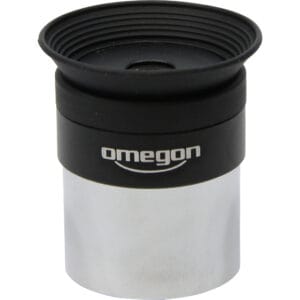
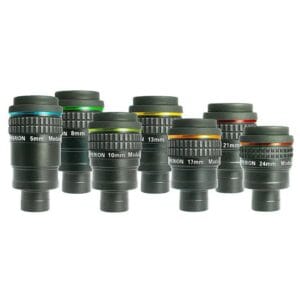
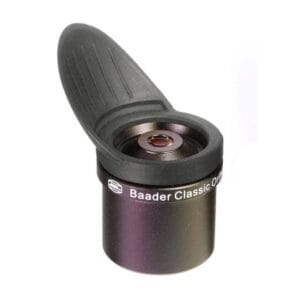
At Telescoop.nl you will find a wide selection of eyepieces to fit a variety of telescopes. Check them out here:


 € 165,00 Select options This product has multiple variants. The options may be chosen on the product page
- € 73,00 Select options This product has multiple variants. The options may be chosen on the product page



 Dutch
Dutch English