
The next full moon occurs tonight, peaking at 10:37 pm. For areas such as South Africa and Eastern Europe, this is technically as early as Tuesday. The moon will appear full for about three days: from Sunday night to Wednesday morning.
On the evening of the full moon, the moon will be close to the planet Mars in much of Europe. In some regions, such as parts of Africa, the moon will even move in front of Mars, creating an interesting appearance in the sky.
Traditional names of the moon
Colloquially, the full moon in January is known as the Wolf Moon, a name derived from the traditions of indigenous peoples and European history. This refers to the time of year when wolves could often be heard during the cold winter months. Other European names include the Ice Moon, Old Moon, and Moon after Jul, referring to the winter celebrations of Yule.
Why is it called Wolf Moon?
The Wolf Moon is the traditional name for the full moon in January. This name comes from ancient stories in which wolves, due to the cold and food-poor winter, moved closer to human settlements and their howls could be heard more often. This symbolizes the harsh winter period and has persisted throughout the centuries.
Astronomical highlights in January 2025
January 2025 is full of interesting astronomical phenomena worth observing. Here are some highlights:
- The conjunction of Mars and the moon: During the evening of the full moon, Mars will be seen close to the moon. In some regions, the moon will even move in front of Mars, creating a fascinating spectacle.
- Bright planets: Venus and Jupiter are prominently visible. Venus appears as a brilliant crescent in the southwest, while Jupiter is high in the sky and makes its moons, such as Europa and Io, clearly visible with a telescope.
- Comet C/2024 G3 (ATLAS): This comet will move close past the sun on Jan. 13. Although it is uncertain if it will be visible, it could be a nice addition to the night sky.
- Meteor shower γ-Ursae Minorids: This event reaches its peak on Jan. 18. Despite the moonlight, a few meteors per hour can be seen under ideal conditions.
Religious and cultural significance
The full moon in January also has rich cultural and spiritual significance:
- In the Hindu tradition this moon marks the end of Shakambari Navratri, a period honoring the goddess Shakambari. In addition, the month of Magha begins, which revolves around spiritual cleansing and fasting.
- In the Buddhist tradition in Sri Lanka, this moon is known as Duruthu Poya, a day honoring Buddha's first visit to the island.
- In the Chinese lunar calendar this moon falls in the last month of the Year of the Rabbit. On Jan. 29, at the new moon, the Year of the Serpent begins.
Tips for observation
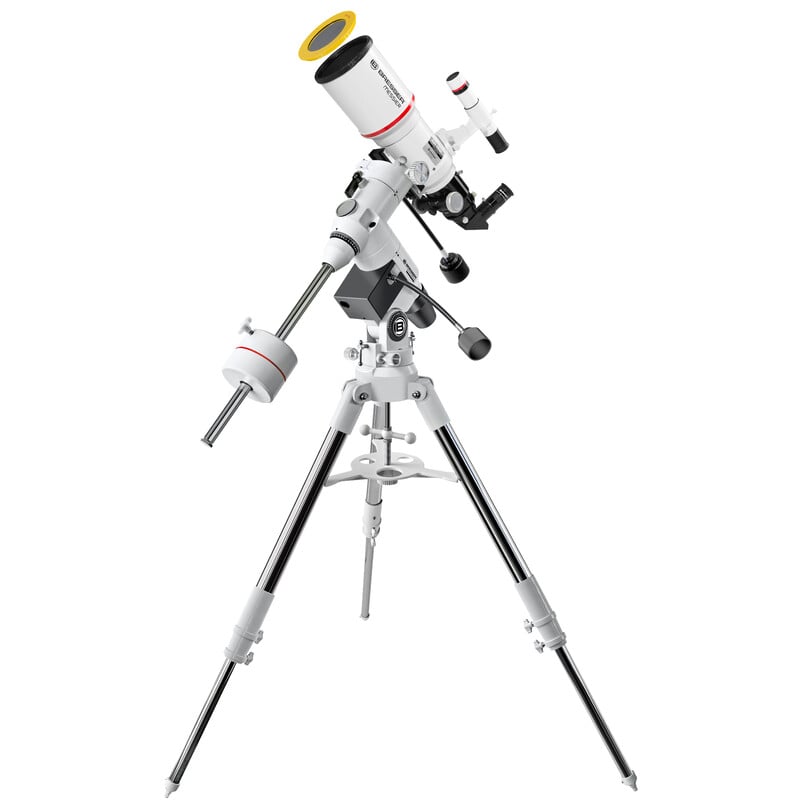
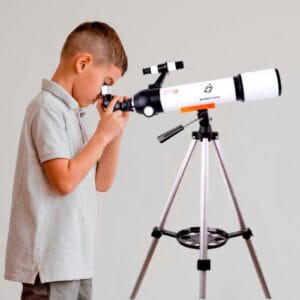
For optimal viewing, we recommend using a telescope, such as the StellarVision or the Vespera II. Both telescopes offer excellent image quality even in areas with light pollution.
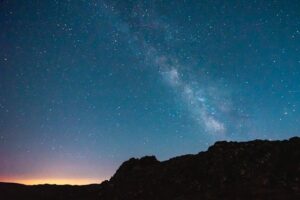
- Find a dark location with a clear view of the sky.
- Dress warmly and bring a thermos of hot drink if necessary.
- Use a star map or an app to find the exact locations of planets and stars.
Outlook
The next full moon will take place on Wednesday, Feb. 12, 2025. In the meantime, there are still many wonderful celestial phenomena to see. Get your telescope ready and enjoy all that the night sky has to offer.




 Dutch
Dutch English