

The search for a telescope for children usually starts with one simple question: what can they really see with it, and how much should I spend for a good telescope for my child? In this blog you will read exactly what is and isn't possible, which models suit young beginners, and how to avoid buying an unusable toy instrument that ends up in the closet after two evenings.
When is a telescope for children a good idea?
Most children begin their fascination with the night sky by looking at the moon, or simply by looking up during a clear night. Blame them, it's fascinating too ... this is where parents can capitalize on it to bring that enthusiasm more to life. When a child sees the rings of Saturn for the first time, not as in NASA's photos of course, but in real time is already a moment to remember (also for adults of course ;-)).
Many toy telescopes promise 600x or 900x magnification. In reality, this is impossible with cheap lenses. The images then become blurred and dark. The result is frustration, and a child who thinks stargazing is difficult or becomes impatient, and gets bored. After all, we live in an age where people are used to ‘quick results.
So a real telescope for children is:
- light enough to operate by yourself
- strong enough for Moon, Jupiter and Saturn
- easy to use
- quick to set up
- under €200 euros
- and most importantly, he must produce results quickly.
That's the basics. If you understand that, you are already far ahead of 80% of parents who randomly buy junk through online platforms or unknown Amazon sellers.
Which telescope works best for children?
There are three clear winners when it comes to a telescope for kids. All of these telescopes meet the above conditions
1. The table-top Dobson (best choice for ages 7 and up).
A compact telescope on a wooden base. You just turn it in the direction of the object. The advantage is that you don't have a wobbly tripod. The Dobson base is itself very sturdy, and can take a beating. In addition, you can already enjoy viewing the rings of Saturn and the bright planet Jupiter. You'll see the moon like you've never seen it! However, we recommend for full moons a moon filter, which is purely for eye protection. The moon filter on the link fits all the telescopes we recommend here.
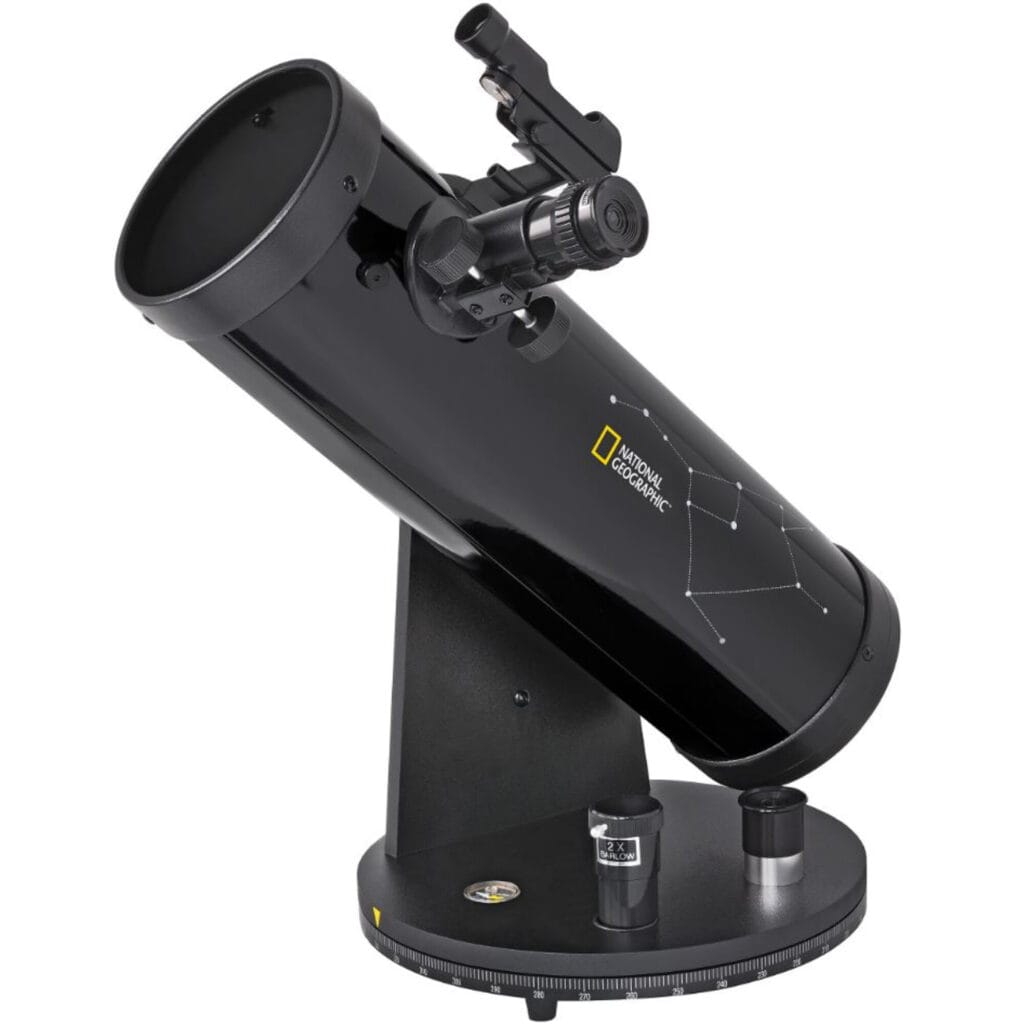
The National Geographic Dobson 114/500 is exactly what a children's telescope should be: sturdy, stable and ready to use immediately. You place it on the table, smoothly turn it toward the moon or a planet, and within seconds the object is in focus. No wobbly tripod, but precisely because children move the tube by hand, very intuitive.
With 114 mm opening, you can see Saturn's rings, the cloud bands on Jupiter and, of course, a moon full of craters. The wooden base can take a beating and stays still even during enthusiastic moments. Optionally, add a moon filter for a more comfortable full-moon view; the moon filter we recommend above fits this.
2. A small refractor on a tripod (older than ±10 years).
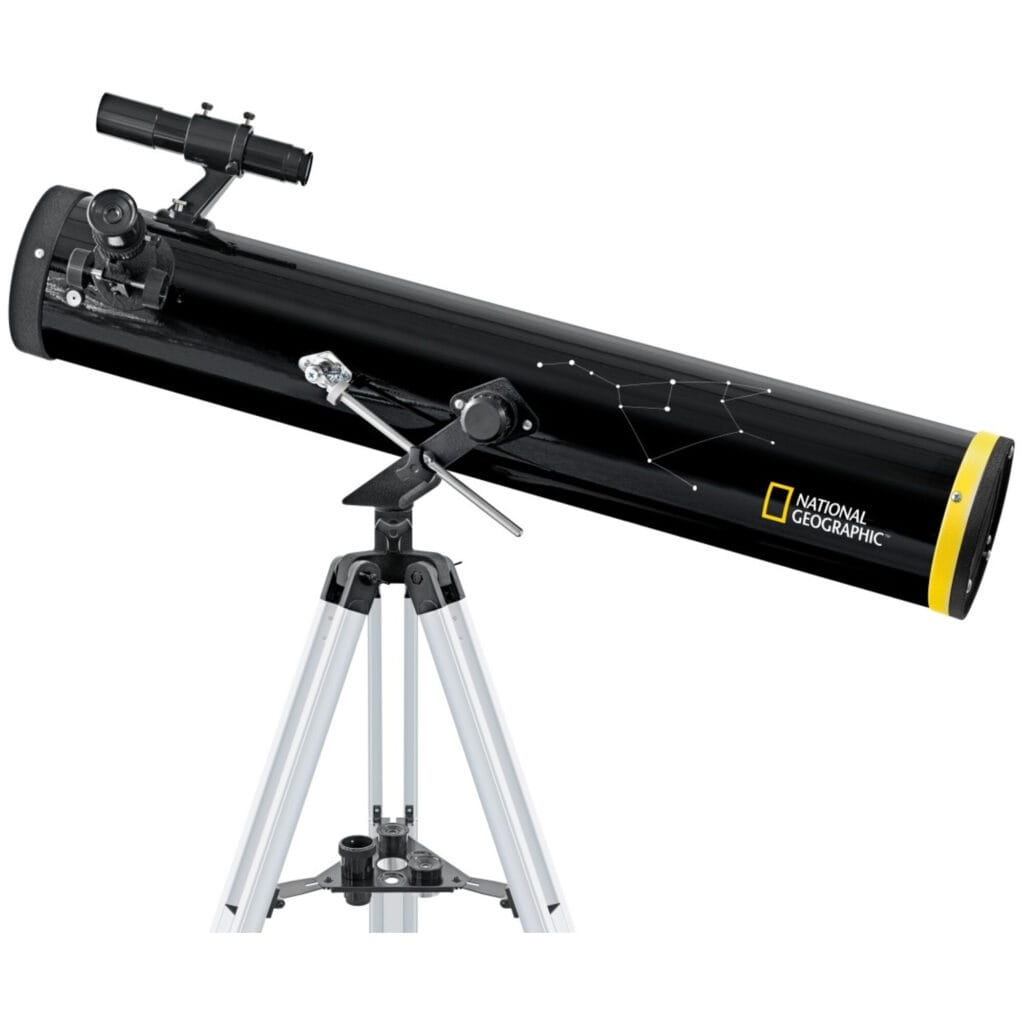
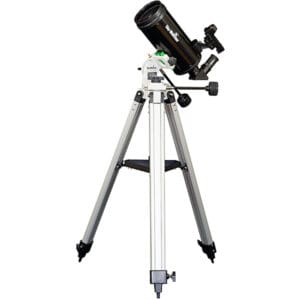
The National Geographic 114/900 is a telescope for children ages ten and up who want to aim a little more accurately and see a little more detail than with the telescope above. The longer tube creates a quieter, sharper image that makes planets and moon craters just a little sharper and clearer. This difference is also noticeable with Jupiter and Saturn, where subtle details suddenly become recognizable.
However, this telescope is a little more difficult to set up, so the advice is to do so with an adult present. But children of this age pick it up quickly. The tripod is height adjustable, and ideal for viewing evenings in the garden or from the balcony. For full moons, a moon filter remains a nice addition; as with the next and previous telescopes, it fits on this model without a problem.
3. Large Dobson for young adults (and parents).
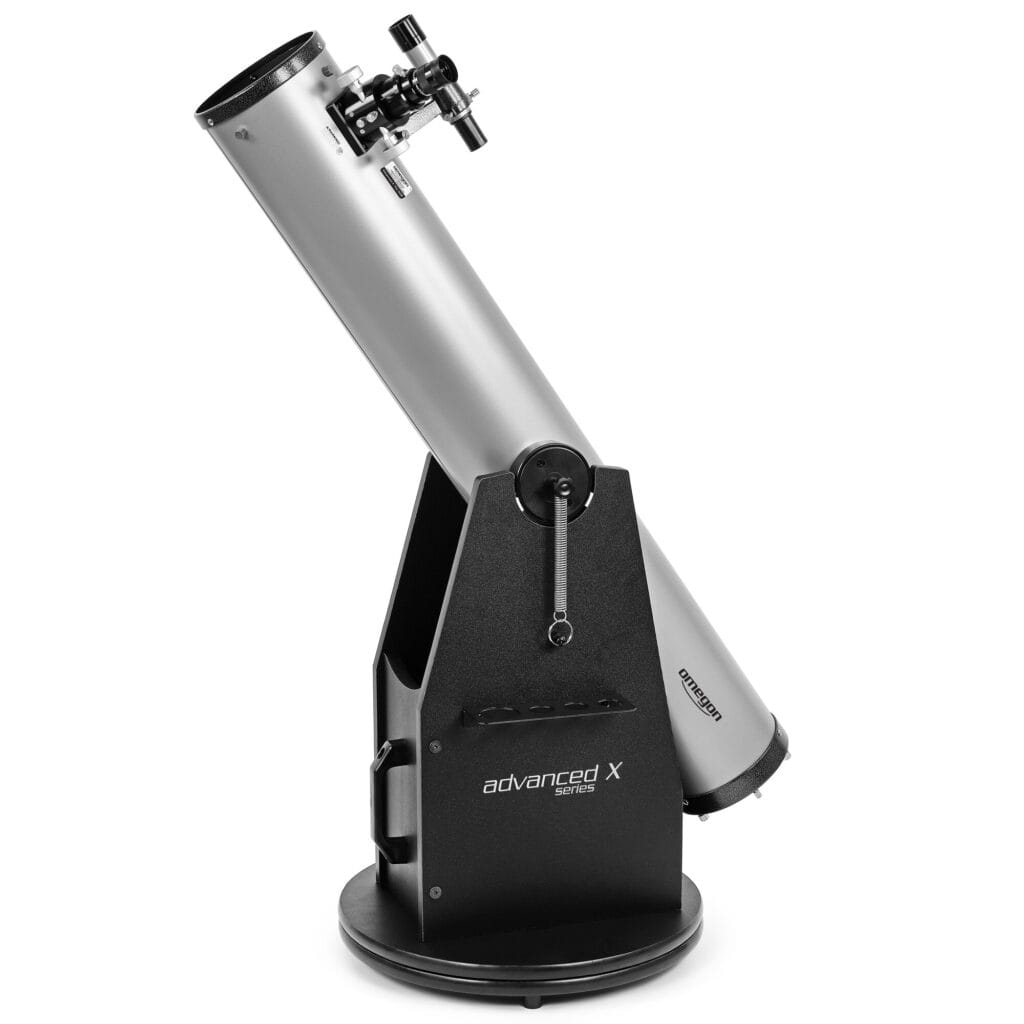
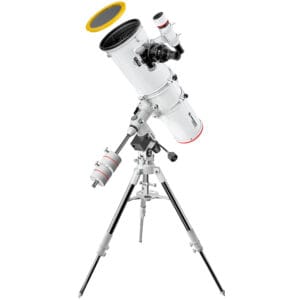
For children ages 14 and up, the largest Dobson telescope that fits within your budget is often the leap forward. Dobsons simply have the best ratio of price to aperture, and that very aperture, along with the longer focal length determines how much you actually see. More aperture means more light, more detail and a much stronger “wow moment.”.
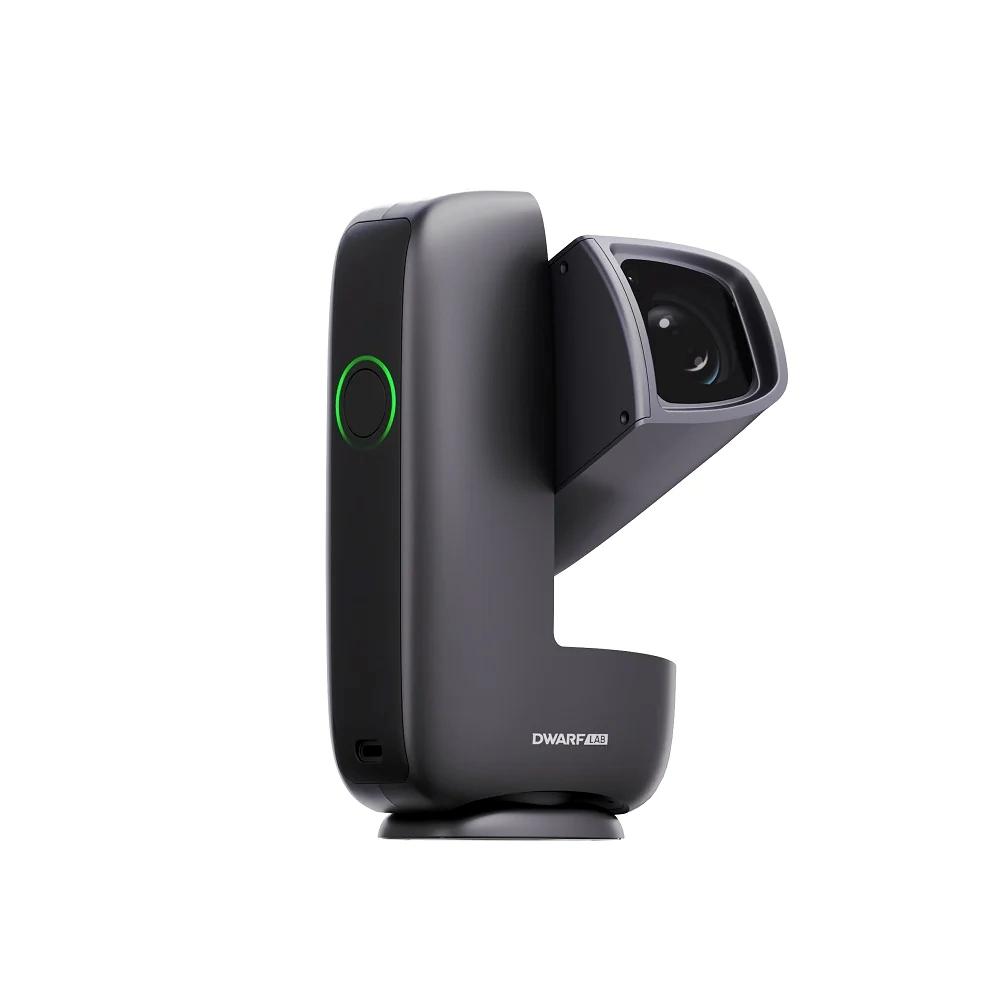
4. Something similar, yet completely different: a smart telescope (smart telescopes)
Smart telescopes are tremendously educational and fun for kids, because they fit exactly how young people learn today: quickly, visually on the smartphone and with instant results. Where a traditional telescope requires more patience, aiming and focusing, a smart scope takes most of that work off their hands. Kids go through fewer barriers (insofar as they are barriers) before they see something beautiful; the moment of success comes immediately.
In addition, smart telescopes work with live stacking: the device takes short photos and automatically stacks them into one bright result. As a result, galaxies appear in color, something you never see like this through an ordinary telescope. For children, this is enormously motivating. It feels like they are discovering a totally new world that they would otherwise not be able to see.
The screen also helps. Instead of one child looking through an eyepiece, multiple children can see the results on a smartphone or tablet at the same time. It makes stargazing social, playful and enormously educational at the same time. It lowers the frustration that often arises when a child just fails to get the object in focus. In short, a smart telescope gives young beginners exactly what they need, recognizable images, instant rewards and an experience that grows with their curiosity.
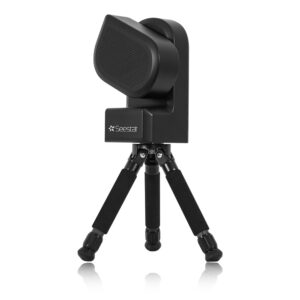
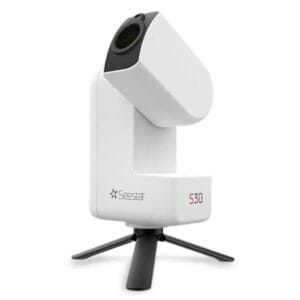
In this we advise whether the Seestar S30, or the brand new DWARF mini. The difference is in the price, the Seestar S30 is €499 and the Dwarf mini is €369. The difference is also in the capabilities. You can do more with the DWARF mini, for €130,- euro less.
| Aspect | DWARF MINI | Seestar S30 |
|---|---|---|
| Weight & size | Very small and light; fits in a jacket pocket | Compact; slightly larger and heavier than the DWARF |
| What you see with it | Clear images of smaller nebulae and star clusters; faster results | Wide stretches of sky; ideal for large objects and looking around |
| The difference | More detail on one object at a time | More overview at once |

How do you keep a child motivated?
Now that you know which telescopes for children are best suited for each situation, it is important to make sure that after that first enthusiastic evening, a child will actually keep looking. After all, children do not drop out because stargazing is “too difficult,” but because they have to wait too long for a moment of success. The sooner something succeeds, the more likely they are to keep enjoying it! This also applies to adults...
Therefore, always start with something guaranteed to work and easiest: the moon. After that, you can move on to Jupiter or Saturn! If you don't choose a smart telescope, but one of the telescopes above, always use the eyepiece with the lowest number on it. Then let a child aim and focus by himself; that sense of control makes it more fun. And make it small: one object per night is enough. That way every session remains a victory, not a quest without end.
It also helps to make it a shared moment, for example. Watching first with a parent or caregiver present is not a bad idea, and children like to tell what they see, even if it's just a speck. Maybe you can even explain what your child sees. We recommend using apps such as Stellarium, which make it easy to find objects. It is a digital night sky map ...
The goal is not to find everything perfectly the first time, but to make it fun and keep it fun. A cup of hot chocolate, a blanket and a bright moon often do more wonders than the telescope itself.
End each viewing night with one simple outlook:
“Next time we're going to look for something you haven't seen yet.”
That's all a child needs to want to go outside again!



 Dutch
Dutch English