
Stargazing for Beginners is step-by-step learning to discover the night sky, even without expensive equipment, with tips, examples and handy tools. After all, stargazing is not a mysterious art or anything like that - after all, we did it thousands of years ago (our ancestors were very good at it...) it is a voyage of discovery that anyone can make, with the right knowledge and curiosity. In this guide, we'll take you through the basics: what to see at night, what tools to use, and as a beginner, how to choose a telescope that's right for you. Join us on a journey through the universe, starting in your own backyard.
What do you actually see in the night sky?
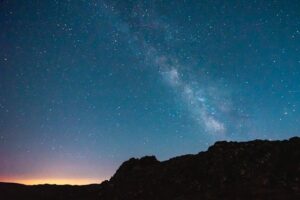
If you look up on a dark night, you will see countless points of light. Those stars are all in our Milky Way. What you see is light that was sometimes emitted hundreds, thousands or even millions of years ago. In other words, you are literally looking into the past.
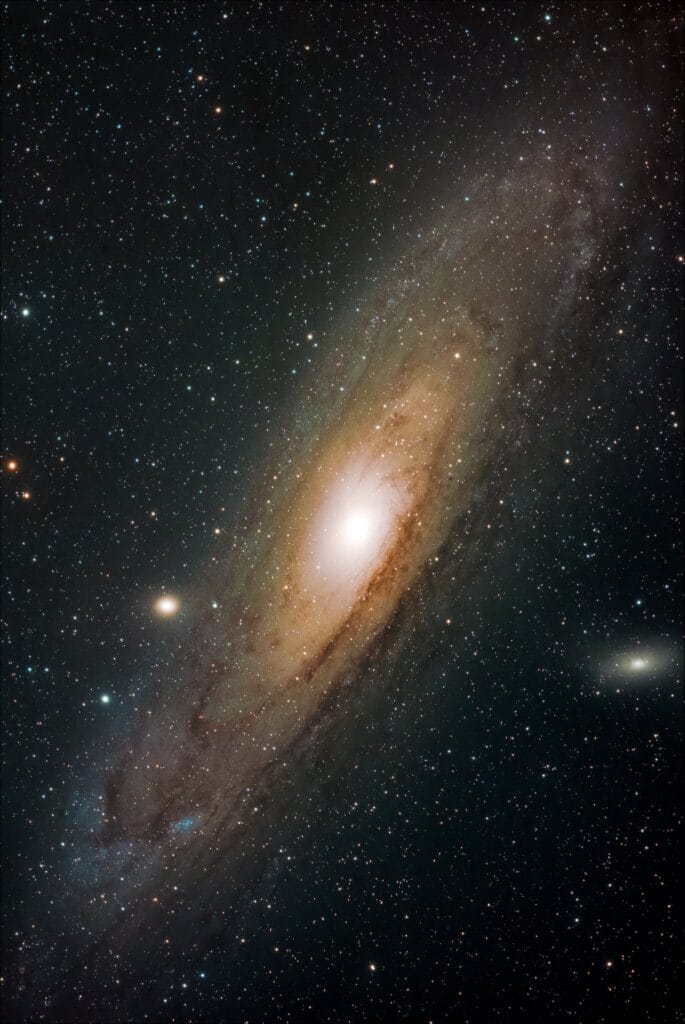
Some stars form recognizable patterns, which we call constellations. We see the lines only when we connect the stars in our minds; in reality, they often hover at enormous distances from each other.
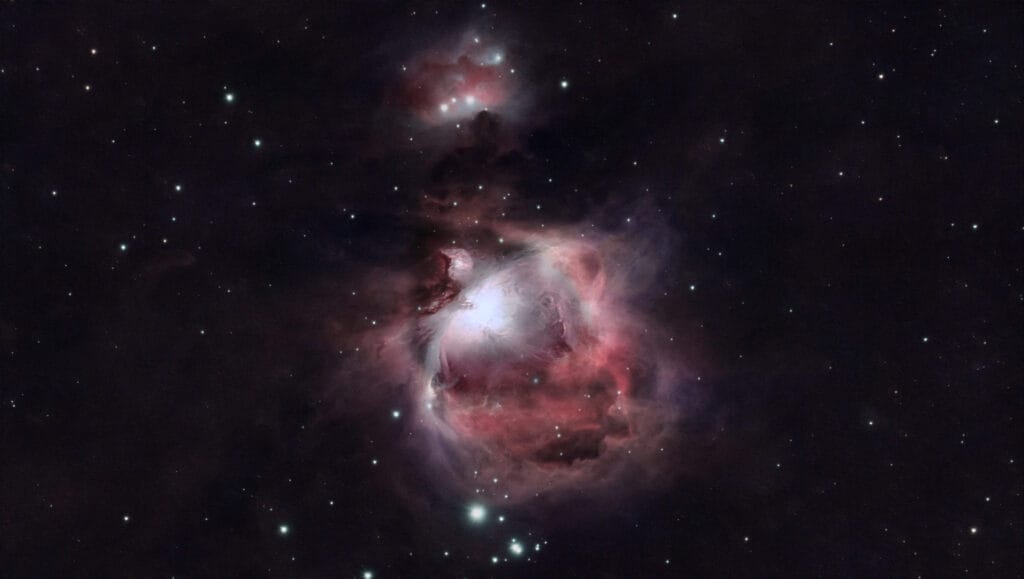
Sometimes you also see “hazy spots” ... those are nebulae or galaxies. One of the best known is the Orion Nebula, visible to the naked eye from dark locations.
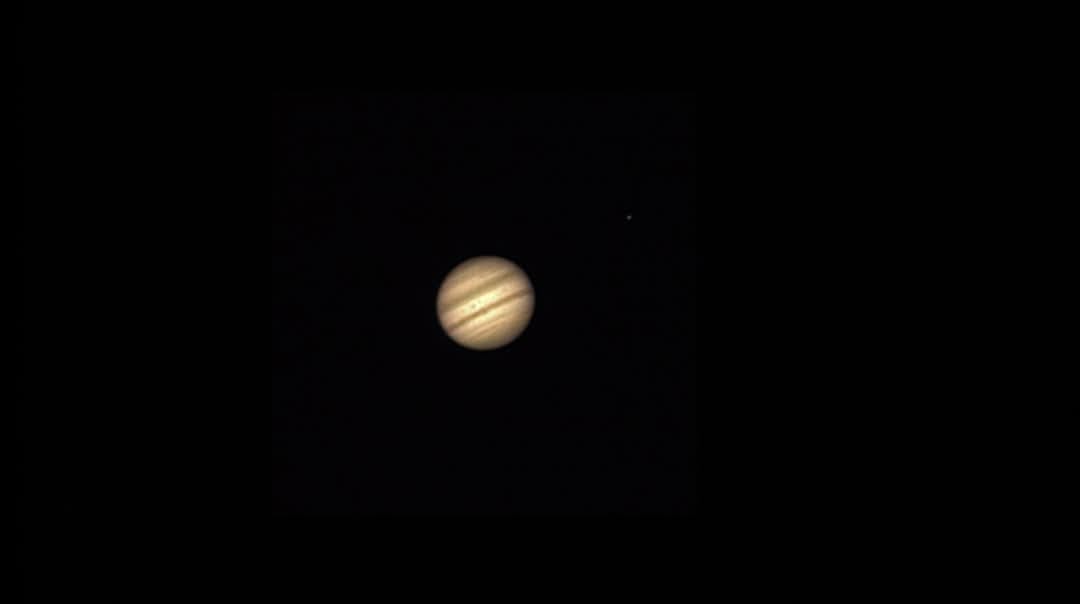
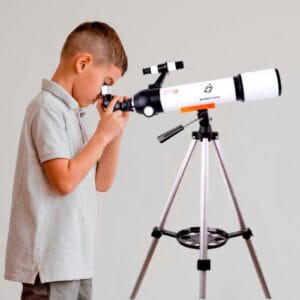
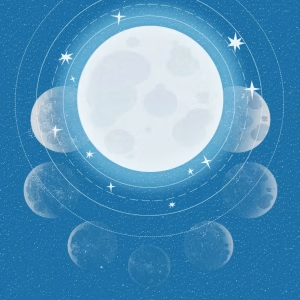
If you use a telescope, you can see more: craters on the Moon, the rings of Saturn, cloud bands on Jupiter, and bright nebulae or star clusters under good conditions.
How do you start stargazing for beginners?
1. Start with your eyes
You already have one powerful tool: your own eyes. Go to a dark place, let your eyes adjust to the dark (about 20 to 30 minutes) and quietly scan the sky. Find bright stars and try to recognize which constellations you see.
2. Use a star chart or app
Star charts, paper representations of the sky, are underappreciated tools. They show which stars are where in different months of the year.
There are also plenty of apps these days that can help you understand the night sky, such as Stellarium (free to use).
With the selection tool in the app, you can also track objects: on the left, you can see where the object has already passed, on the right, where it is going to pass.
3. Take small steps
Choose one part of the sky per night to explore. Get to know the stars of that part first, next time you can try another part. After a few months, you will find that you recognize patterns on your own, without a map or app.
Constellations, seasons and highs
Each time of year, different constellations belong in the sky. Some examples:
- Spring: Leo, Virgo, Libra
- Summer: Cassiopeia, Cepheus, Lyra
- Autumn: Andromeda, Pisces, Aquarius
- Winter: Orion, Gemini, Perseus
One favorite is Orion: in the “sword” of Orion you often see a small spot - that is the Orion Nebula. Even without a telescope you can see something faint in that area in good dark weather.
By actively changing which parts of the sky you view, you learn more quickly which constellations rise and set when.
Stargazing for beginners: tools that enrich your experience
Laser pointers in stargazing for beginners
A green laser pointer can be useful for showing others which constellation or object you are referring to while stargazing. Especially with children or in a group, this works much more clearly than “look slightly to the left of that bright star.” Still, it requires responsibility: never point the laser at people or airplanes, and don't use it near airports. For many beginners, a laser pointer is not a must, but it is a nice addition when observing together.
Star charts and apps
To find your way among all those stars, you can choose from classic star charts or modern apps. A paper star chart has the advantage that you don't need a screen light or battery, thus preserving your night vision. Apps, on the other hand, are interactive: you point your phone at the sky and instantly see which stars and planets you are looking at. For beginners, the combination works ideally, start with an app to learn to recognize patterns and use a map to continue your observation quietly and without distraction.
Light pollution and the Bortle scale
Many people think it's better not to start stargazing in the city because you won't see the planets well. This is not true, because light pollution does not affect planets. After all, planets are very close to us and are relatively ‘small’ compared to galaxies or gas clouds, for example. With DSOs (deep sky objects, i.e. everything except planets, the moon and the sun), street lighting or even light from the moon plays a bigger role. For serious observing of DSOs, a Bortle class between 1 and 5 is ideal, the lower the darker and better.
Starting with a telescope: what do you look for?
Now that you have an idea of what you can see, you may want to buy a telescope. But what do you look for? We firmly believe that you should just start, as with all hobbies/new things.
Most important things to know
- Aperture (diameter) - The larger the aperture (mm), the more light you catch so more visible details.
- Focal length/ratio - determines magnification options.
- Frame (support) - stability is crucial; in vibrations you see little.
- Ease of use vs automation - certain telescopes aim themselves automatically via apps. According to Telescoop.co.uk, these are ideal models for beginners.
At Telescoop.co.uk you can look at the “Telescopes for Beginners” selection guide or the article “What is a good telescope for beginners?” for this purpose.”
What to expect.
With a good beginner's telescope, you see:
- Craters and mountains on the Moon
- The rings of Saturn
- The moons of Jupiter
- Bright nebulae and star clusters
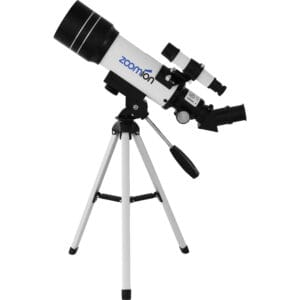
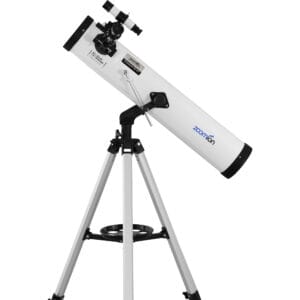
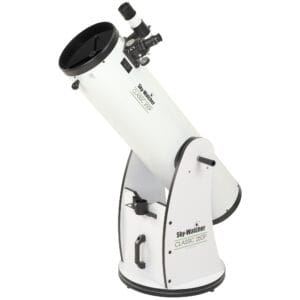
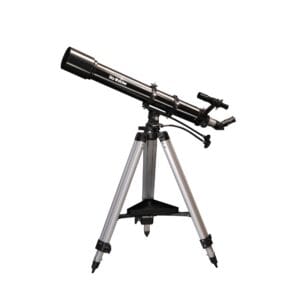
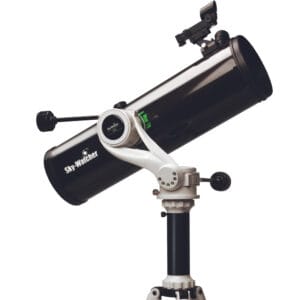
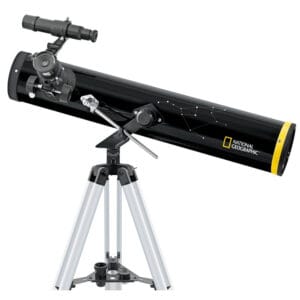
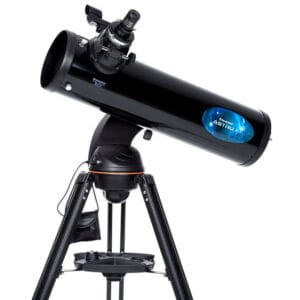
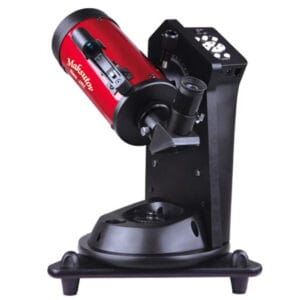
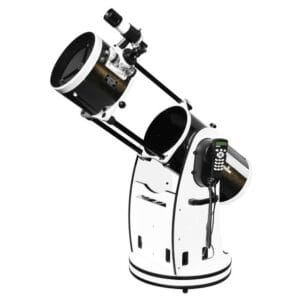
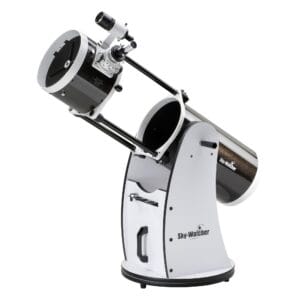
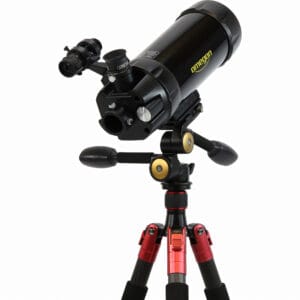
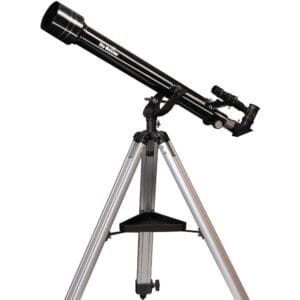
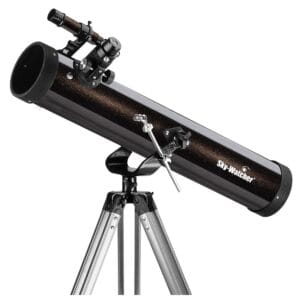
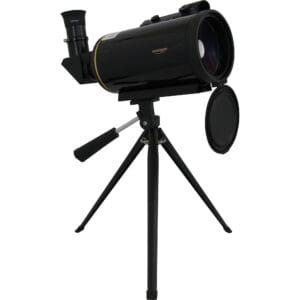
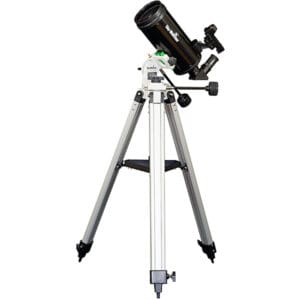
We recommend below some good beginner telescopes that you can start with independently (or just with the help of an app).
Realistically, you see no color explosions as in photographs - that is due to lenses, long exposures and processing.
Tips for magnification
First use low magnifications (lower power eyepieces). In good conditions, you can gradually move to higher magnifications later. In weak air (“seeing”), too high magnifications often backfire.
Getting practical: your first stargazing night
- Choose a dark place outside the city, or at least outside the direct beam of light from lamps.
- Let your eyes get used of 20-30 minutes without bright light.
- Use an app or map To pick an object - for example, Orion or the moon.
- Aim your gaze (or telescope) carefully and let the sky “come into view.”
- Play with focus and magnification - Start smoothly and build up to possible detail, start with a 25mm eyepiece for example.
- Be patient - some details appear only under stable atmosphere.
Conclusion: your next step in stargazing and our recommendations
The first time you consciously look at the sky often feels magical: a glimpse of Saturn's rings or Jupiter's moons can be enough to change the way you experience your nights. With just your eyes and a simple star chart, you can get surprisingly far, but sooner or later you'll want to see more detail.
That's when a telescope makes a difference. Not because you suddenly expect Hubble quality, but because a good beginner's telescope gives you that first real wow experience: craters on the moon glowing razor sharp, or the idea that you're traveling through time as you peer at the Orion Nebula.
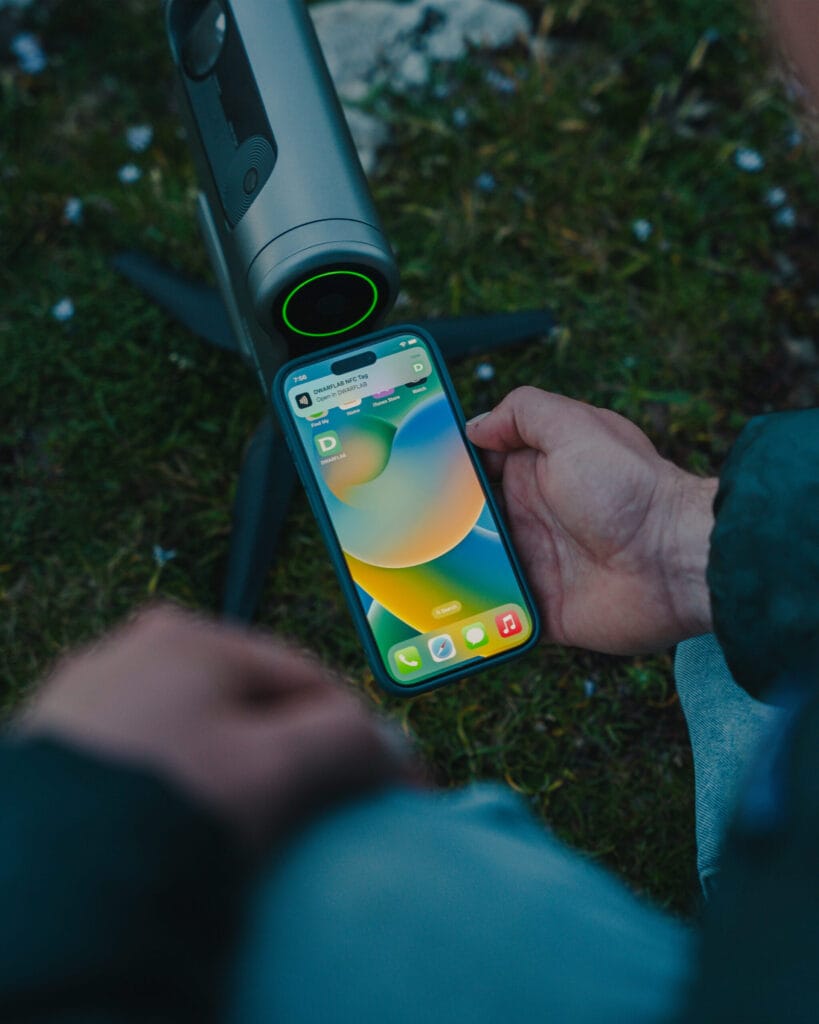
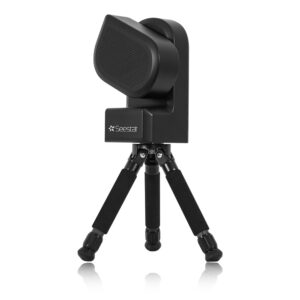
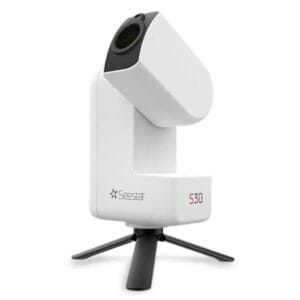
For many beginners, a compact refractor ideal: affordable, comes complete and suitable for moon and planets. Those who want to go a little deeper right away can look at a smart telescope such as the Seestar S30, which even helps you find and photograph objects.
Stargazing for beginners is not about the most expensive equipment, but about getting off to the right start. Choose a telescope that suits your way of seeing, and build from there. We have listed the most important models and a clear selection guide for beginners ready, so you don't get lost in the offerings.
Start small, look up, and discover more step by step. And when you find you're ready for that next look at the universe, we'll get the right telescope to you within 48 hours.


 Dutch
Dutch English