
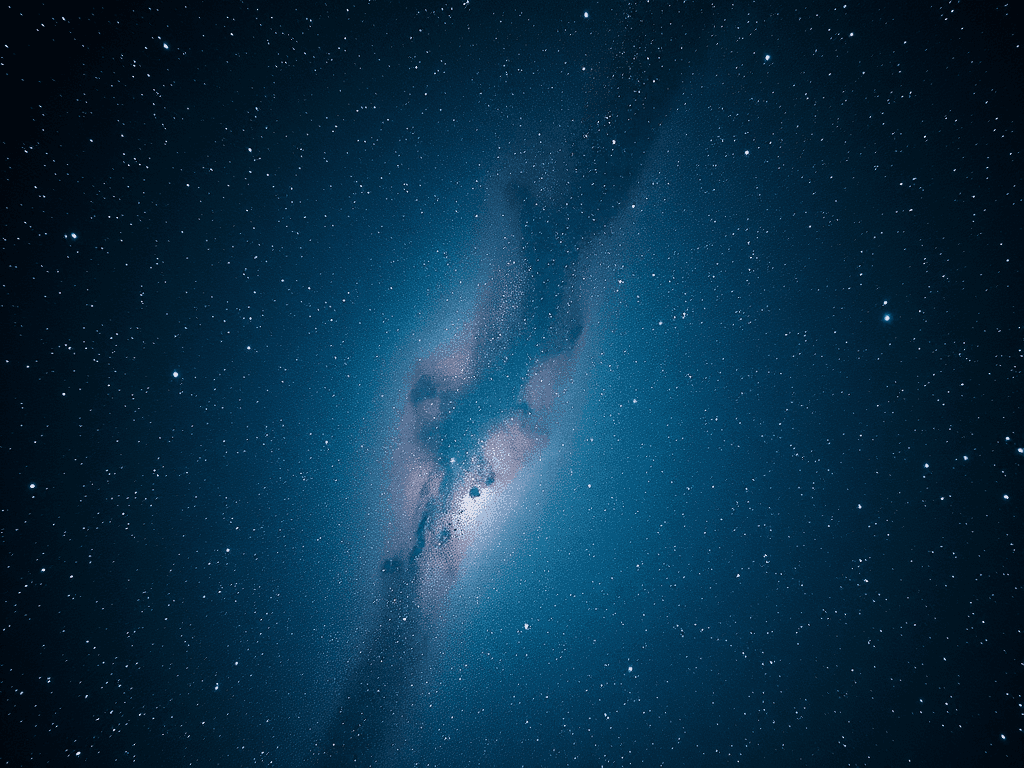
We have another star guide for readers. The universe is a fascinating dance of stars, planets and galaxies, constantly moving and always surprising. Each season offers unique opportunities for observing the night sky. Whether you are a novice stargazer or a seasoned astronomer, this guide will give you practical tips to make the most of what each season has to offer.
Winter: looking deep into the cosmos
Winter often brings clear, dark nights - ideal for observing deep-sky objects such as nebulae and galaxies. The cold, dry weather often makes for crystal clear skies. A highlight during these months is the Orion Nebula, a brilliant cloud of gas where new stars are forming.
- Preparation: Dress warmly with thermal clothing and bring hot drinks to last longer. Your telescope also needs time to get used to the cold. Leave it outside for a while before you start observing for optimal sharpness.
- Tip: A telescope with a wide viewing angle is perfect for revealing the details of star clusters and nebulae. Use a red flashlight to maintain your night vision; this type of light disturbs your eyes less than white light.
Spring: the planet show
During spring evenings, you can often enjoy a great show of planets such as Jupiter and Saturn. With milder temperatures, it becomes more comfortable to be outside longer.
- Observation: Jupiter and Saturn are well visible in spring, especially if you have a clear night without much atmospheric disturbance. A telescope with decent magnification is ideal for observing Saturn's rings and Jupiter's moons.
- Additional Tip: Plan your sessions using a stargazing app that displays the positions of planets. Filters can dampen the bright light of the planets, allowing you to see even more detail.
Summer: The splendor of the Milky Way
Although summer nights are short, this season offers a breathtaking opportunity to admire the Milky Way in all its glory, especially if you are far from city lights. Summer is also the season for camping sessions - the perfect opportunity to be away from light pollution.
- Astrophotography: Summer is ideal for astrophotography. Find a stable spot for your equipment and be sure to bring plenty of batteries and memory cards.
- Meteor shower: Around mid-August, you can watch the Perseid meteor shower, an impressive natural phenomenon not to be missed.
Autumn: Heavenly Events
Autumn offers an ideal balance of longer, darker nights and often clear skies. This season is perfect for observing objects such as the Andromeda Galaxy and other distant galaxies.
- The depths: A telescope with a larger aperture can help you see deeper and fainter objects. Autumn nights are perfect for spotting fainter galaxies thanks to the often lower humidity.
- Meteor swarms: At the end of December, mark the Geminids-meteor shower on your calendar for a spectacular show of shooting stars.
Tips against Light Pollution
Regardless of the season, it is essential to find a spot with minimal light pollution for the best stargazing experience. Even a little city light can seriously hinder your view. But this is also not the end of the world.... ideally choose remote locations or use filters that can reduce light pollution.
For a successful stargazing experience, good preparation is important. Bring the right accessories, such as a sturdy carrying case and possibly a camera if you also want to do astrophotography. With a little patience and the right equipment, you can fully enjoy the beauty of the universe.
Every night brings its own wonders. Grab your telescope And start your cosmic adventure - the stars are waiting for you!

 Dutch
Dutch English